
Preparation and planning for drying off
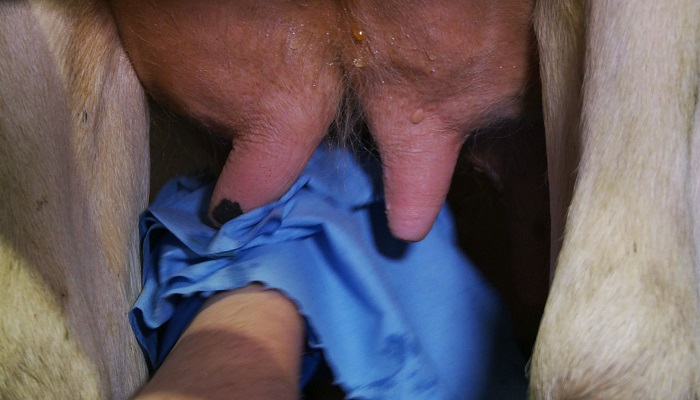
As a new month begins, the start of drying off is only around the corner for many spring-calving dairy herds. In this article, Teagasc Dairy Specialist, Mark Treacy reminds farmers that now is the ideal time to start preparing for drying off.
The dry cow period is important for allowing a rest period for the cow’s mammary system, ensuring it is ready for another productive season next year. It is also a useful period to tackle SCC issues, with the opportunity for the targeted use of longer acting dry cow antibiotics to clear any under lying infections.
Now is the ideal time to start preparing for drying off, reviewing available records and gathering new information.
Use the available data
For herds that have a history of milk recording, the CellCheck Report – available through their ICBF account – provides valuable information on how successful previous dry off periods have been.
During the dry period, the aim is to cure infected cows, while also preventing infection of low cell count cows.
The relevant information will be found at the bottom of the second page. The new infection rate shown represents the proportion of cows who had an SCC less than 200,000 at their last recording before drying off and subsequently showed an SCC of greater than 200,000 at their first recording of the new lactation.
Where more than 10% of the herd fall into this category, there is a need to review last year’s drying off process, management of winter accommodation and cleanliness of calving facilities to identify how cows were becoming infected.
The Cure Rate figure will show how effective dry cow treatment and management was at curing infections in cows which showed elevated SCC prior to dry off. Where the cure rate shown is less than 85%, milk recording records should be looked at to identify chronic cows which have shown elevated SCC for a prolonged period of time. Discuss with your vet the most appropriate action for these animals, as well as which dry cow product to use this year.
Culture and sensitivity testing
The best way to establish the most appropriate antibiotic to use is to have culture and sensitivity testing carried out on a few milk samples. This will identify which bacteria are present, and which antibiotics will be active against these bacteria.
Hygiene is vital when taking samples as samples contaminated with faecal material will be unsuitable for culturing. Take samples from a few animals which are known to have elevated SCC across different ages. If available, frozen samples taken from problem cows during the year can also be included.
Milk recording
Milk recording should be arranged to ensure up to date SCC information is available prior to the start of drying off, allowing an informed decision to be made as to which cows require antibiotic treatment.
Results should be no more than 30 days old at dry off. Therefore, for herds dried off over a prolonged period, a few recordings may need to be scheduled to keep available information up to date. In conjunction with recent recordings, review recordings from earlier in the year, as well as treatment records to help guide the decision-making process.
For more tips and advice read: Dairy Management Notes – October 2026