
Reducing the impact of disease on the performance of bought-in animals
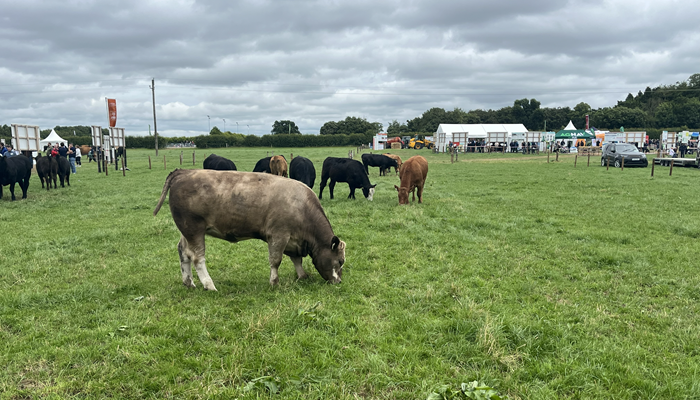
Provisional analysis from the BeefQuest research project was presented to farmers attending the BEEF2026 Open Day, today, July 1 at Teagasc Grange.
Last year, 87% of steers and heifers were sold from their farm of origin, suggesting that most cattle experienced at least one movement to another farm during their lifetime.
Nationally, and based off Department of Agriculture, Food and the Marine (DAFM) AIMS data, approximately 1.5 million beef-sired cattle aged 6-30 months were traded in 2023. Of these, animals aged 6-12 months accounted for the largest share of farm-to-farm movements at 38%, followed by animals aged 12–18 months at 32%.
Dr. Paul Smith tells us more about the Beef finishing demonstration at BEEF2026 in the below video:
Early results from the DAFM funded BeefQuest research project suggest limiting the performance knock backs associated with the transport and movement of cattle can contribute to lowering the national finishing age. Provisional analysis through the project has shown that each movement an animal had increased finishing age by 15.6 days for suckler cattle, 21.1 days for beef × dairy cattle and 19.5 days for dairy × dairy cattle.
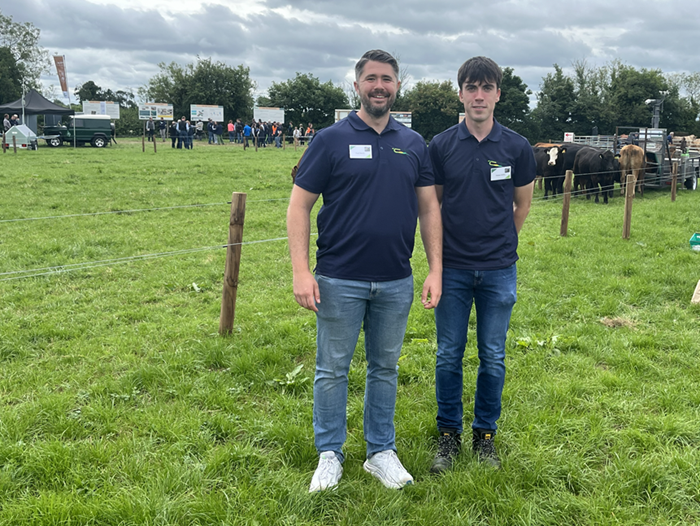
Dr. Paul Smith, lead researcher on the project explained: “If the average animal, which moves across 2.6 locations, maintained the same level of performance as cattle finished within an integrated calf-to-beef system, their finishing age could be reduced by approximately 50 days.”
As to the potential reasons for this dip in performance, he explained: “Not only do animals have to adapt to new diets, housing or grazing, they also are exposed to unfamiliar cattle.
“Purchased cattle are a particularly high-risk group within beef systems, as they often arrive with unknown health histories, variable immune status and differing prior exposure to infectious agents, all of which can be further exacerbated by stress to the animal associated with transport.
“These factors contribute to production-limiting conditions, particularly bovine respiratory disease, which remains a significant post-arrival health challenge. As a result, having a dedicated health and management plan for bought-in cattle, drawn up alongside your vet, is crucial.” Dr. Smith explained.
For more on this research, read: Health management of purchased weanlings and store cattle