
Strategic investment is an essential part of any business, writes Teagasc Dairy Specialist, Mark Treacy, and dairy Farming is no different.
As discussed last week, dairy profits are forecast to be strong in 2025, with surplus cash likely to be available on many dairy farms. A substantial increase in depreciation figures were observed in Profit Monitors completed following the strong financial year of 2022, indicating the willingness of dairy farmers to reinvest in their businesses, however care needs to be taken that these investments provide a good return to the business and are not simply a financial drain.
While the temptation is there to do as much investment as possible out of cashflow, often it is more sensible to borrow for longer term investments.
At a minimum, a cash reserve needs to be put in place to ensure the business does not come under cashflow pressures in more challenging financial years. Consider that a financial reserve made up of savings and short-term credit availability of between €300 and €500 per cow is required just to carry a spring calving dairy farm through the winter/spring period. An additional reserve beyond this should be discussed with your accountant to enhance the resilience of your business.
If not already completed, tax accounts for last year need to be completed immediately to be fully aware of the tax liabilities of the farm, indeed many farms will already be pulling together preliminary accounts for 2025 to have an even clearer picture of their financial situation.
Investments to prioritise
So, where the decision is taken to invest in the farm, what investments should be prioritised? As discussed last week, investments in soil fertility, reseeding and grazing infrastructure are among the best investments you can make. Grass utilisation is a key driver of profitability in our dairy systems and therefore anything which increases the potential to utilise grass on the farm is likely to have a good payback.
More from Teagasc Daily: Dairy Advice: Spending wisely in 2025
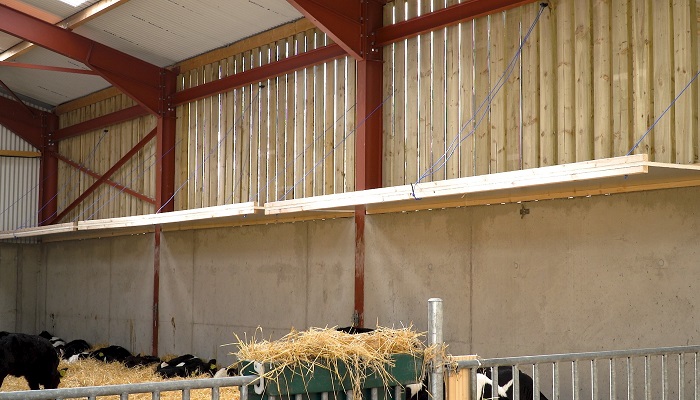
Facilities development should be considered. Are there areas of the farmyard eating up a lot of your time, or compromising animal performance? Improvements in areas such as milking facilities, cubicles, feed space and calf housing may not have an obvious financial return, however they can have a very positive impact on labour efficiency and animal welfare on the farm, improving work-life balance, making the farm more attractive to outside labour, and even improving farm performance.
Additional slurry storage beyond the minimum legal requirements of the farm is another sensible investment, easing the stress of trying to deal with slurry in a difficult spring, but also allowing the slurry to be used where it is most beneficial rather than being applied simply to alleviate pressure on storage facilities. Where soil phosphorus (P) indexes are high on a farm, the ability to apply slurry where it is most needed is even more important as the farm is likely to have a very limited chemical fertiliser P allowance.
Finally, consideration should be given to how investments in automation could benefit your farm. Would an automated gap handle release save you time bringing in the cows when they are a significant distance from the parlour…indeed would the cows benefit from being able to make their own way in at their own pace? Investments in automation of milking procedures, heat detection and animal drafting can result in large labour savings, while automatic calf feeders can reduce labour requirements in the calf house at a very busy time of year.
More from Teagasc Daily: Farmers urged to test silage quality
More from Teagasc Daily: Dairy cull cows – sale strategy considerations