

Edited By
Ciaran Lynch
Sheep Specialist
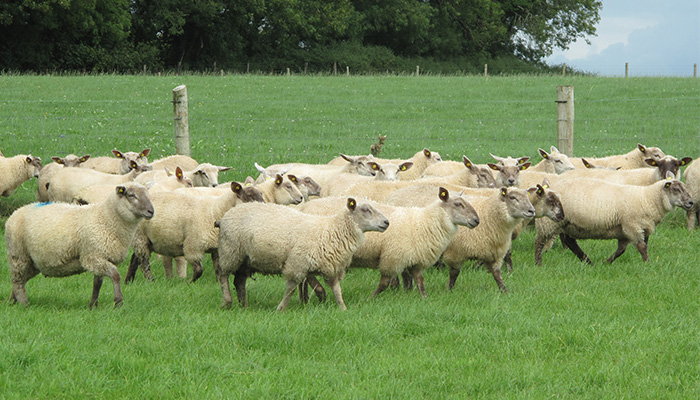
Focused on maintaining flock performance, dealing with grass shortages, preparing for the breeding season and store lamb options, Teagasc Sheep Specialist, Ciaran Lynch shares key management notes for the month of September.
Grassland
September’s grassland management approach will vary considerably depending on the level of grass growth on individual farms. While some farms have seen growth return to more normal levels, others, particularly those badly affected by drought, will face a very different autumn grassland management plan.
On farms where grass growth has returned to normal, the focus should now be on building grass supplies for the autumn. A useful target is to have approximately 20 days grazing ahead at the start of September, increasing to 30 days by the end of the month.
The grazing rotation should also take account of the farm’s autumn closing plan, with fields grazed in the order in which they are intended to be closed. This is particularly important for fields that will be closed earliest for grazing next spring. Early lambing flocks should begin setting aside some grazing ground from September onwards.
Fertiliser applications
All chemical nitrogen (N) and phosphorus (P) fertiliser applications must be completed by September 15, while slurry applications should be completed by October 1. Where conditions allow, earlier applications will generally give a better response.

Supplementation
On farms where drought has significantly reduced grass supplies, supplementation will need to continue – even after growth rates improve – to allow covers to rebuild. Grazing too soon can remove newly established regrowth. This will cause a renewed grass shortage following the initial improvement, leading to the reintroduction of supplementation.
Where possible, delay grazing until there is sufficient grass available to sustain the flock through the mating period. Completing a simple grass budget for the ewe flock will help guide this decision.
Where grass supplies are limited, priority should be given to thin ewes, replacement ewe lambs and the breeding flock, while finishing lambs can be maintained on a more intensive concentrate-based system where appropriate. Contact your advisor for more farm specific tailored advice for those in badly affected areas.
Complete a fodder budget
It’s a worthwhile exercise completing a fodder budget. For those in drought-impacted areas, a fodder budget is an essential task and needs to be reassessed on an ongoing basis. Where there are shortfalls, discuss potential options with you Teagasc advisor, early action to address this is important.
Managing the ewe flock
Over the coming weeks, re-check the breeding flock to ensure they are suitable for breeding. Reassess the flock and identify and remove culls early andseparate out thin ewes. Review both the quantity and quality of forage available,, and allocate the best available feed to thinner ewes in the breeding flock.
Early intervention is important: a ewe that is BCS 2.5 several weeks from mating has a much greater nutritional requirement than a ewe that has already reached BCS 3.0, for example.
For those farms currently supplementing with silage or hay, they may need to consider some level of concentrate supplementation to improve ewe body condition and, in some cases, maintain ewe body condition depending on forage quality. Discuss the feeding options with your local advisor and where possible send forage samples for quality analysis.
Keep a check on the rams over the coming months
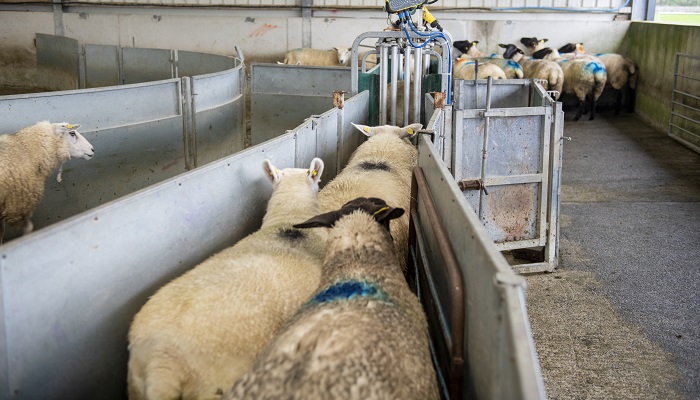
With the breeding season around the corner, it’s important the ram team for the season gets some attention. Bring existing rams in for a complete check-up before the breeding season kicks off.
This is an important consideration, as it allows for timely interventions where necessary, giving rams the opportunity to improve condition and allowing sufficient time for any injuries, sore feet or other issues to heal.
Where needed, aim to purchase new rams early in the sale season. Don’t leave it to the last minute. Buying early means there will be greater choice. It also allows sufficient time for rams to acclimatise to their new environment, other rams and the feeding regime.
Rams can lose up to 15% body weight during the mating season. Assess them in time and plan to build their body condition up to 3.5-4.0 at turnout. Pay particular attention to any signs of ill health in your rams and deal with any issues such as lameness promptly. Any infection that causes even a slight temperature rise (as little as half a degree) can render a ram temporarily infertile.
Store lamb options
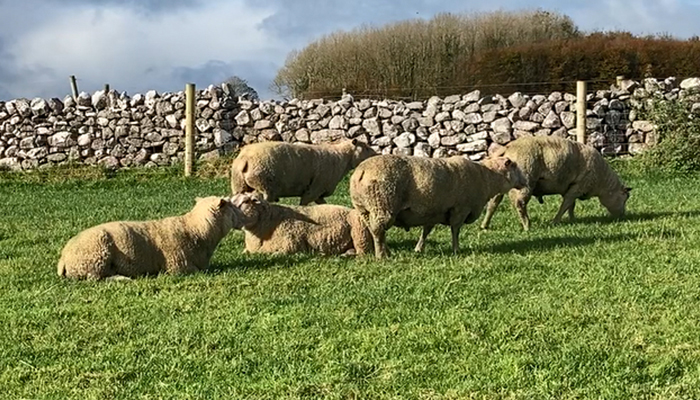
The impact of drought on grass and forage supply in the east of the country has implications for the store lamb market. Some farms are now assessing their options for the remaining lambs on the farm.
The decision to sell lambs as stores or finish them through the autumn and winter needs careful consideration. The Teagasc Store Lamb Calculator is a useful tool for both homebred and purchased lambs, allowing farmers to input factors such as lamb weight, purchase price and concentrate cost to estimate finishing costs, likely finish date and potential margin. Weighing the lambs and having a realistic assessment of grass availability, finishing period and feed costs are important in deciding which option offers the best return this year.
Access the Teagasc Store Lamb Calculator here.
Blowfly strike
Keep an eye out for cases of blowfly strike as we move into autumn. While sheep are at greatest risk during the summer months, cases can still occur during the autumn, particularly where conditions remain favourable for blowfly activity. Keep in mind the period of cover provided by products used to prevent blowfly strike. The protection provided even by long-acting products applied earlier in the season may be coming to an end, so check the expected duration of cover and assess whether further treatment is required.
Upcoming events
The National Ploughing Championships takes place from September 15-17 2026 in Screggan, Tullamore, Co. Offaly. Visit us at the Teagasc stand at Stand 137, Row 7, Block 3, where members of the Teagasc sheep team will be on hand to discuss your queries.
For more from Teagasc Sheep, visit here.
OviCast Podcast
Presented by Ciaran Lynch, the Teagasc OviCast podcast brings you the latest advice, insights and technical updates for the sheep industry. Listen to episodes below: