

Edited By
David Argue
Cattle Specialist
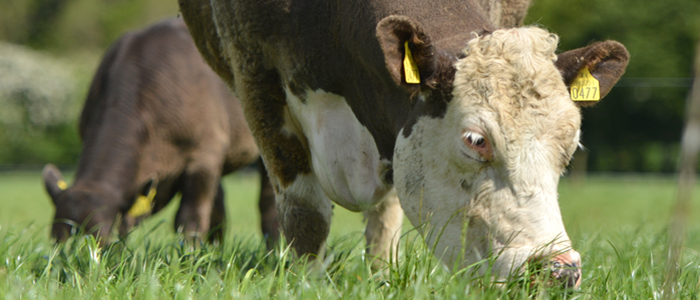
Welcome to the Teagasc Beef Management Notes for July. In this edition, Teagasc Cattle Specialist, David Argue focuses on summer dosing and the correct use of faecal egg sampling, monitoring cattle performance and managing grass, and shares breeding tips to tighten up the calving spread on suckler farms next spring.
Making informed dosing decisions
July is when many farmers with spring-born calves consider dosing. When present, stomach worms in calves will result in ill thrift, dull coat and reduced immunity.
Dairy-beef calves will be more susceptible to stomach worms earlier in the grazing season than suckler calves. This risk is heightened if calves had been turned out onto high-risk pasture, such as permanent calf paddocks. Dairy-bred calves also have a higher intake of grass from an earlier age and, often, don’t graze with older animals. Therefore, a dosing programme may be required earlier in the grazing season.
Suckler cows have greater immunity to worms, diluting the overall burden. Spring-born suckler calves will be more at risk later in the grazing season, as their grass intake increases.
Faecal egg counts
It is best practice to carry out a faecal egg count (FEC) before dosing. This minimises the overuse of dosing products and reduces the risk of anthelmintic resistance developing for specific dosing products on farm.
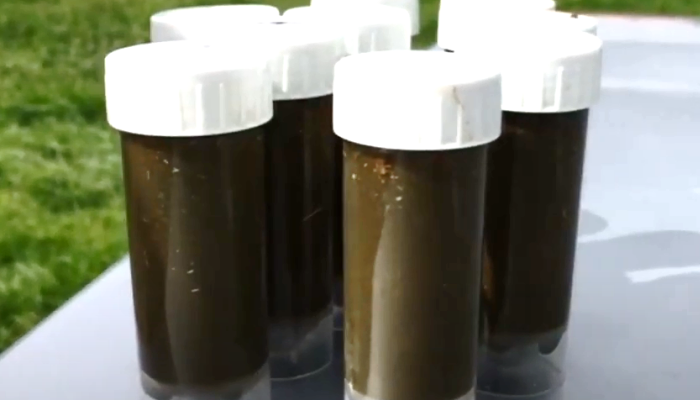
Samples should be taken fresh (not from the ground) and 10 calves from the group is enough. The sample can be pooled, making it cheaper. Once the egg count is above 200 eggs per gram, dosing is required. The same test can also be used after dosing to ensure the product used is still effective on farm. Your local vet can send samples to the lab and results are back in just a few days.
Lungworm
Lungworm or ‘hoose’ is a parasitic infection of the respiratory tract in cattle and can be associated with a harsh, persistent cough. Untreated lungworm infection can lead to pneumonia. Lungworm is very common and can be an issue for younger cattle in their first summer grazing.
The most reliable way for farmers to detect a lungworm issue is through close observation of animals and listening out for a harsh, short cough when animals are being moved or gathered.
Lungworm infections can rise after a period of dry weather. Dung pats can dry and encase larvae, stalling their progress. When rain comes, these emerge all at once and infection levels rise in calves.
After their first grazing season, cattle usually have some level of exposure to lungworm and therefore are likely to develop sufficient immunity to the disease in the second grazing season. This is not always the case, so regular monitoring is required to ensure no issue arises.
Farmers need to be aware that FEC sampling is not a reliable test for detecting lungworm. Unlike stomach worms, lungworm eggs are produced in the lungs, coughed up and swallowed before hatching in the intestine. By the time larvae are detected in the dung sample, lung damage may already have occurred.
Weighing and monitoring performance
Weighing cattle is an important management tool on all beef farms. A minimum of three weight recordings should be carried annually – turnout, mid-season and housing.
Weighing animals at these different stages will provide an accurate indicator of animal performance and allow the farmer act in good time if animals are not achieving desired daily liveweight gains.
From this, decisions can be made around the introduction of concentrates and when to target animals for finishing, improving grass quality, extra feed supplementation to younger animals, dosing and general animal health.
Grassland management
For drystock farms, July is an important month for maintaining and correcting grassland management.
Following challenging weather conditions, June proved to be a tricky month to maintain grass supply and quality. The focus should now be on managing grass quality, surplus grass and preparing for autumn grazing.
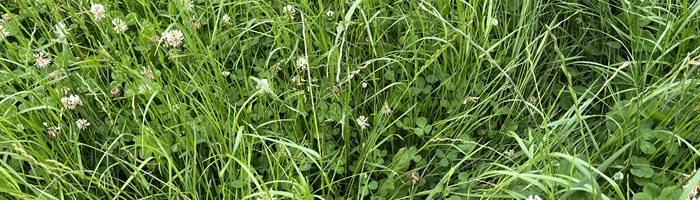
An example of a stemmy sward, measuring 2,050kg DM/ha on July 1.
Many paddocks will have heavy, stemmy covers at this time of year and often the only way to get quality back into the sward is to remove these paddocks as surplus bales, tight grazing or topping the paddocks.
Young cattle that are expected to grow and preform should have priority to good quality leafy grass to maximise performance, whereas autumn-calving suckler cows in good body condition score (BCS) can be restricted slightly and forced to graze out heavier covers.
Managing grass quality now will ensure a supply of good quality grass in the autumn.
Should I pull the bull this month?
The breeding season is almost finished in many spring-calving suckler herds and farmers are now thinking about when to remove the stock bull. The target breeding season on most farms is 12-weeks, with some herds targeting a 9-week breeding season as a means of reducing the calving spread next spring.
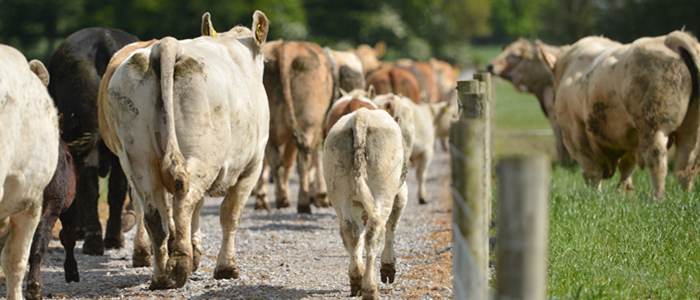
Of course, a 9-week breeding season is only possible following a compact calving season. If breeding starts on May 1 and you are aiming for a 9-week breeding season, the bull should be pulled on July 3. In the case of a 12-week breeding season, the bull should be removed on July 24.
Based on a gestation length of 286 days, pulling the bull on July 3 would mean no calves will be born next spring after the April 15, whereas cows that are let run until July 24 could be calving up until May 6.
Table 1 below shows results from a Teagasc study carried out in 2021, comparing cow and calf performance for cows calving at different stages in the calving period and the effect in which it had on the calf weight at weaning time.
Table 1: A comparison between calving date and weaning efficiency
| Cow calving date | February 1 | March 1 | April 1 | May 1 |
| Cow | ||||
| Months in milk | 8 | 7 | 6 | 5 |
| Months Day | 4 | 5 | 6 | 7 |
| Recovery period (weeks) before breeding | 12 | 8 | 4 | 0 |
| Calf | ||||
| Weaning weight (kg) | 304 | 270 | 238 | 205 |
| Efficiency (680 kg cow) | 45% | 40% | 35% | 30% |
The table above shows a 100 kg liveweight difference between the first and last calf born. The cow that calved on February 1 had a weaning efficiency of 45%, whereas the cow that calved at the end of the calving period had a weaning efficiency of only 30%. This highlights that cows calving late in the season with lighter weanling weights are highly inefficient.
Research update
Peter Doyle, Cliona Ryan, Peter Bennett, Sarah Armstrong, Paul Crosson and Mark McGee, Teagasc Grange examine the role of the Commercial Beef Value (CBV), a genetic tool, in suckler systems.
Commercial Beef Value (CBV) is a tool that quantifies the genetic potential of cattle destined for beef production (non-breeding animals). It comprises of traits that are of economic importance to improve carcass value and decrease feed costs.
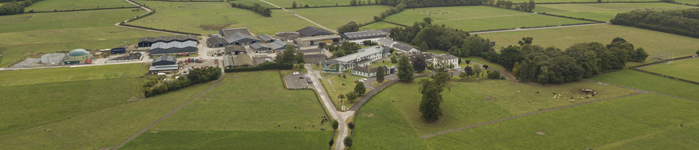
To validate the accuracy of the CBV, a dataset consisting of 234 suckler-bred steers and heifers (Charolais-, Limousin- and Aberdeen Angus-, sired) from the Teagasc Derrypatrick Herd at Teagasc Grange was used.
Animals were slaughtered at approximately 19 months of age (regardless of fat cover) between 2022 and 2025. Overall analysis showed that each €1 increase in CBV increased carcass value by €1.60 per head (assuming a carcass base price of €6.50/kg carcass).
Moving from 1-star to 5-star CBV animals increased individual carcass weight (+57 kg), conformation (+2.2, scale 1-15) and value (+ €407).
Upcoming events
DairyBeef 500 National Farm Walk
A national farm walk will take place on Thursday, July 9 at 6:30pm on DairyBeef 500 participants, Olivia and Keith Lowry at their progressive calf-to-beef farm in Cappadavock, near Tuam, Co. Galway. Eircode: H54 HW77.
Topics on the evening include:
- Dairy calf-to-beef enterprise
- Physical and financial performance
- Parasite control in calves
- Maximising gain from grass
- Post reseeding demonstration
Further details on the DairyBeef 500 National Farm Walk are available here.
Tipperary Dairy Calf to Beef Demonstration Farm Open Day
On Wednesday, July 22 at 11:00am, a practical open day focused on Labour Efficient Dairy Beef systems will take place at the Tipperary Dairy Calf to Beef Demonstration Farm, Ballyvadin, Fethard, Co Tipperary.
This event will showcase the latest research and best practices to help farmers improve efficiency and sustainability on farm.
Further details on the Tipperary Dairy Calf to Beef Demonstration Farm Open Day are available here.
Future Beef National Farm Walk
On Wednesday, 29 July at 6:30pm, a Future Beef National Farm Walk will take place on the farm of Olivia Hynes, Kilcash, Co. Roscommon.
Topics to be discussed include:
- Financial
- Breeding
- Calving heifers at 24 months
- Soil fertility
Further details on the Future Beef National Farm Walk are available here.
The Beef Edge podcast
The Beef Edge is Teagasc’s weekly beef podcast for farmers. Presented by Catherine Egan the podcasts will cover the latest news, information and advice to improve your beef farm performance.
Listen in to the latest episodes below:
Demonstration Farm Programmes
The Teagasc Drystock Knowledge Transfer Department run dedicated demonstration farm programmes in the areas of suckler and dairy beef.
For the latest from the Teagasc DairyBeef 500 Programme, view its latest newsletter here.
For the latest from the Teagasc Future Beef Programme, view its latest newsletter here.
To keep up to date with the latest happenings from both programmes, sign up to their frequent e-newsletters here.