

Edited By
Dr Siobhán Kavanagh
Signpost Programme Communications and Engagement Specialist
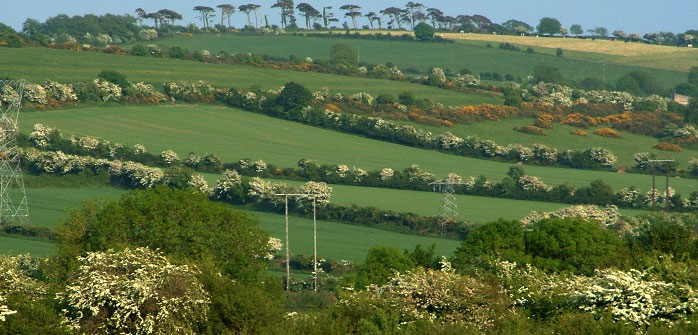
Welcome to the Teagasc May Environment Advisory Newsletter. In this edition, Signpost Communications Specialist, Siobhán Kavanagh points out some of the familiar plants growing in our ditches to heighten our awareness of biodiversity on our farms. You can also sign up for the free Signpost Advisory Programme and AgNav today. We get tips on how to get the most from your nitrogen spend and reduce the risk to water quality.
Life in the ditches: The plants growing around your farm
Lady’s Smock
Look out for Lady’s smock also called cuckooflower and cuckoo spit, with four petalled pale lilac flowers in a spike. It is one of the few flowers that can persist in ryegrass fields as it tolerates moderately fertile soil, and flowers before grass growth takes off.
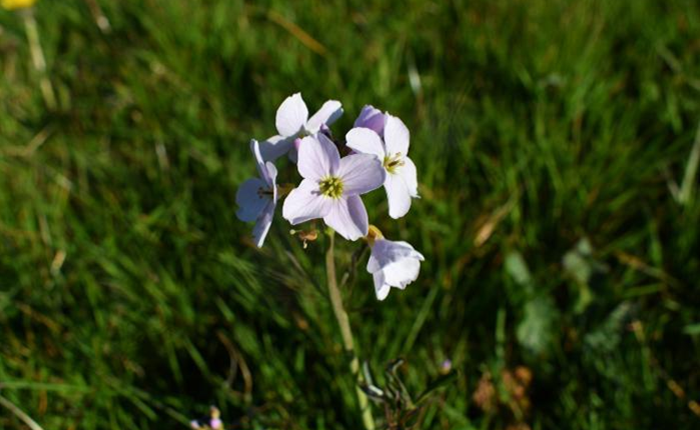
It grows in wetter areas. It is the main larval foodplant and source of nectar for orange-tip butterflies. The male is distinctively coloured white with bright orange tips on forewings. The female is less conspicuous with black tips on forewings. Lady’s smock and orange-tip butterflies are a good example of plants and invertebrates co-existing for the past ten thousand years – part of our native Irish biodiversity.
Meadow Foxtail
Look out for meadow foxtail in flower. This early flowering grass has a tight cylindrical spike hosting many invertebrates, which in turn are prey for invertebrate eating birds. Meadow foxtail is found in old unimproved grasslands.
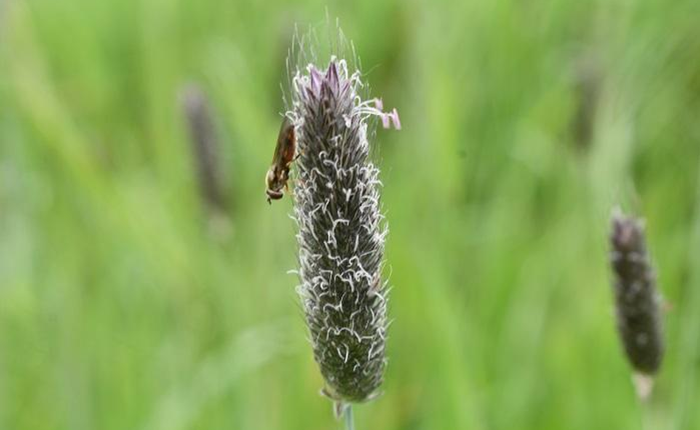
Seed mixtures for improved grassland will not include it and such fields are grazed or cut before grasses head out or go to seed which is important for efficient food production. This shows the ecological benefit of retaining grass margins around improved grass fields, as well as leaving other grassy ‘waste’ areas left unsprayed in the countryside and delaying cutting until autumn. Meadow foxtail nó fiteog léana is part of our native Irish biodiversity.
May Climate Actions
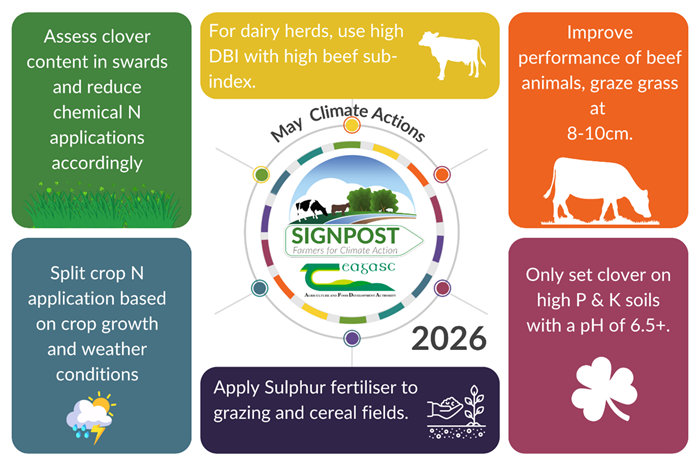
Each month, the Teagasc Signpost Programme shares six climate action tips for the month ahead. This month, you should:
- Assess clover content in swards and reduce chemical nitrogen (N) applications accordingly.
- Split crop N application based on crop growth and weather conditions.
- For dairy herds, use high Dairy Beef Index (DBI) sires with a high beef sub-index.
- Improve performance of beef animals, graze grass at 8-10cm.
- Only set clover on high phosphorous (P) and potassium (K) soils with a pH of 6.5+.
- Apply sulphur fertiliser to grazing and cereal fields.
Sign up to the Signpost Advisory Programme
The Signpost Advisory Programme is a free programme available to all farmers. It provides enhanced advisory and training support to farmers to help them to select and implement climate and sustainability actions that are appropriate and impactful on their farms.
Farmers can get support with AgNav by signing up to the free Signpost Advisory Programme here.
‘Your Farm, Your Data, Your Plan – Get Started with AgNav’
AgNav is a farmer-focused digital sustainability platform developed by Teagasc, Bord Bia, and the Irish Cattle Breeding Federation (ICBF), with support from the Department of Agriculture, Food and the Marine. It enables farmers to view key sustainability metrics for their own farm, explore how management changes may impact these metrics, and develop a tailored sustainability action plan. AgNav is free and voluntary to use, and is currently available for beef, dairy and tillage farmers.
Dairy and Beef
Dairy and beef farmers do not need to register for AgNav, as access is available through their existing ICBF account. To get started, visit www.agnav.ie, click ‘Login’ at the top right of the page, and enter your ICBF login details (email or herd number and password).
Tillage
Tillage farmers must register for AgNav, even if they already have a dairy and beef account. To do so, visit www.agnav.ie, select ‘Tillage Registration’ at the top right of the homepage, and follow the steps provided.
5 Top Tips
Improve Nitrogen Use Efficiency and Reduce Nitrate Losses to Water
The cost of one kilogram of nitrogen (as protected urea) has increased from €1.24 to €1.85 since the start of the year. It makes sound financial sense to use nitrogen (and phosphorous and potassium) as carefully as possible and avoid wasting nutrient and money.
To improve nitrogen use efficiency and reduce nitrate losses to water:
- Use your Nutrient Management Plan to correct soil fertility and maximise N efficiency.
- Reduce crude protein in concentrate fed to dairy cows and bovines over two years at grass to a max of 14% between April 15th and September 30th.
- Maximise slurry nutrient utilisation through LESS technology and precision timing.
- Apply nitrogen little and often, while matching application rate to growth and weather conditions.
- Use clover and multispecies swards to reduce chemical nitrogen requirements.
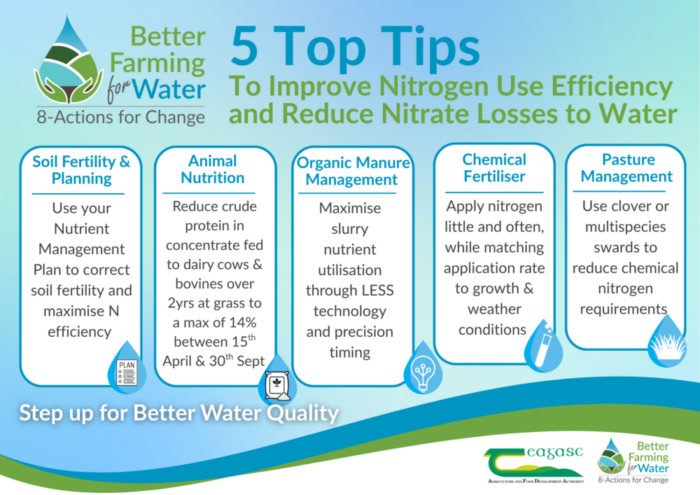
For further tips on getting more from your nitrogen spend, visit here.
Diary dates
Farming for a Better Future 2026
Join us on Wednesday, 10th June at Teagasc, Johnstown Castle, Co. Wexford for a Farming for a Better Future 2026 event.
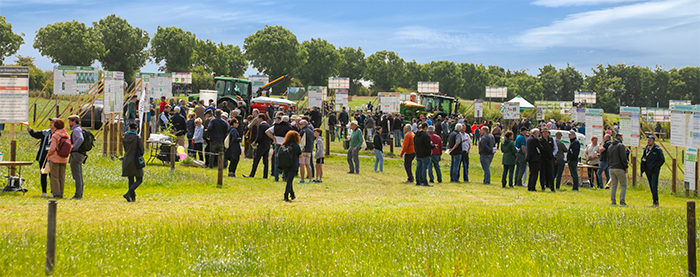
The theme of this year’s open day is‘Innovating for Healthy Soils and Clean Water’ and will focus on protecting soil health and improving water quality at the farm systems level. The Open Day will demonstrate how to build resilient soils and improve water quality across dairy-beef, organic, spring and winter milk and tillage farming systems.
For further details, visit here.
A Somers Evening Farm Walk
Join us on Wednesday, 17 June at 6:30pm for a Somers Evening Farm Walk – Tillage Farming and Nature Working Together in Oylgate, Co. Wexford, Y21 TR80.

Hosted by Don Somers, from Oylegate, Co. Wexford – overall winner of the Teagasc FBD Environmental Sustainability Award 2025 and winner of the water quality category – this event offers a behind-the-scenes look at a working tillage farm leading the way in sustainability.