
Climate-smart future dairy farming in Eritrea
Teagasc was the lead organisation in the European Union-funded CSARIDE project, a six-year initiative designed to strengthen Eritrea’s dairy sector through research, innovation, capacity building and climate-smart agriculture. Here, Project Coordinator Lance O’Brien reflects on the lessons learned.
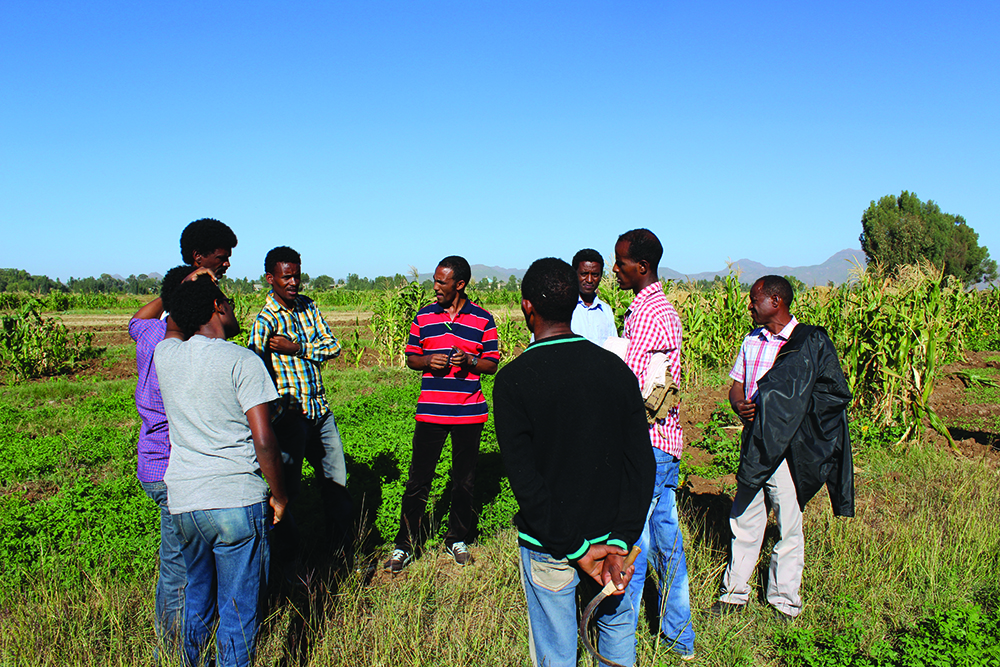
Implemented from February 2020 to March 2026 with a total budget of approximately €4.2 million, the EU-funded project ‘Climate Smart Agriculture Research and Innovation Support for Dairy Value Chains in Eritrea’ (CSARIDE) sought to improve food security, increase farmers’ incomes and enhance the resilience of dairy production systems to the challenges posed by climate change.
Eritrea’s dairy sector plays an important role in rural livelihoods, nutrition, and local economies. However, for many years it has faced major challenges, including low animal productivity, poor-quality feed, limited access to improved breeding and veterinary services, weak research and extension systems and fragmented market linkages. Climate change has added further pressure through increasing feed shortages, water scarcity and environmental degradation.
Using a research-for-development approach, the project brought together researchers, educators, government agencies, farmers, processors and development partners to strengthen the entire dairy value chain. The goal was to increase dairy productivity, improve milk quality and safety, support value-added processing and promote environmentally sustainable and climate-resilient farming systems in three regions of Eritrea.
At the heart of CSARIDE was the concept of Climate-Smart Agriculture, which seeks to increase productivity while improving resilience to climate change and reducing pressure on natural resources.
Generating knowledge
Comprehensive assessments of dairy and forage value chains identified major constraints and opportunities in the target regions. Market studies and financial analyses provided valuable insights into production costs, processing efficiency and market dynamics, helping stakeholders identify practical pathways for improving competitiveness.
The project also delivered significant research outputs through strengthening collaboration between Hamelmalo Agricultural College (HAC) and the National Agricultural Research Institute (NARI). Researchers identified forage species suitable for local conditions and developed cereal-legume intercropping systems that can improve feed availability while making better use of land and water resources. Advances were also made in animal breeding and health management.
Demonstration farms established at HAC and NARI became important centres for testing technologies, training students and sharing knowledge with farmers and extension personnel.
Strengthening skills
Building human and institutional capacity was a major focus of the project. Through postgraduate training, CSARIDE is expected to produce 15 MSc and seven PhD graduates, creating a new generation of researchers capable of addressing challenges in the dairy sector. By the end of the project, seven MSc students had already graduated.
The project also strengthened extension services through farmer field schools, practical training programmes and the development of technical manuals and learning materials. These efforts improved the ability of extension staff to provide farmer-centred and demand-driven advisory services.
Institutional support extended to food safety and quality assurance systems. Staff of the national laboratories and regulatory institutions received training, and equipment was purchased and installed to strengthen milk testing, food safety monitoring and quality control. These investments are helping to improve consumer confidence and create conditions for higher-quality dairy products.
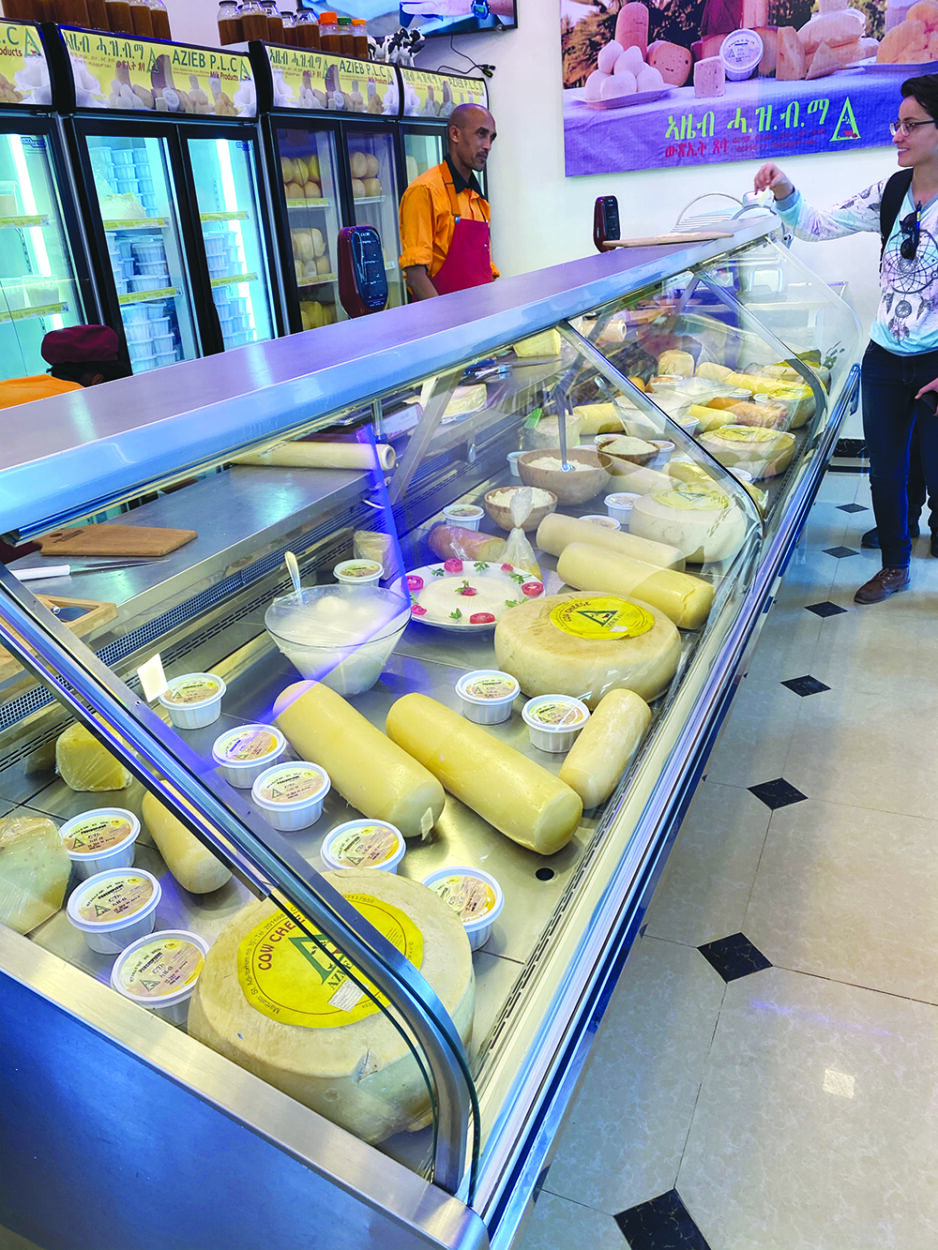
Innovating across the value chain
CSARIDE adopted a multi-stakeholder innovation approach that actively involved farmers, milk collection centres, processors, extension agents, artificial insemination technicians and local communities. By encouraging collaboration and knowledge exchange, the project helped bridge the gap between research and practice.
Processors and milk collection centres received technical assistance to improve milk handling, hygiene, packaging, shelf-life extension and product diversification.
More than 900 stakeholders participated in workshops, training events, exposure visits and learning activities. An international dairy conference held in 2024 further enhanced the visibility of project results and facilitated the exchange of experiences among researchers, policymakers and industry representatives.
Benefits and impacts
The project generated encouraging results at farm level. Farmers increasingly adopted improved feeding, breeding, and animal health practices, leading to more efficient and productive dairy systems. Pilot sites demonstrated measurable improvements in milk yields, animal performance and milk quality.
Research findings supported the development of practical recommendations in three key areas: animal nutrition, animal health and breeding. These ‘platform technologies’ provide a foundation for improving productivity while reducing production costs.
The strengthened links between research institutions, extension services, and farmers also contributed to a more effective Agricultural Knowledge and Innovation System. Farmers gained better access to information and technical support, while researchers received valuable feedback from field experiences.
Climate-smart production practices are helping farmers improve resilience to climate variability while making more sustainable use of resources. Improved forage production and livestock management practices have the potential to reduce pressure on natural resources, lower greenhouse gas emissions and minimise environmental pollution.
The project also promoted gender-sensitive approaches, creating new opportunities for women in milk processing, retailing and small-scale dairy enterprises.
CSARIDE – in numbers
Project duration: 73 months (6 years)
Budget: €4.2M
Expected graduates: 15 MScs, 7 PhDs
Stakeholders participating in knowledge transfer: 900+
Looking ahead
Despite significant progress, important challenges remain. Unreliable electricity supplies continue to affect dairy processing and cold-chain management. High costs and limited availability of feed, veterinary supplies, equipment and packaging materials constrain wider adoption of improved practices. Seasonal fluctuations in milk demand also remain a challenge for producers and processors.
Scaling successful innovations presents another major task. More than 90% of Eritrea’s milk production comes from smallholder farmers spread across diverse agroecological zones. Expanding climate-smart dairy practices will require continued investment in research, extension services, veterinary support, breeding programmes and infrastructure.
Challenges such as communal rangeland degradation, insecure land tenure and overgrazing require coordinated policy solutions that combine productivity improvements with natural resource restoration.
Strong foundations
By strengthening research and extension capacity, promoting climate-smart technologies, supporting value addition and improving food safety, the project established a strong foundation for a more productive, resilient and inclusive dairy sector in Eritrea.
The experience highlights the importance of investing in knowledge systems, partnerships and locally adapted solutions. Continued support for these approaches will be essential if the gains achieved through CSARIDE are to be sustained and expanded, helping Eritrea build a dairy sector that delivers economic, nutritional and environmental benefits for future generations.
Acknowledgements
The CSARIDE project partners were: University College Dublin, University College Cork, Natural Resources Institute Finland (LUKE), Vita Impact, Self Help Africa, SENSE Consultants (SA), Ministry of Agriculture Eritrea, National Agriculture Research Institute, Eritrea and Hamelmalo Agricultural College, Eritrea.
Contributors
Lance O’Brien, Head of Strategy and International Relations (former), Teagasc Oak Park
Correspondence: lanceobrien12[at]gmail.com