
Breeding
- Breeding progress
- Late calvers scanned & synchronised
- Synchronisation programme for beef cows
Breeding commenced on 20th April and has progressed well to date. A total of 25 cows and 8 replacement heifers were presented for breeding so far, giving a total breeding herd of 37/38 females. Heat detection has been good, with breeding records maintained through the Sensehub system.
To date, 11 repeat breeders have been identified, representing 33% of animals served. These animals are being closely monitored and veterinary examination will be considered where repeat services exceed normal expectations.
Some cows have been identified for culling due to age and poor maternal performance.
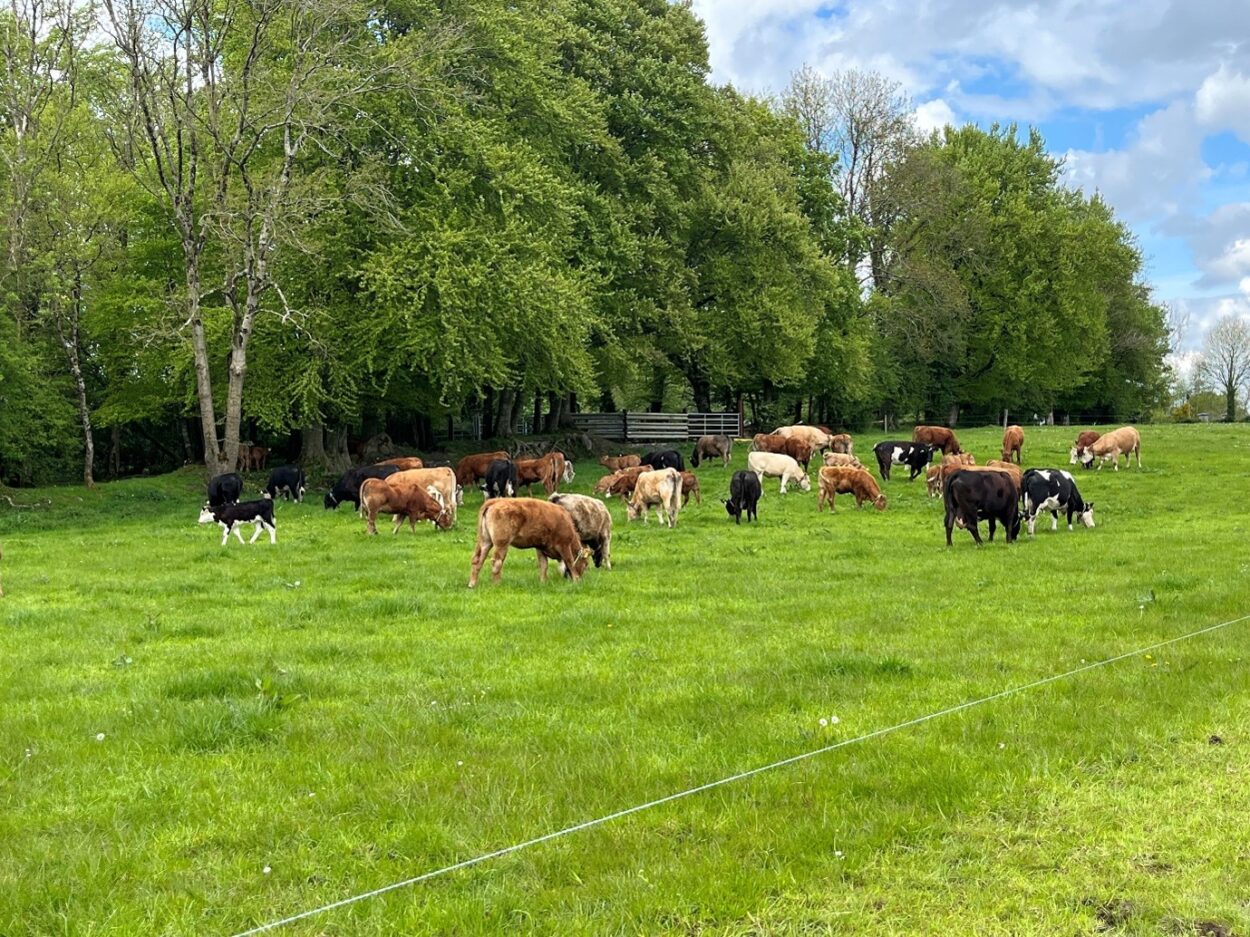
Figure 1: Suckler cows and calves grazing a freshly allocated paddock of grass
Current breeding performance indicators include:
The target remains to achieve a compact calving pattern with the majority of cows calving within the first six weeks of the calving season. Aonghusa will use a short gestation Angus bull for later calvers to help with this. This will improve labour efficiency, calf uniformity and overall herd profitability.
Synchronisation Programme for Problem Cows or Late-Calving Cows
Aonghusa pre-scanned some of the later calving cows and decided to synchronise them. One heifer was identified as not suitable internally for breeding, and 2 were not cycling after calving. The following programme was used:
Day 0 (a.m.)
Day 7 (a.m.)
Days 8–10
This programme can help improve submission rates, particularly in late-calving cows, cows with poor heat expression, or where labour availability limits heat detection.
Key Actions Before End of Breeding Season
The overall objective is to achieve a six-week calving rate of >70%, an empty rate below 10%, and maintain herd fertility performance in line with herd targets.
A recent weighing of cattle was completed on 9th June to assess liveweight performance and monitor progress towards target finishing weights. Regular weighing remains an important management tool, allowing underperforming animals to be identified early and enabling feeding and grazing decisions to be adjusted where necessary.
The 2025 born bullocks (17) averaged 409kg, but they only gained 0.57 kg/day since their previous weighing on 20th December. The 2025 non-breeding heifers (4) averaged 0.49 kg/day during the same period. While they were housed longer than usual, they were on good quality silage which was balanced with ration. They were also vaccinated and dosed for worms and rumen fluke, and Aonghusa has taken another FEC sample to assess if they need another dose as performance is much lower than expected.
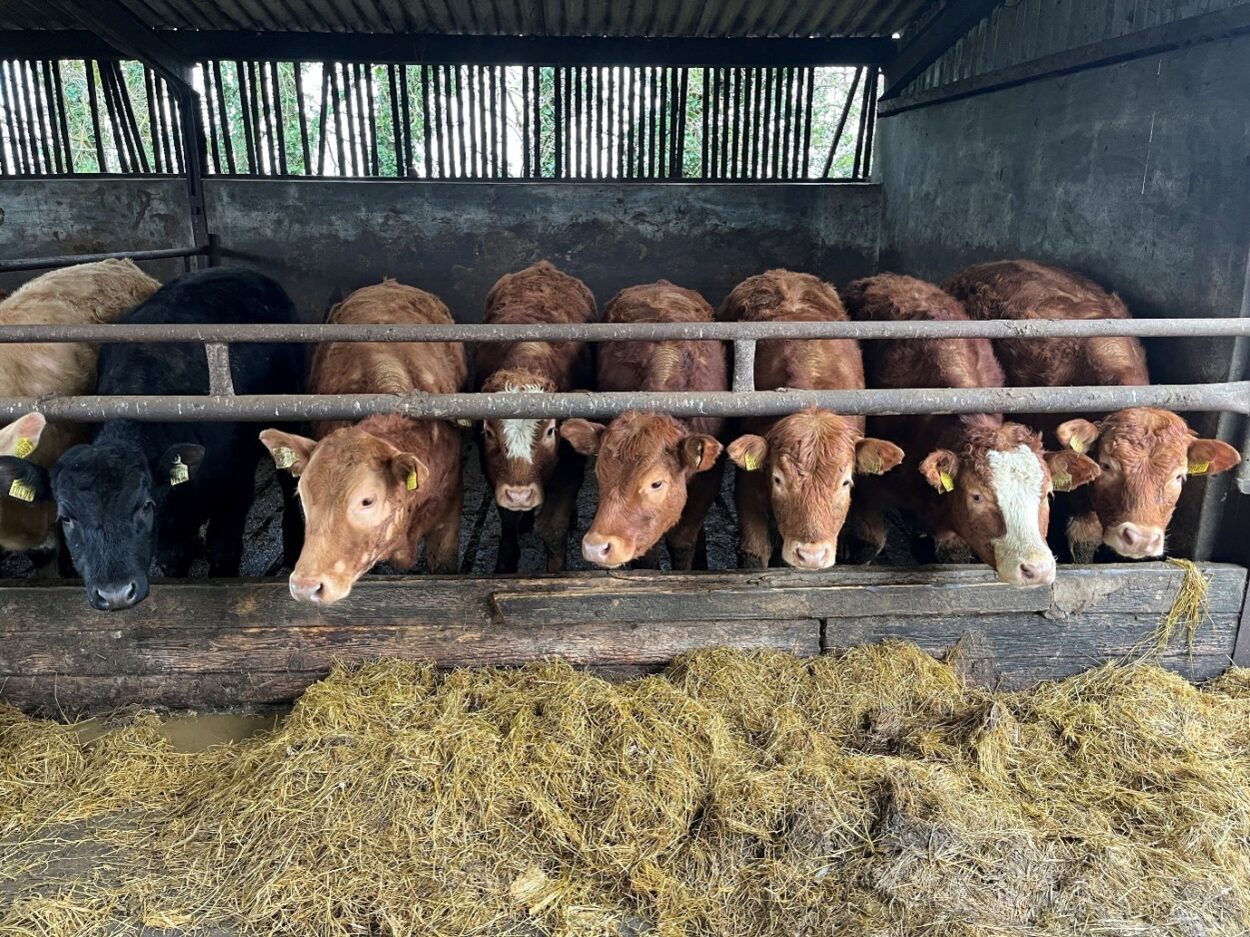
Figure 2: The 2025 suckler heifers pictured on 17th February
The 2025 dairy beef bullocks (14) averaged 341kg and gained 0.61 kg/day since 20th December which further indicates an issue with the suckler beef cattle as they outperformed them.
The 2024 suckler bullocks (13) averaged 576kg and gained 0.65 kg/day since 20th December. The 2024 dairy beef bullocks (12) averaged 532kg and gained 0.8 kg/day during the same time – which again raises a concern about performance.
Overall performance has been below target for the period which is 0.6 kg/day over the winter and 0.8-1kg/day at grass and required further investigation. Aonghusa completed a FEC sample for the suckler and dairy beef cattle where their dungs were tested for coccidia, gastro intestinal worms, nematodirus, tapeworms, liver fluke and rumen fluke.
The suckler cattle tested positive for very high levels of coccidia and positive for rumen fluke, requiring treatment immediately. They had low levels of gastro intestinal worms, nematodirus and tapeworms and liver fluke. The dairy beef cattle tested moderately positive for coccidia which again requires treatment, and low for the remaining worms. They were also low for liver and rumen fluke.
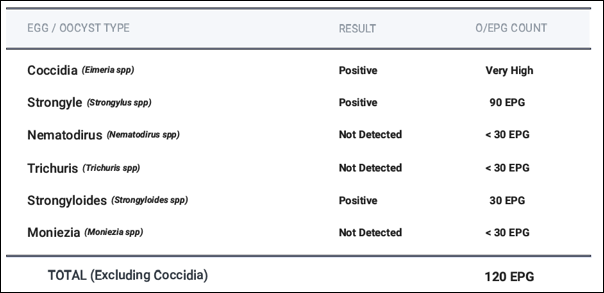
Figure 3: FEC results for suckler bred yearlings
Some of the heavier 2024 born cattle can be drafted for feeding up to 5kg/head/day to finish them from grass over the summer.
Actions Before Next Weighing
The objective is to maintain average daily gains of 0.8-1 kg/day on grass only and ensure cattle reach market specifications as efficiently as possible while maximising output from grazed grass.
Two bullocks and 1 heifer were sold through the mart on 4th June. The bullocks averaged 530kg and made €2040 on average per head. The heifer was over 2 years of age and weighed 530kg, making €2200.
