
May/June Update 2026


Breeding
Cathal started his breeding season on 19th March (8 weeks ago to date). So far 6 heifers and 16 cows have been bred, with 1 more heifer and 1 cow remaining that will be synchronised. The heifers have been bred to Loyal, LM4184 (sexed female) and Dereen Jack, SI4950 (sexed female). Cathal is monitoring them for second repeats by using the calving camera in the shed as they are still housed due to the wet, cold spring. They are due to be turned out in mid May with the Limousin bull who will cover any further repeats.
The cows have been bred to the Charolais stock bulls – one of which has since been sold. Cathal was very happy with the ease of calving and quality from the older stock bull and decided to keep him. He was wary of the Q204x myostatin mutation in the newer bull and chose to sell him. The current bull has a MooHeat collar on him and the cows have the tags so Cathal can keep track of repeats and expected calving dates for next year.
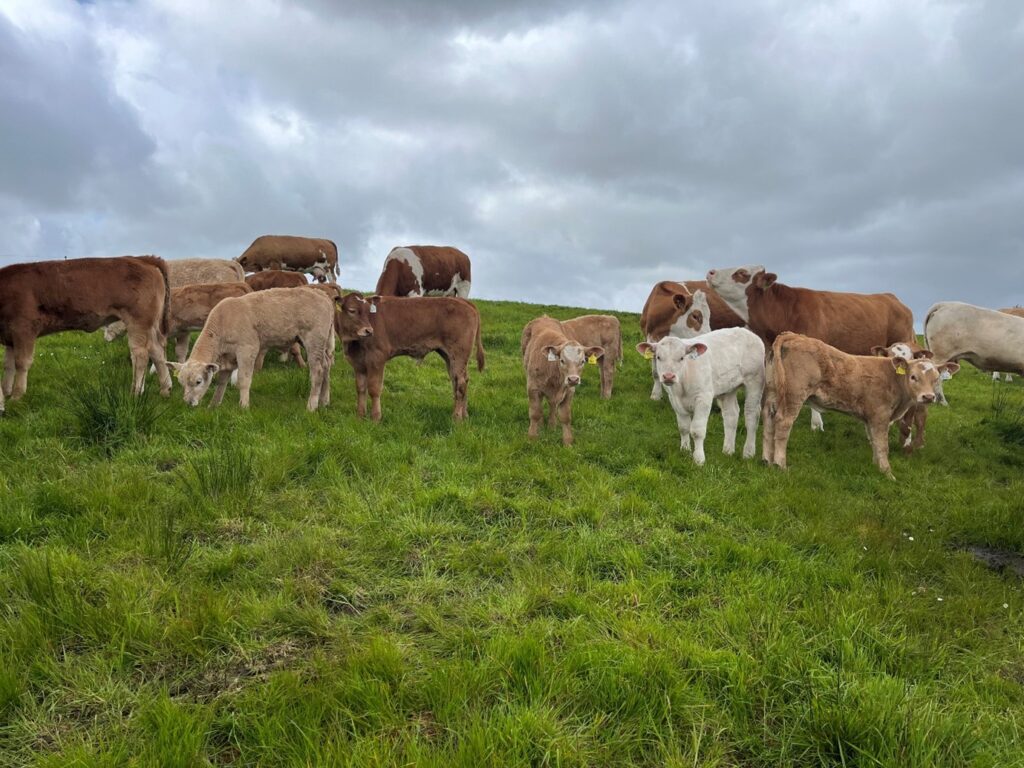
Figure 1: Some of this year’s Charolais and Limousin calves
Four cows have been selected for culling due to temperament, low milk and one that injured her back after calving. His aim is to have 23 to 24 cows calving in spring 2027. To simplify the system, he is considering buying in replacements so that he can breed all terminal calves. He is also considering keeping the heifers on the farm longer and finishing them before the second winter to add value to them.
Animal Health
The heifers are due to move to the outblock and were given a preventative against redwater disease from ticks. Redwater disease, also known as babesiosis, is a serious tick-borne disease affecting cattle in Ireland. It is caused by a blood parasite called Babesia divergens, which is spread through the bite of infected ticks. The disease is most common on rough grazing land, under-grazed pasture, and areas with heavy scrub or hedgerows.
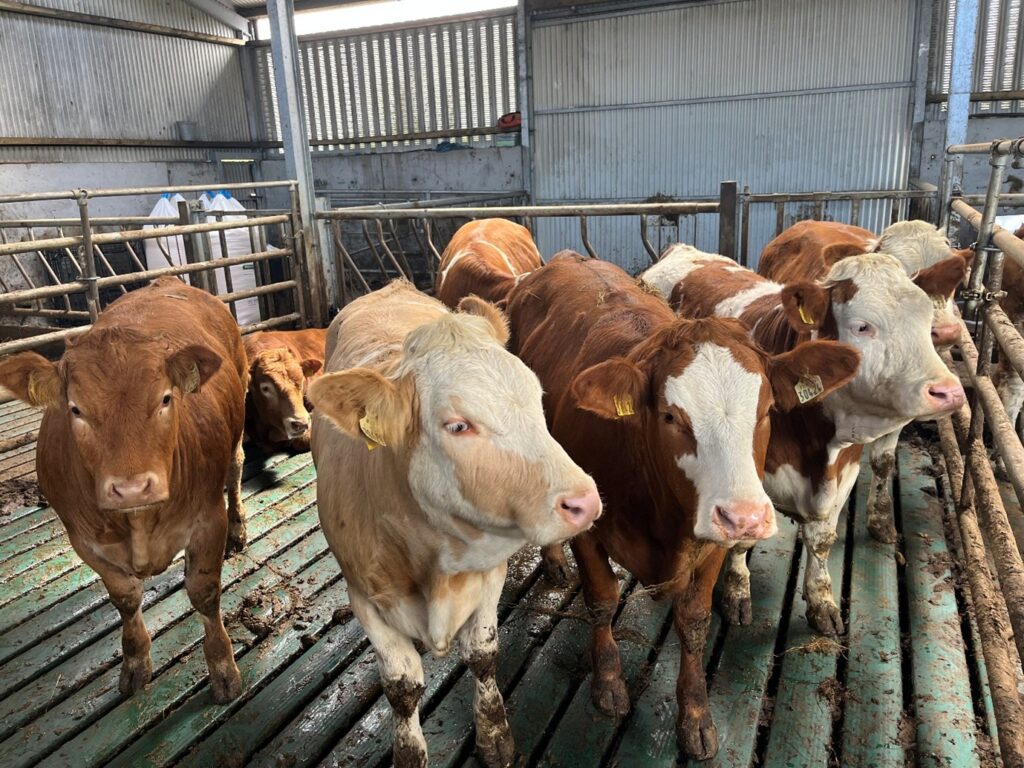
Figure 2: This year’s breeding heifers are due to move to the outblock
The disease gets its name from one of its main symptoms — red or dark brown urine caused by the destruction of red blood cells. Redwater can develop quickly and may lead to death if treatment is delayed.
High-risk periods are in late spring, early summer, and autumn when tick activity is highest. Common signs include:
- High temperature
- Loss of appetite
- Animals separating from the herd
- Weakness and depression
- Red or frothy urine
- “Pipe-stem” diarrhoea
- Pale or yellow gums caused by anaemia
- Difficulty standing or staggering
In severe cases, cattle may collapse and die within a short period. Pregnant cows may also abort.
It can be prevented by:
- Field Management
Ticks thrive in rough, damp areas with heavy vegetation, which is exactly what they are moving across to.
Preventive measures include:
- Topping rough pasture
- Clearing scrub and bracken
- Avoiding heavy undergrowth near hedges
- Improving drainage where possible
- Keeping cattle away from known tick-infested fields during peak risk periods
Well-managed grazing reduces the habitat where ticks survive.
- Use of Tick Control Products
Pour-on or topical tick treatments can help protect cattle from bites. These products reduce tick numbers but usually only work for a limited time, so repeat treatment may be necessary during the grazing season.
Cathal has treated the heifers with Bayticol which has to be re-administered every 14 days but only has a 5 day withdrawal period. This will also suit the Limousin bull who he has planned to sell over the summer. The short withdrawal period gives him the option of selling live or to the factory.
Performance
Cathal sold some cattle live during April . One bull weighed 385kg and made €4.36/kg. A heifer was sold on the same day and she weighed 345kg, making €3.77/kg. The remaining heifers were sold on 21st April and averaged 398kg, making €4.13/kg.
One cow was sold in the factory on 10th April. She was 99.5 months and had slipped an embryo over the winter. Cathal had planned to keep her on but noticed she went off her feed and began having difficulty passing urine. She was 411kg carcass weight and graded R=3=.
A batch of 8 bulls were sold to the factory on 7th May. They averaged 15.6 months of age and were 438kg carcass weight, grading U-3=. They made an average of €3083 per head. Cathal estimates that they had eaten 9kg of ration/head/day since January, amounting to 1.1t in total. Prior to this they eat approximately 0.3t since arrival on the farm. At €365/t this works out at €511 in ration costs alone. Their average purchase price was €2305 and other expenses included silage (4.5 bales x €35/bale), vaccines, dosing, straw bedding, fixed costs and labour which left the profit margin tight. However the profit margins on the home bred bulls are expected to be much better as Cathal has them at cost price.
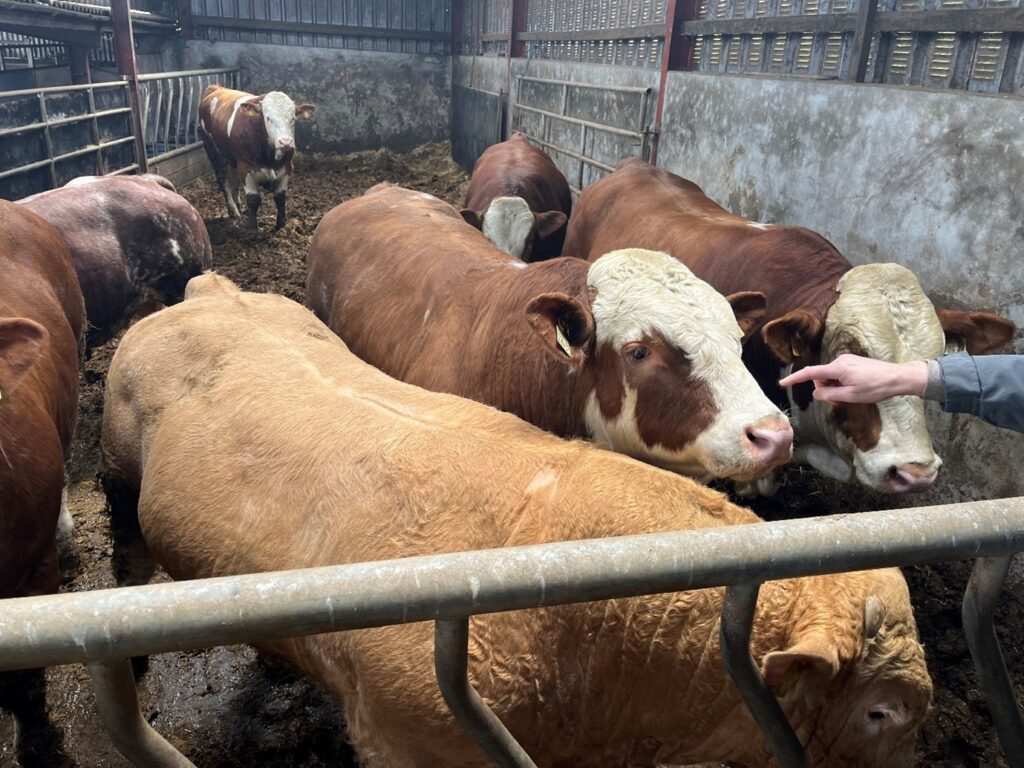
Figure 3: Profit margins are expected to be higher on the home-bred bulls