



Our Organisation Search Quick Links
Toggle: Topics

Eamon & Donnchadh McCarthy November December Update 2026

    Health

    • Vaccine plan
    • Faecal egg count
    View

    Nutrition

    • Target of ADG of 06kg/day
    • High quality silage
    View

    Performance

    • Spring born heifers at 311kg
    • Target of 60% of mature body weight at breeding
    View

Vaccination and Animal Health

In 2027, Eamon and Donnchadh McCarthy plan to move their suckler herd to a spring-calving system, having previously operated a split-calving system. To facilitate this transition, additional maiden heifers will be bred to ensure that suckler cow numbers remain at approximately 50 cows into the future. The farm operates a system where bulls are finished before 16 months of age, while replacement heifers are calved down at 24 months.

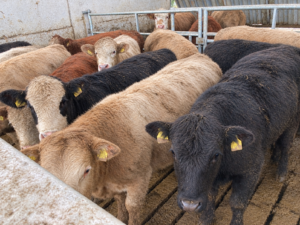
The spring-born heifers were recently housed and are on a vaccination plan. Before weaning, the heifers received two injections of Bovalto Respi 3, administered three weeks apart. This vaccine provides protection against Parainfluenza 3 virus (PI3), Bovine Respiratory Syncytial Virus (BRSV) and Mannheimia haemolytica serotype A1.

The heifers also received a live IBR vaccine in May 2026 and are due their six-month booster injection in late November. In terms of parasite control, the group was dosed with Albex in August. A faecal egg count test will now be carried out to assess their current parasite burden. Based on the results, they will be treated again if necessary. They will also receive a pour-on treatment for lice shortly.
Winter Diet and Nutrition

The first winter after weaning is a particularly important period for replacement heifers, as maintaining consistent growth is essential to ensure they reach their target breeding weights. The McCarthys are aiming for an average daily liveweight gain of approximately 0.6kg per day throughout the housing period.

Nutrition plays a major role in achieving this target. The heifers are currently being fed first-cut silage from a reseeded paddock. The silage was analysed and tested 78% DMD, with a crude protein content of 14.8%. Along with silage, the heifers are receiving 2kg of meal per head daily. This consists of a weanling ration supplemented with homegrown barley and soya.

Weighing and Monitoring Growth

On the 14th of November, the group of 17 spring-born heifers were weighed on the farm. They were on average liveweight of 311kg. Regular weighing is an important management tool on the farm as it allows the McCarthys to monitor performance and identify animals that may not be achieving their growth targets.

The aim is to have replacement heifers at approximately 60% of their mature bodyweight at the beginning of the breeding season. The breeding season on the farm generally starts in late April. The target is to have the maiden heifers weighing between 420kg – 440kg before breeding begins.

Figure 1 The spring born heifers averaged 311kg at housing

Assessing Winter Performance

To ensure the heifers are achieving the desired daily liveweight gain of 0.6kg, the McCarthys plan to weigh the group again in late December. Comparing these weights with the November figures will allow them to calculate average daily liveweight gain and assess how successfully the winter feeding programme is performing.

Heat Detection Collars

SenseHub heat detection collars are used on the farm for heat detection and health monitoring. Before turnout, the maiden heifers will have their collars fitted. This will allow the McCarthys to monitor their activity and identify when individual animals are coming into heat.

Having the collars fitted well in advance of the breeding season will allow time to monitor the heifers’ activity patterns and identify any potential issues.

Going to Grass in Spring

Weather permitting, the heifers are expected to be turned out to grass in early February. They will initially graze silage ground, allowing them to gradually adjust to the change from their winter housing diet.

Spring grass is an excellent feed source for growing replacement heifers, as it has a high energy and protein content. Good-quality spring grass will help maintain strong daily liveweight gains. Early turnout will also allow silage ground to be grazed before it is closed for first cut silage – which will lead to better silage quality.

Through regular weighing, good nutrition, vaccination, parasite control and the use of Sense Hub collars, they aim to have the heifers in the correct body condition and weighing 420–440kg or more at breeding time.