
Media
- Farm walk held on 5th June
- Over 250 attendees visited the farm
- Walk booklet available below
John & James held a successful farm walk on Fri 5th June 2026. Over 250 attendees had the opportunity to see their suckler cattle, water quality actions, farm financials, red clover, dairy beef calves, new handling unit and grain store on the evening. Refreshments were kindly sponsored by Dawn Meats at the end of the walk.
You can access the booklet here: J&J Dunne – Farm Walk Booklet.
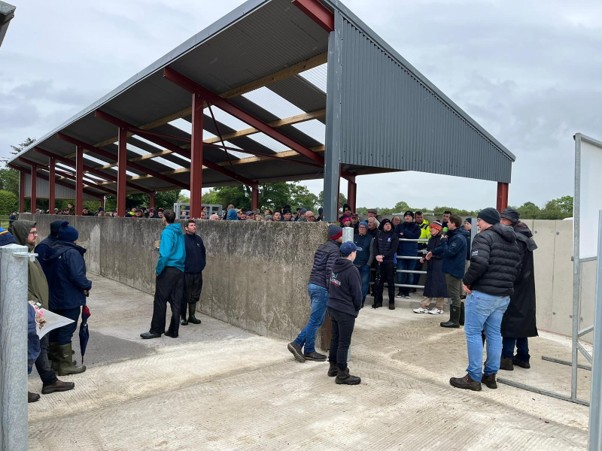
Figure 1: Attendees gathered at the new handling unit
John and James have been planning to invest in a new cattle handling unit for many years. Last year they applied for planning permission for the unit and subsequently applied for a TAMS grant on it. As it is a safety improvement, it qualifies for the Farm Safety Capital Investment Scheme and is eligible for the 60% grant rate, excluding VAT.
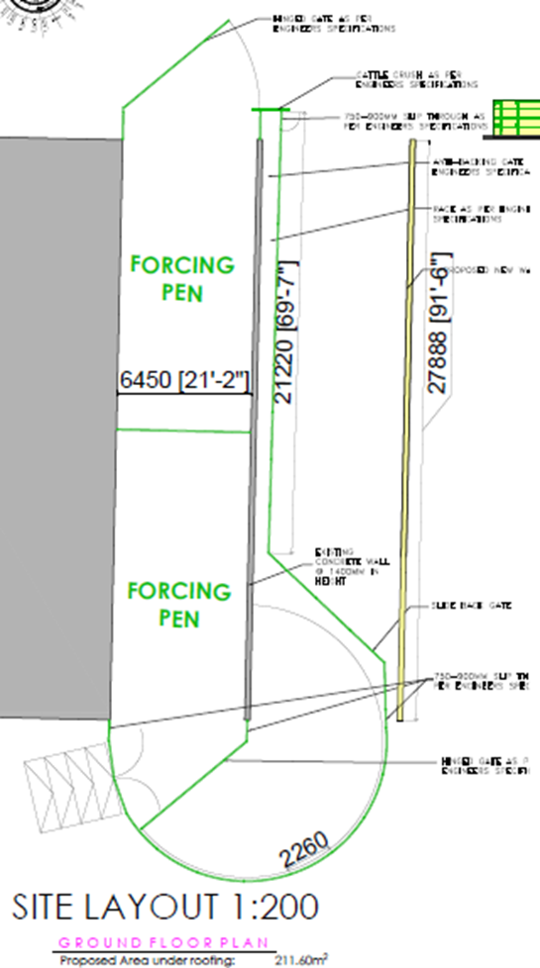
Figure 2: Handling unit design
The design is taken from a number of features that John has seen on other Irish and international farms, and aligns with key animal handling principles. As shown in Figure 2, the cattle enter the holding area and move anti-clockwise around to the crush. A circular forcing pen was installed in the form of a concrete wall to encourage animal flow into the race. Various slip-through areas and pedestrian gates are in place for operator safety and the working area is raised above the crush to allow extra height for the operator. A sliding back gate helps to hold cattle in place, and a head gate with scoop is installed at the top of the crush to restrain animals where necessary. An AI gate is also installed near the top of the crush.
The work area is grooved to help prevent falls, is roofed for operator comfort and two clear lights were installed per span to allow light in. The concrete floor in the crush and operator area is sloped towards the neighbouring slatted tank for ease of use when washing it down. It includes a piped channel directly to the tank at the front of the cattle crush.
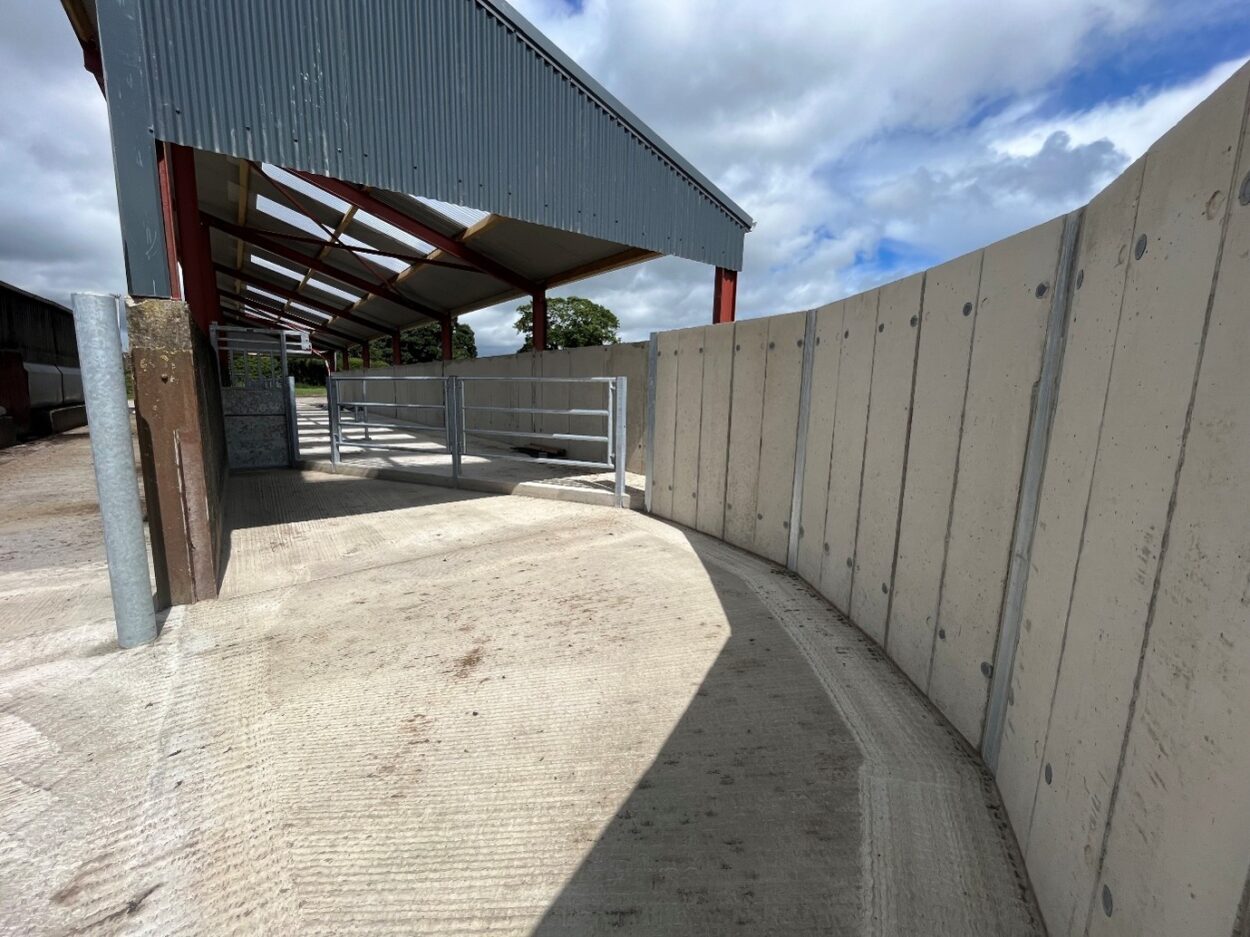
Figure 3: Curved forcing pen at entrance to race
John and James also included two loading areas in their design – one for use with a jeep and trailer and the second for a lorry ramp or large cattle trailer ramp. These are flat areas that reduce the risk of a vehicle rolling, and will also be gated to aloow for safer loading.
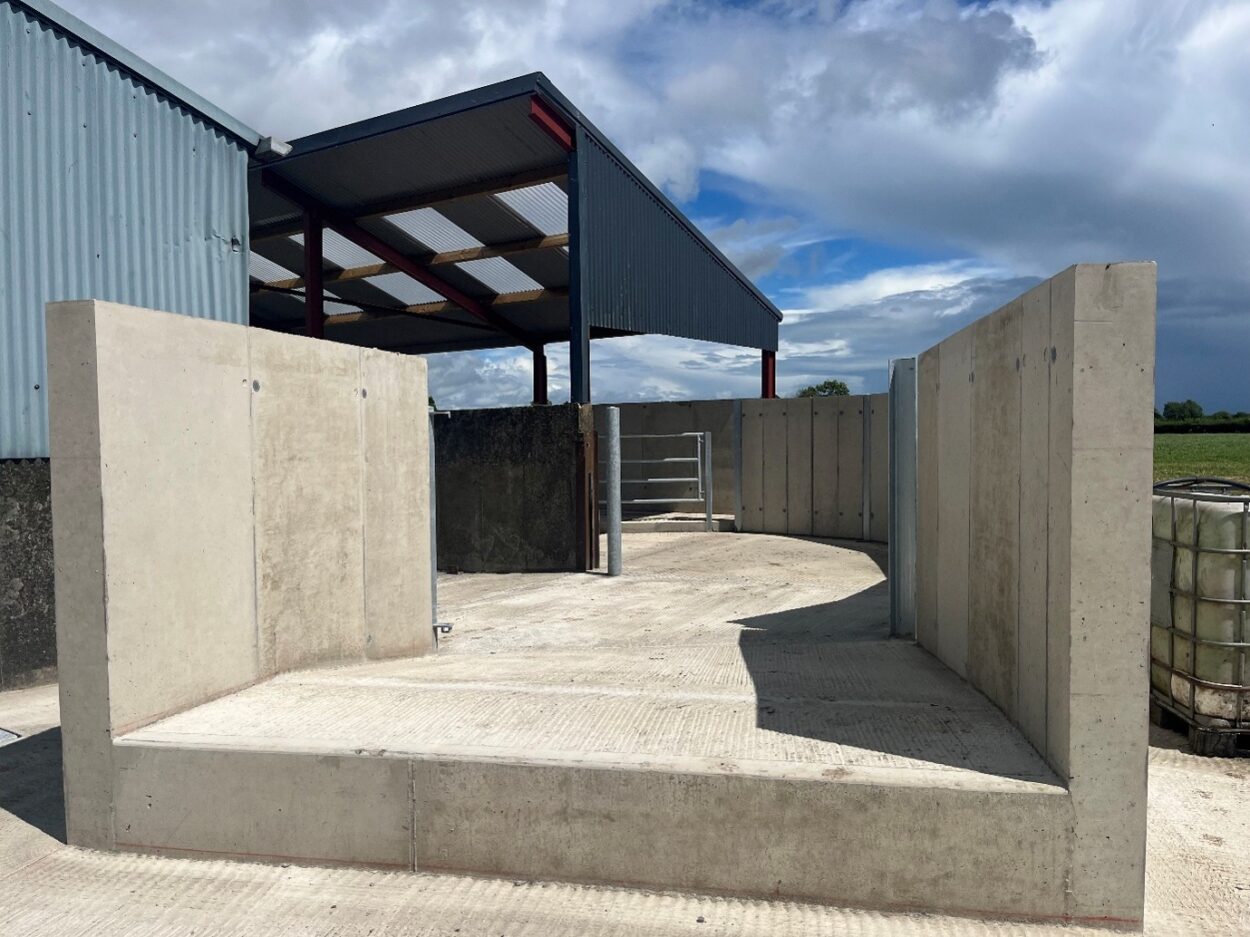
Figure 4: One of the loading areas which can be used by a lorry ot large cattle trailer. Gates to be added.
The shed covering the unit is not covered by the TAMS grant. The items listed below are included in the grant and their reference costs are as follows:
This means that John and James have TAMS approval for €15,513, excluding the shed and excluding VAT.
Shay Phelan, Teagasc Crops Specialist, spoke about storing home-saved grain on the farm. John and James have over 15ha of spring barley this year, all of which will be harvested, stored and rolled on the farm for feeding to the cattle. Shay outlined various diets that could be fed, but emphasised that the home-grown native barley has half the carbon footprint of conventional barley (0.83 kg CO2e/kg vs. 0. 42 kg CO2e/kg).
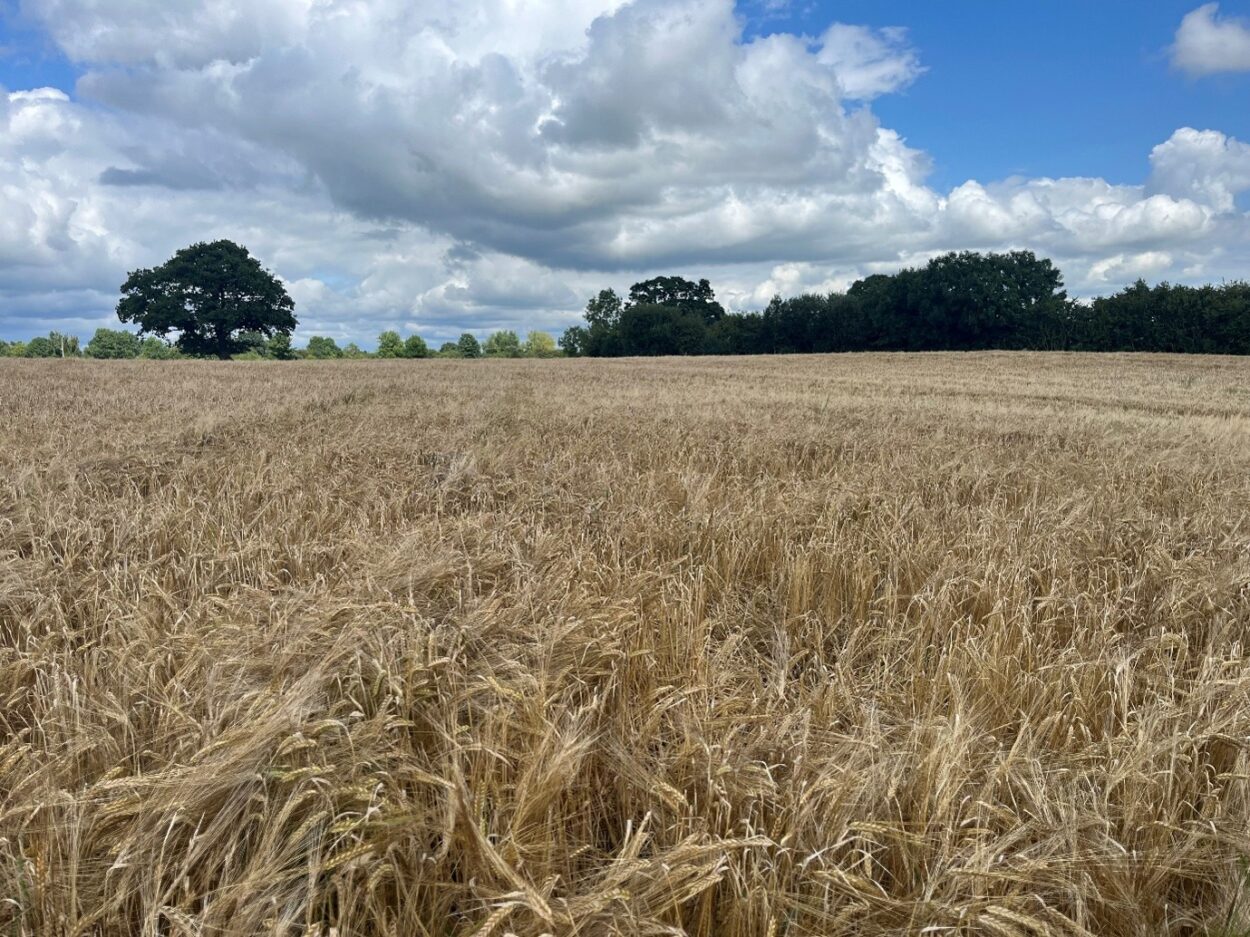
Figure 5: A crop of spring barley growing on the farm in 2025
Most Irish grain is cut at 17–21% moisture. For long‑term safe storage, dry to 14.5–15% moisture content (MC). Grain above 15% MC risks mould and heating unless treated;
Only suitable for long‑term storage when ≤15% MC. Shorter-term storage is possible at 15–17% MC if heaps are kept low and ventilation is good. No additive required; roll at feed‑out if needed. Source: Teagasc concentrate/home‑stored cereals guidance.
Suits 18–28% MC. Treat with propionic acid; store rolled or unrolled. If rolling before storage, increase acid rate by 10–15%. Where MC is variable, dose for the highest MC portion. Ensile or seal well under plastic to exclude air. Source: Teagasc guidance on treated grain.
Suits 15–30% MC. Produces a high‑pH feed that reduces the risk of digestive upsets. No rolling required. Manage carefully and store air‑tight. Source: Teagasc treated grain options.
Harvest early at 28–35% MC (typically 3–4 weeks pre‑normal harvest). Treat with a suitable additive, process through a crimper, and ensile anaerobically. The treatment window can be narrow if crops are drying quickly.
When storing grain, aim for air‑tight conditions: fast filling and perfect sealing are essential where grain is ensiled or treated. Use heavy‑gauge polythene, weigh down covers edge‑to‑edge, repair any damage promptly, and keep vermin and birds out. Thoroughly clean combines, trailers, augers, and bins to prevent contamination and the spread of grass weeds between fields. There also must be different bays for different ingredients in the storage shed.
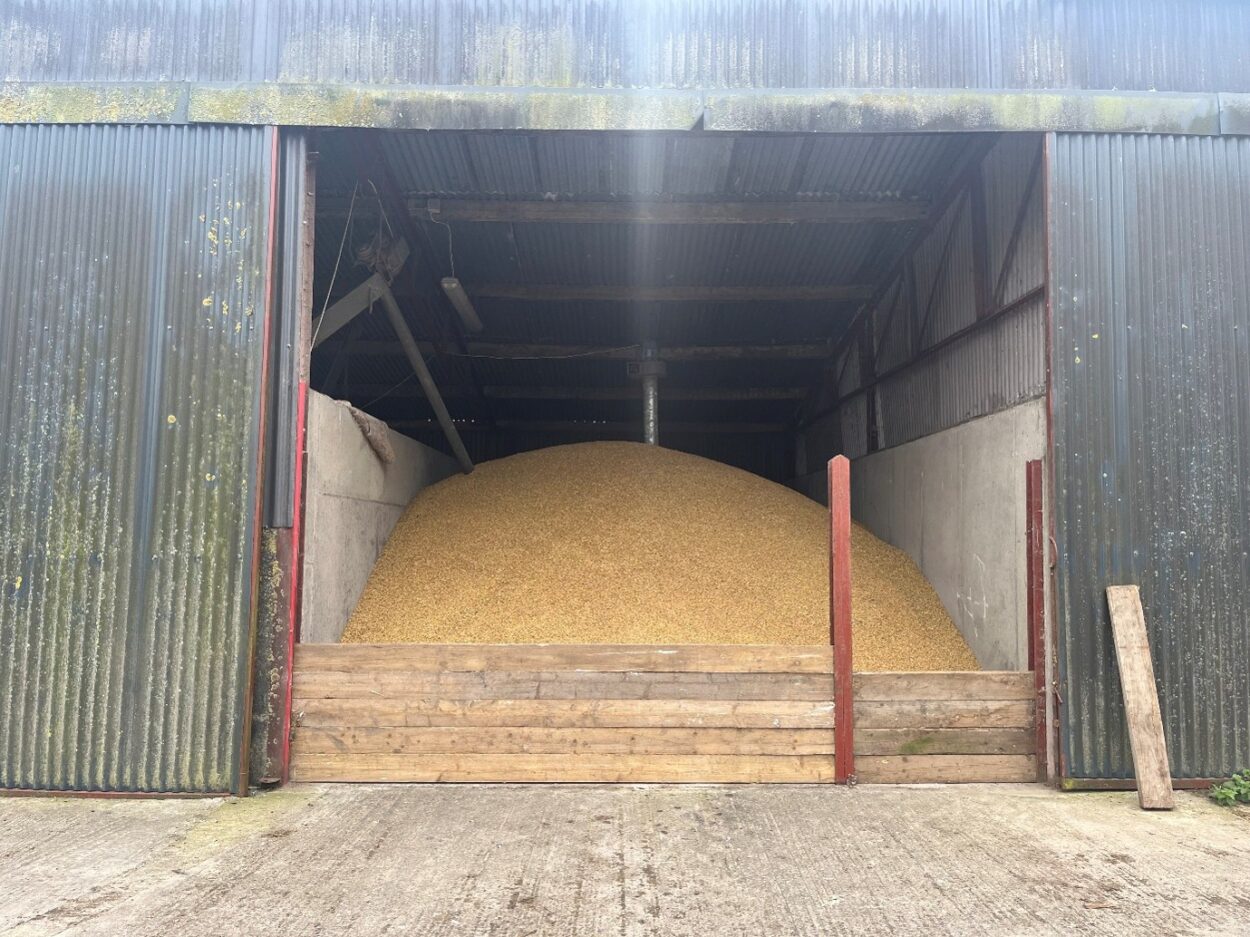
Figure 6: Barley stored in shed
Many categories of stock can utilise home‑stored cereals; balance minerals and, where necessary, protein. John and James roll their barley and feed their stock using a diet feeder. They balance the diet (based on silage sample results) with minerals, beet pulp, soya bean meal and molasses to achieve the desired protein and energy for growing cattle and finishing cattle.
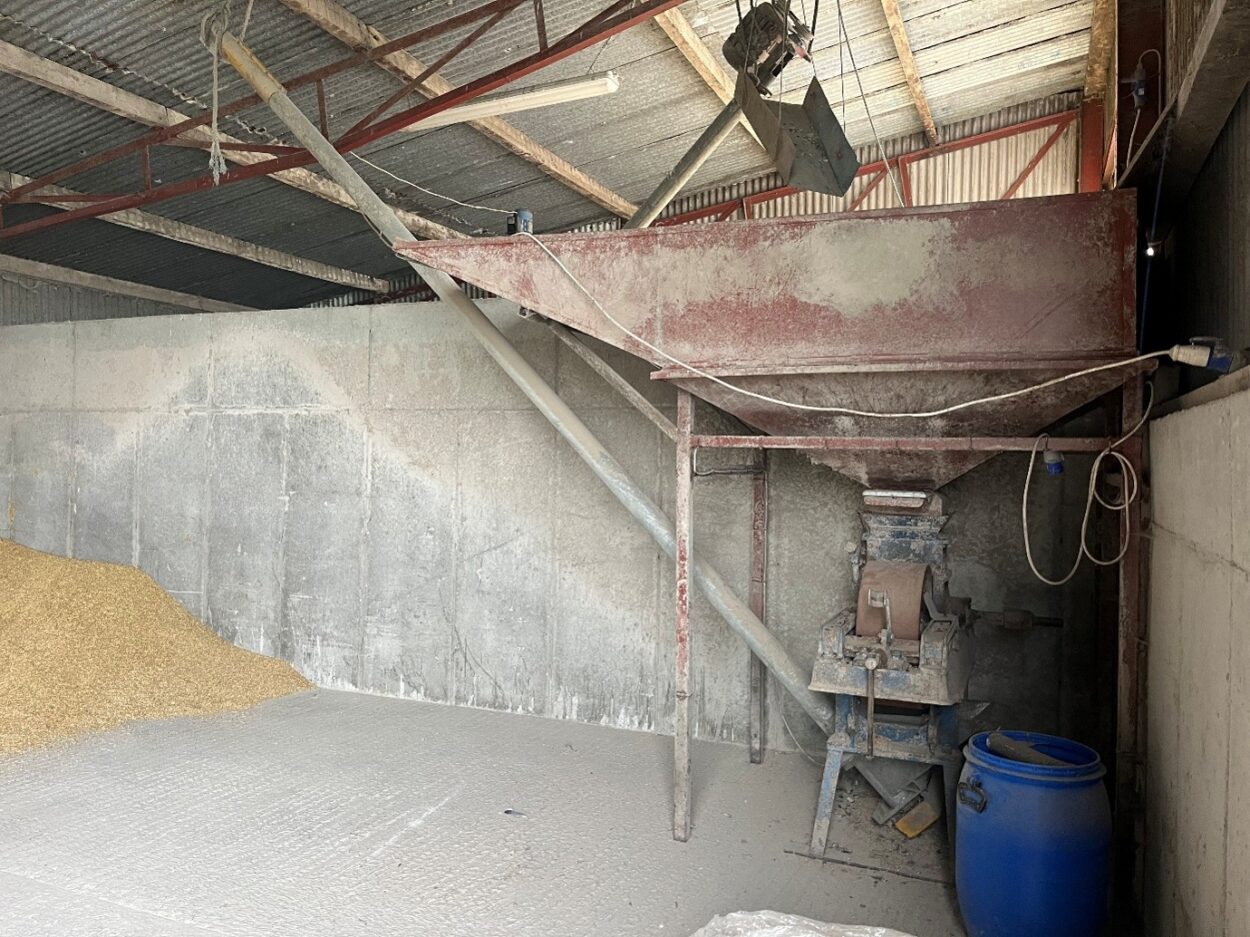
Figure 7: Machine for rolling barley