

Breeding
Calving started on 2nd January with 4 heifers and 19 cows calving to date. Six cows are left to calve and are due in May/June.
AI is finished on the farm as Oliver will be busy for the summer with his contracting business. The later calving cows will be turned out with the Limousin stock bull in Sligo after calving. He has been out with the other cows since 20th April.
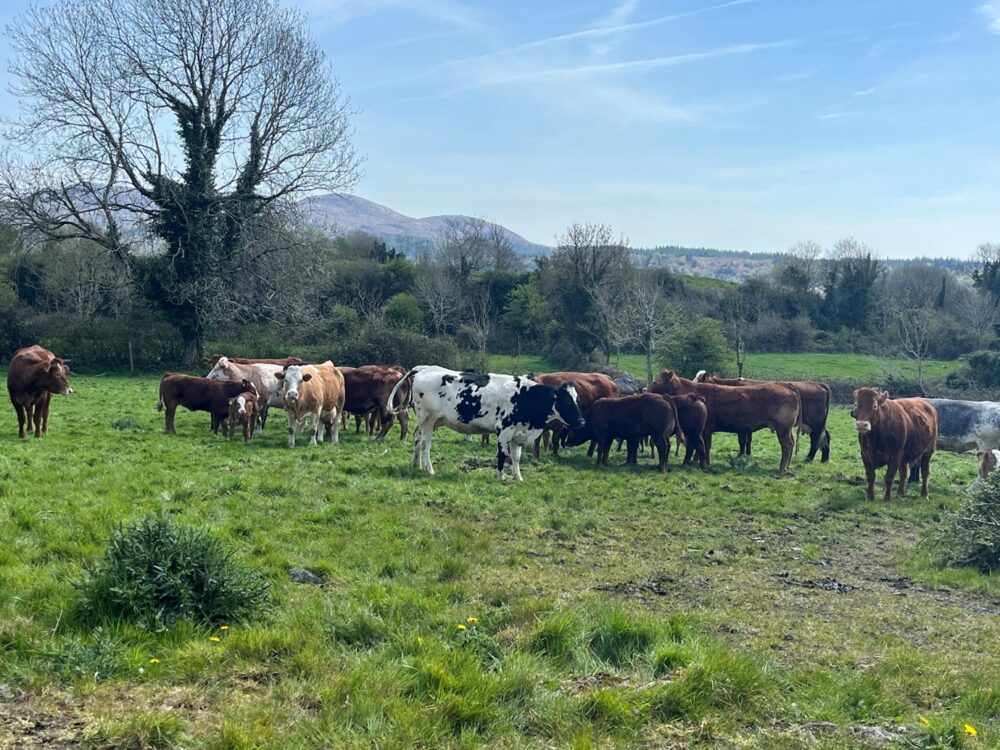
Figure 1: The LM stock bull is out with the cows since 20th April
Oliver is awaiting the arrival of the bluetongue vaccine in his local veterinary practice before he can vaccinate. He plans to administer 2 shots, 3 weeks apart to all the breeding cattle.
Grassland
Oliver had grazing ground fertilised with 38% protected urea on the outfarm in Sligo, which is drier than his home farm. He moved 20 cows and calves across with the stock bull and was debating turning out 10 heifers along with them.
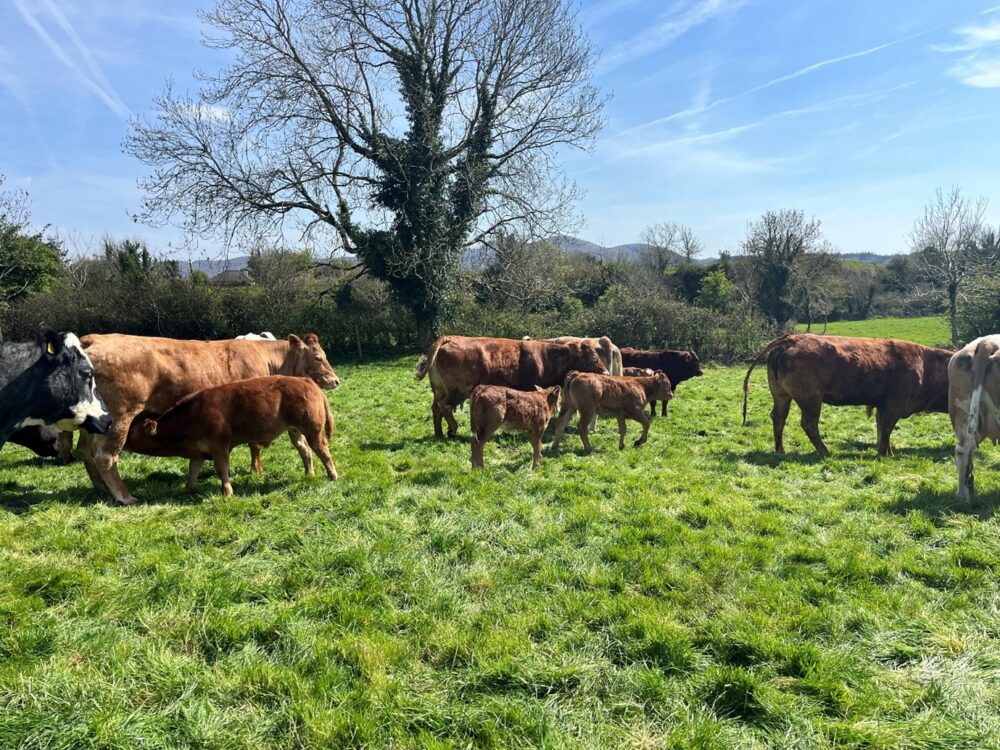
Figure 2: Cows and calves on the outfarm
He measured the grass on the farm which was 13cm (2250 kg DM/ha) on average across all the paddocks in one block. He then estimated the daily demand for the stock:
- 20 cows + calves x 18 kg DM/day = 360 kg DM/day
- 10 heifers (~600kg live weight) x 12 kg DM/day = 120 kg DM/day
- Total demand: 480 kg DM/day
With the 13 cm of grass converted to dry matter (13cm – 4cm residual = 9cm x 250 kg DM per cm = 2250 kg DM/ha), he calculated that there was 14,828 kg of dry matter available across the 6.59ha. When that was divided by the daily demand, it means that there were 31 days of grass available, without any further growth. The target for May is 12-14 days ahead so there was more than enough grass available to turn out the heifers with the cows.
It is extra work to make silage on the outfarm so Oliver has the option to turn out more cattle there, but will end up making bales. To monitor grass growth there going forward, he can use the Pasturebase app to simply input the grass heights, add in stock numbers and determine whether he needs to cut silage or move extra stock over. This would help to reduce the grazing demand on the home farm and give him the option of making extra silage closer to home which will save on diesel costs. For example, by taking out paddock 17 for silage, it reduced his days ahead to 16 days which is closer to the target for this time of year.
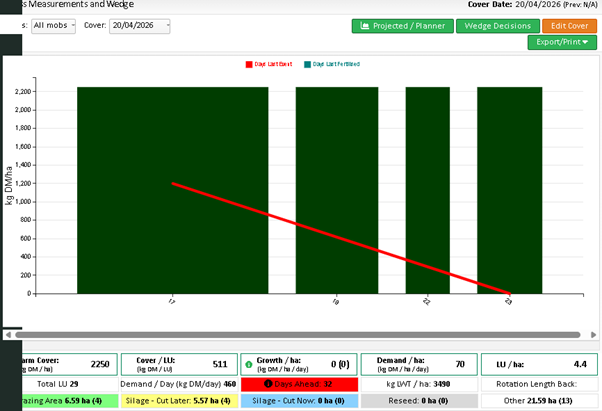
Figure 3: Grass wedge for the outfarm in Sligo on 20th April 2026
Financial
Oliver completed his profit monitor for 2025. There was no land change or difference in system versus 2024. He has analysed his 2025 cattle detailed report.
The output per livestock unit was 314 kg/LU. This is affected by everything that affects daily live weight gain on the farm; bull fertility, cow fertility, mortality, grass management, animal health, silage quality, ration fed etc. The target is over 350 kg/LU for a suckler system and 500kg/LU for a dairy calf to beef system. It increased from 291 kg/LU in 2024.
The stocking rate remained similar at 1.64 LU/ha, only a slight drop from 1.69 LU/ha in 2024. Like most Future Beef farmers, Oliver is well under derogation limits.
The gross output figure is calculated from cattle sales minus cattle purchases and add/subtract any changes to the inventory. Oliver had a gross output figure of €2527/ha which is the main ‘money in the pot’ to cover variable and fixed costs. This increased significantly from €1590/ha in 2024, which was already up from €692/ha in 2023.
The 3 biggest expenses on drystock farms are purchased concentrate, fertiliser and contractor costs. Oliver’s farm is no different with his biggest costs for the year;
- Ration €354/ha
- Contractor: €275/ha
- Fertiliser: €208/ha
In total, the total variable costs (€1337/ha) were 53% of the gross output figure, which is higher than the target of <50% for a suckler to weanling/store system. It is similar to 2024, but well down from 61% in 2023– mainly due to a higher beef price. This left a gross margin of €1,190/ha, which was well up on €740/ha in 2024.
The fixed costs were €1,022 for 2025 which is slightly higher than 2024 due to an increase in machinery running costs and machinery investment. For 2025 the cattle enterprise made €167/ha net margin which does not include any direct payments or subsidies, and is a significant increase from 2024.
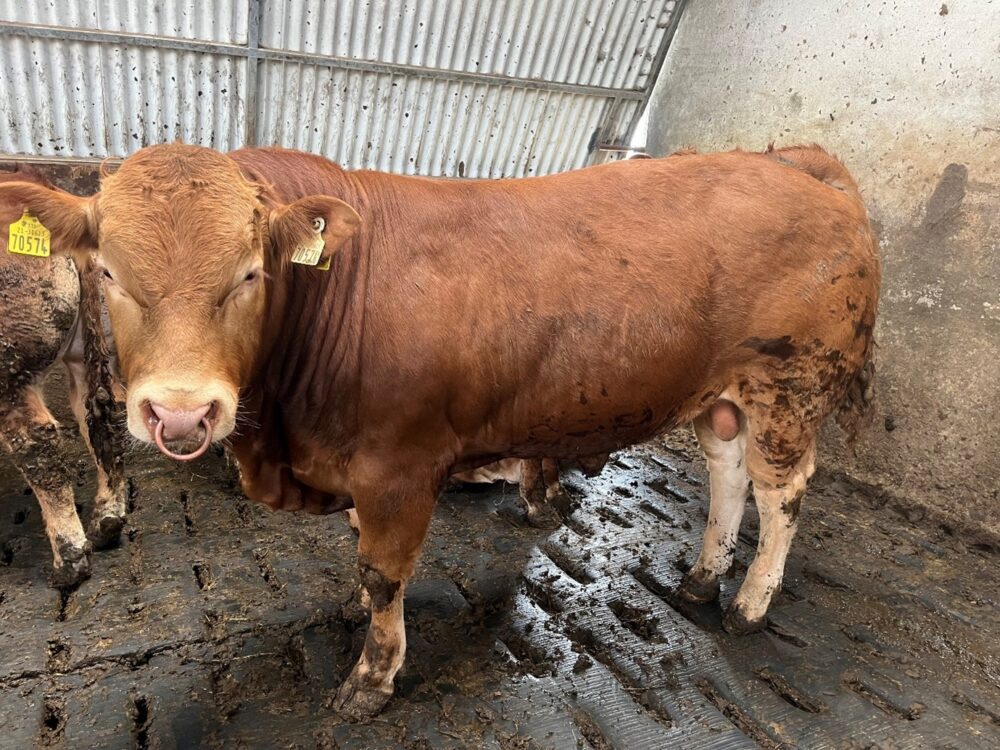
Figure 4: One of the pedigree breeding bulls to be sold in 2026