Media
- Watch video update from Olivia
- Includes breeding & silage update
- Details of her upcoming farm walk on Weds 29th July at 6.30pm
Olivia started her breeding season on 6th May. Up until 7th June, she had 9 out of 10 heifers and 34 out of 46 cows bred in the 4.5 week period. Two vasectomised bulls with the chin ball harnesses are bring used for heat detection, although the heifers were synchronised to reduce labour. The bulls are fitted with nose rings and chains and are treated as a normal bull would be.
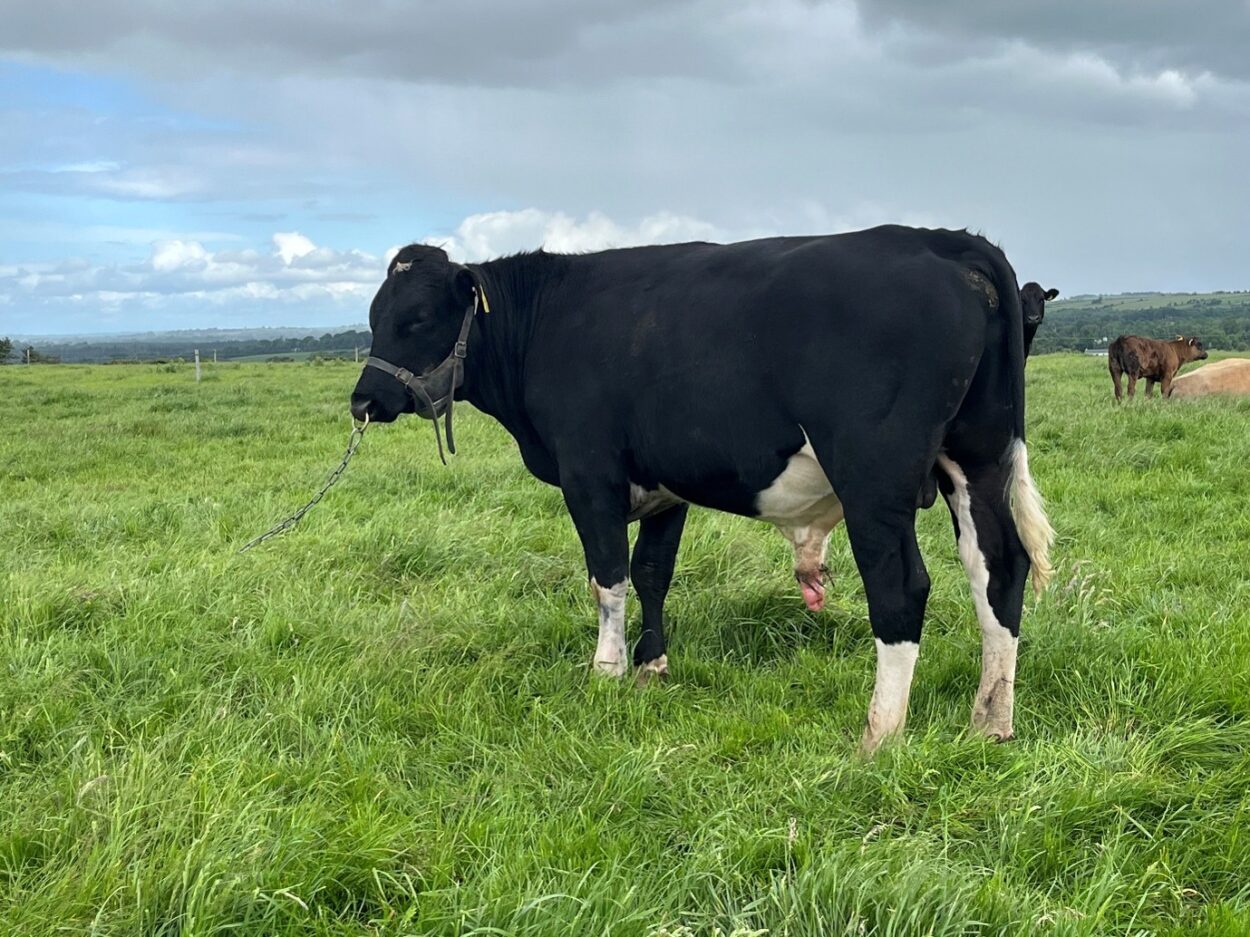
Figure 1: One of the vasectomised bulls being used on the farm
All females are being bred to 100% AI again this year as Olivia finds it really suits her system. Calving difficulty is her number one priority after 6 caesarean sections in 2025, followed by shape and colour (red and brown). While the cows in the herd are milky, it is often difficult to choose maternal bulls to breed replacements from that will maintain the colour in the male calves. This year some of the bulls Olivia is using include:
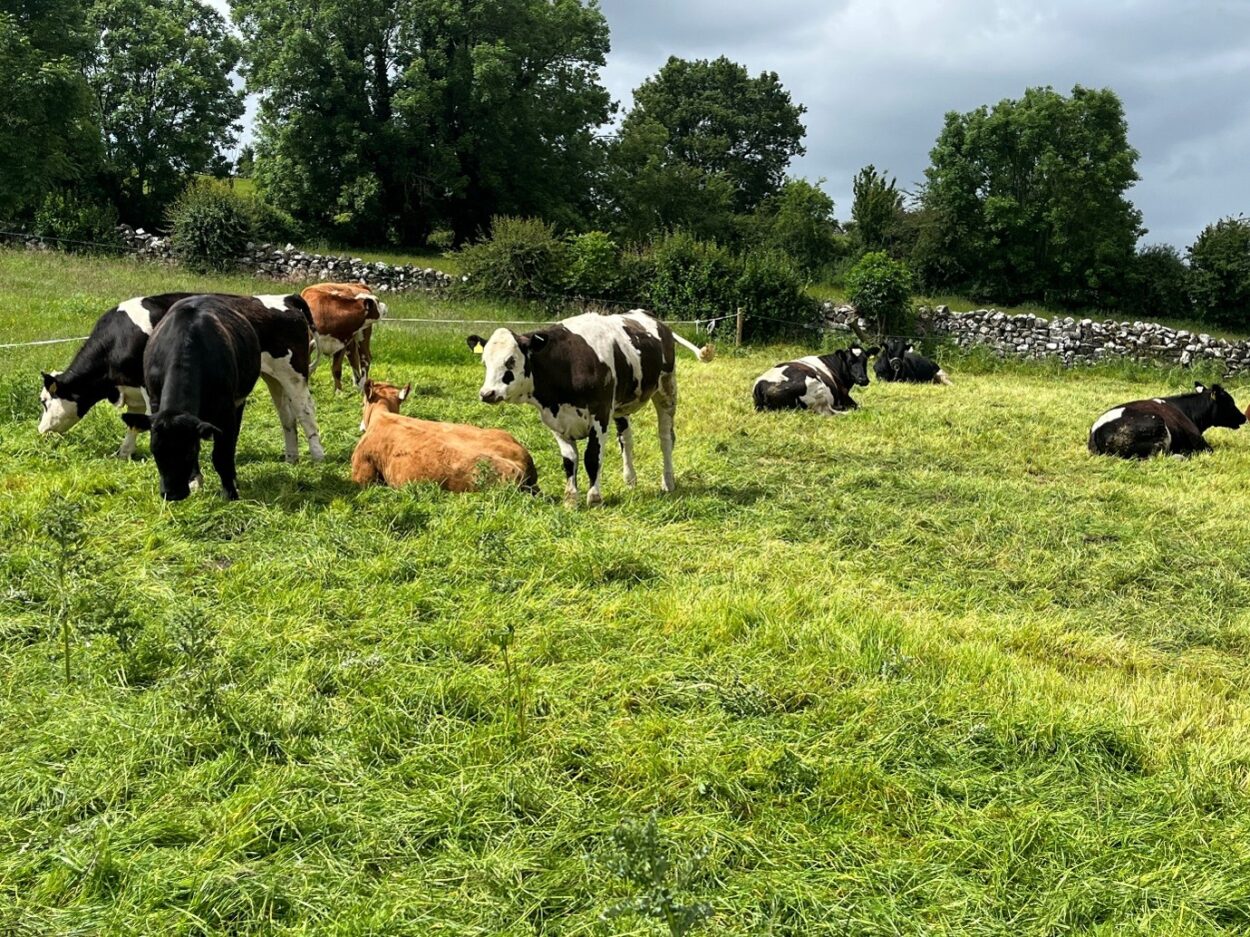
Figure 2: This year’s heifers were synchronised for their first serve
Olivia is very happy with this year’s calves and has had very few calving issues. On reflection on her calving report, the herd is performing very well. Calving started on 1st February and finished on 12th May, lasting 14 weeks. 34 cows and 15 heifers calved during that time.
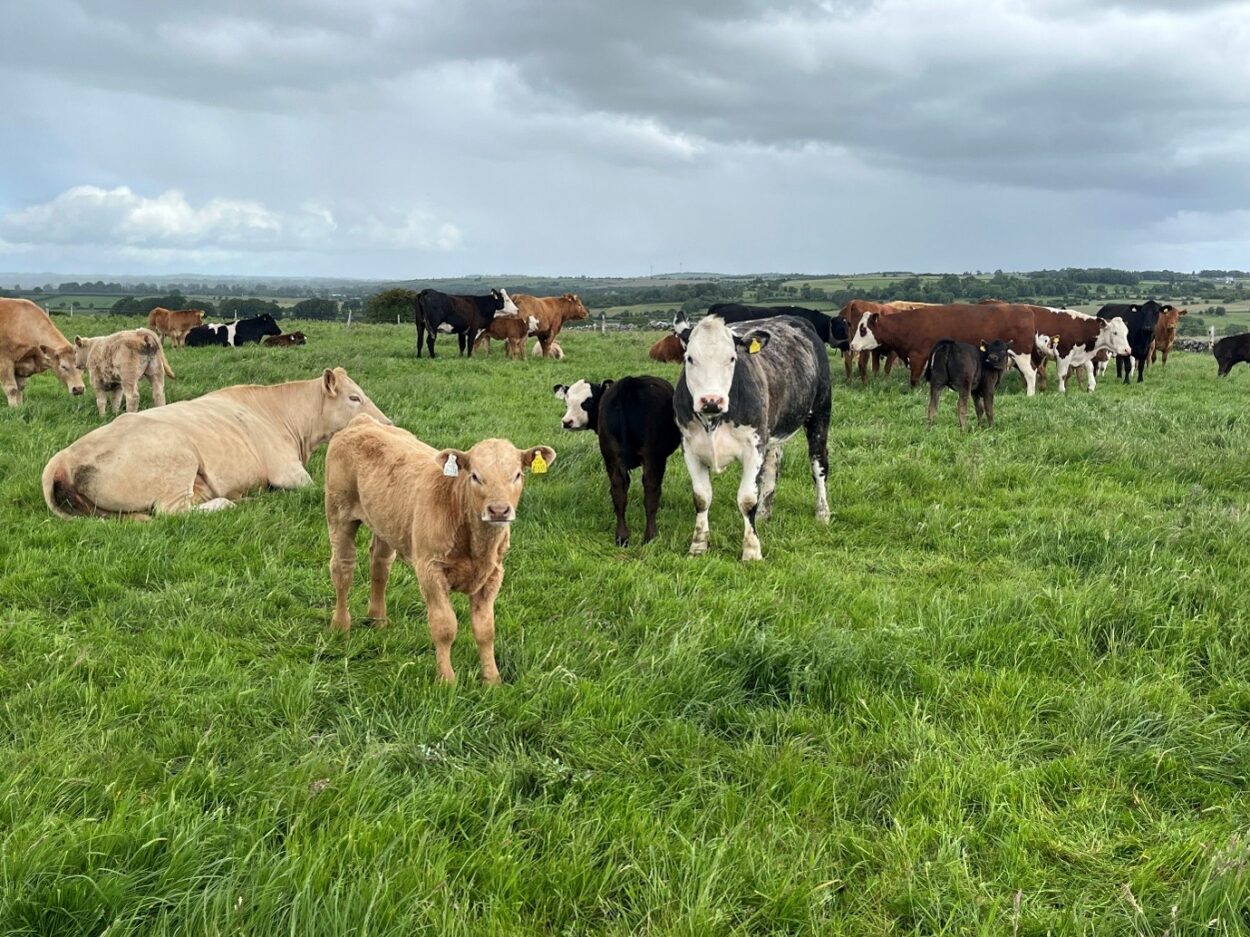
Figure 3: Some of the 2026 born calves with their cows
The calving interval for the herd is 357 days, below the target of 365 days and well below the national average of 400 days. Two calves died at birth, leaving a mortality at 28 days figure of 4.1% – below the target <5% but higher than the national average which was 2.11%.
The calves per cow per year is excellent at 0.98, ahead of the target >0.95 and the national average of 0.85. 47% of the heifers calved at 22-26 months of age, but 100% of Olivia’s home bred heifers calved at that age. The remainder were purchased in calf heifers. The national average figure for this in suckler herds is 19%. The 6 week calving rate finished at 55%, close to the national average of 56%.
No cows were recycled from one calving season to the next and 24% of cows were culled (12 total) since 2025 for age, infertility, milk and docility. Four cows have already been selected for culling this year.
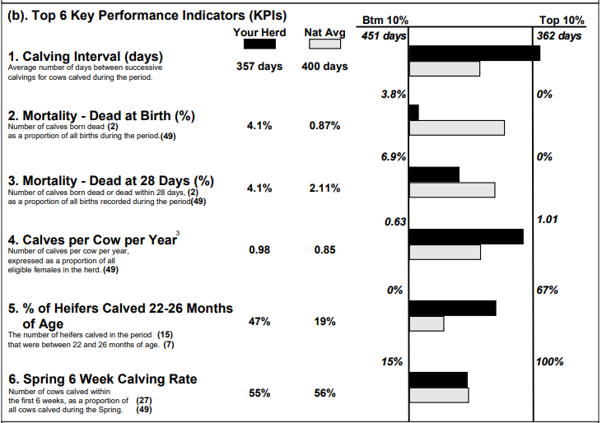
Figure 4: Beef calving report KPI’s for 2026 (Source: ICBF)
Olivia measured grass on the farm on 8th June. She had a farm cover of 726 kg DM/ha and a demand rate of 38 kg DM/ha/day. Demand is expected to drop slightly as the lambs are weaned from the ewes over the coming week. There were 19 days of grass ahead which is ahead of the target 12-14 days but Olivia is conscious of the increasing grass demand from the sucklers and would rather have a buffer. Strong paddocks can be taken out when the weather improves if necessary.
The silage fields were grazed and fertilised later than usual this year, so that pushed out the cutting date. The main crop of pit silage was harvested on 14th June when weather conditions improved. Aside from a few docks present, the quality was good and Olivia is looking forward to testing it to assess the quality in the autumn. Last year’s pit silage tested at 76.9% DMD with 15.81% crude protein which was excellent.
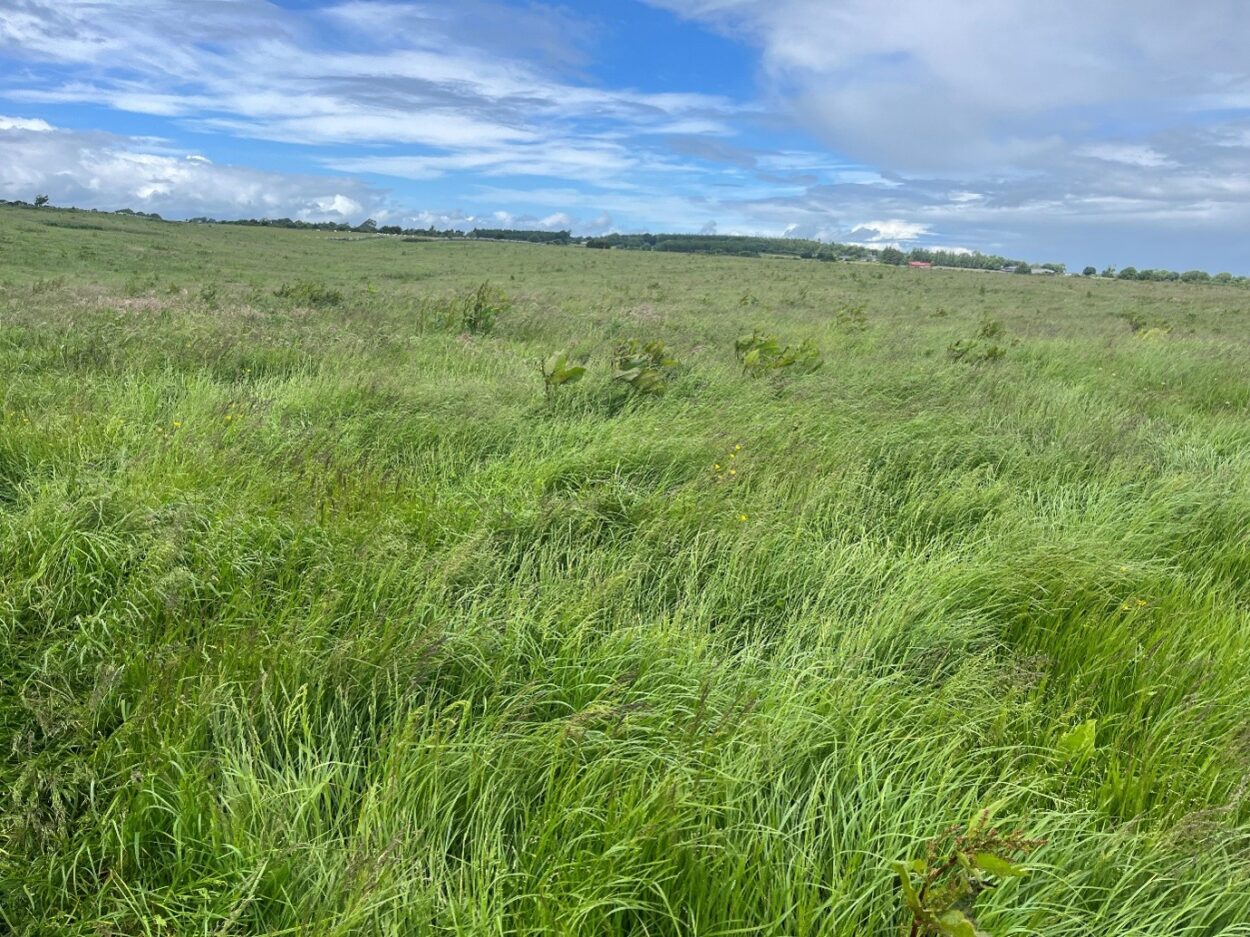
Figure 5: First cut silage crop pre-harvest