Performance
- 84% of calves born within six weeks.
- Bulls averaged 410kg carcass weight at 14.6 months.
- Heifers averaged 463kg, on track for 24-month calving.

Animal performance has been excellent across the board on the farm this year, from calving through to the performance of the young stock.
The first important KPI is the compact calving pattern. All cows calved within the three-month period from January to March, with 84% of the calves born during the first six weeks of the calving season.
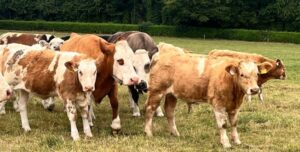
This is very visible when you look at the calves in the field, as they are an exceptionally even bunch. The compact calving pattern this year reflects the excellent breeding season and grass conditions experienced last spring.
All calves were born alive. Unfortunately, as outlined in the previous update, three calves were subsequently lost, which took some of the shine off an otherwise excellent calving season.
I will weight the cows and calves when I’m scanning, so hopefully that will be in the next week or so and I’ll update next time.
Grass supplies are now very tight, so my plan for the coming weeks is to introduce silage or hay to the cows and creep feed to the calves.
You will never get as good a conversion of meal to liveweight as when a calf is young, so I do not believe in scrimping on feeding them now.
Introducing creep feed should help me maintain calf performance while also reducing the demand being placed on the cows. This should help prevent the cows from losing body condition.
Once the calves are settled on meal, I can wean them at any stage, particularly if the dry conditions continue.
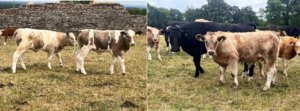
Figure 1 selection of Ruairí’s 2026-born calves, showing the evenness of the group
The performance of the young bulls exceptional this year and I was delighted with it.
I had all the bulls slaughtered by May 13 at an average age of 14.6 months. They achieved an average carcass weight of 410kg, an average grade of U- and an average fat score of 3=.
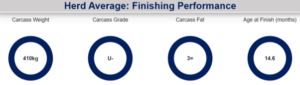
Figure 2 ICBF Finishing Profile results for young bulls 2026
This was another improvement on my 2025 performance, when the bulls were slaughtered at an average age of 14.9 months, with an average carcass weight of 389kg and a similar U- 3- grade.
Compared with last year, the 2026 bulls were:
Finishing the bulls 10 days earlier also saved me feed costs. At an allowance of approximately 8kg of concentrate per bull per day, this represented a concentrate saving of almost €30 per head.
When I include the silage saving, the total feed saving was approximately €40 per bull, not to mention the reduction in workload, the yard was empty.
| Ruairí Cummins’ Young Bull Performance: 2025 versus 2026 | |||
| Performance Measure | 2025 Bulls | 2026 Bulls | Improvement in 2026 |
| Average slaughter age | 14.9 months | 14.6 months | 10 days younger |
| Average carcass weight | 389 kg | 410 kg | 21 kg heavier |
| Average carcass grade | U- | U- | Maintained |
| Average fat score | 3- | 3= | Similar |
| Estimated feed saving | — | €40 per head | Earlier finishing |
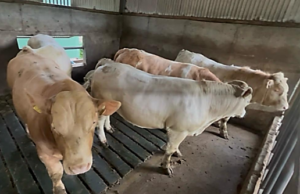
Figure 3 Selection of Bulls finished in May
I put much of this performance down to the attention given to the bulls before and during weaning.
I forward creep grazed the calves and introduced them to meal before weaning. I also dosed and vaccinated them in advance, which meant there was no major health or performance setback during the weaning and housing period.
I then fed the bulls good-quality silage and concentrates throughout the winter. I also improved ventilation in the finishing shed, which helped maintain respiratory health and animal performance.
The replacement heifers are also performing exceptionally well.
Since I weighed them in May, the heifers have gained an average of 1.28kg per head per day. This is up from an average daily gain of 0.91kg per head per day between March and May.
The heifers now weigh an average of 463kg and are well on target to calve at 24 months of age.
They ran with the Limousin bull during the breeding season. Unfortunately, I have not had them scanned yet, as the scanner was called away when the original visit was scheduled.
There has been little or no breeding activity visible in the field recently, so I am hopeful that the majority of the heifers are safely in calf.
Once I get them scanned, any heifers that are not in calf will be identified for feeding and sale.
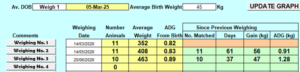
Figure 4 weight recording on Ruairi’s 2025 born heifers
Like many farms across the southeast, grass is desperately tight on my home farm.
There is more grass available on the Ballyhall land, where the replacement heifers are grazing, but growth on the home block has almost completely stopped.
Back in June, I applied a little additional fertiliser. Thankfully, I got a good response before conditions became extremely dry. It bulked up the grass and helped carry the farm forward.
However, after almost five weeks without any significant rainfall, grass growth has now virtually stopped.
Despite the tight grass supply, the cattle are content. They are spending considerably longer in each paddock, but once they have plenty of clean water and shade, they remain settled.
The first-cut silage crops were excellent.
The main first cut was harvested on May 23 after growing for around six to seven weeks. It yielded an average of 11 bales per acre. I would say that is about a bale above average, and it is really good-quality silage.
One paddock that had become too strong for grazing was cut on June 13. I made this as cow silage and it yielded 70 bales from 6.5 acres.
In total, the first-cut silage produced 278 bales.
Just a note on fertiliser: in Ballyhall, I added an extra bag of muriate of potash per acre to fields that were low in potassium (K), and I really saw the benefit. I could not believe the bulk, and I will be doing it again in the future.
The second cut was harvested on July 5. It was not as impressive as the first cut, as the dry conditions were beginning to restrict growth. However, it still produced 112 bales, around six bales per acre.
I also saved a further 80 bales of hay.
Including the 45 bales carried over from last winter, the total fodder I have available is:
| Fodder type | Quantity |
| First-cut silage | 278 bales |
| Second-cut silage | 112 bales |
| Silage carried over | 45 bales |
| Total silage available | 435 bales |
| Hay | 80 bales |
I like to have approximately 400 bales of silage available for the winter. This will get me through to April, if needed.
With the 435 bales I have, that leaves me 35 silage bales that could be fed during the present dry period, while still keeping my winter reserve. I also have the 80 bales of hay available.
The breeding season finished on June 15, when the stock bulls were removed from the cows.
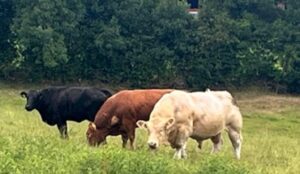
Figure 5 Stock bulls retired for the season
The cows are now in the critical first month after breeding, so maintaining a consistent level of feed intake is a priority for me.
I do not want the cows to experience a severe drop in nutrition during the month after breeding. A sudden restriction in feed intake at this stage can increase the risk of embryo loss significantly, with research showing losses may rise by up to 50% in some circumstances. With grass supplies extremely tight, I have taken several steps to reduce demand, simplify the system and protect pregnancy.
Firstly, I combined the two groups of cows and calves. This has reduced the number of grazing groups and made the day-to-day management easier.
I plan to introduce hay to the cows, along with some oats to help maintain their energy intake and body condition. I will also introduce creep feed to the calves, reducing their dependence on milk and easing the nutritional demand on the cows.
My priority is to act early and avoid any sudden check in nutrition, giving the recently bred cows the best possible chance of holding to service.
I also had five steers weighing over 500kg. I decided to sell them through the mart because there was a strong price available. Taking them off the farm immediately reduced the demand for grass and simplified the system.
I will have the breeding stock pregnancy scanned shortly. Once scanning is completed, any cows or heifers that are not in calf will be earmarked for feeding and sale.
These decisions will make sure the available grass and fodder are directed towards the most productive animals, while protecting pregnancy, cow condition and calf performance.
There is little point in me spreading fertiliser until we receive at least 30–40mm of rain here in Kilkenny.
Spreading fertiliser onto extremely dry soil would be a waste of money, as there is not enough moisture to generate a worthwhile grass response.
I have asked my advisor to update the farm’s nutrient management plan so I am ready to act once sufficient rain arrives.
When conditions improve, I plan to apply approximately 20 units of nitrogen per acre.
On the home farm, I will likely apply this using 18-6-12. On the Ballyhall land, I may use 13-6-20 because the soil phosphorus and potassium levels are lower there.
I have also applied approximately 50 tonnes of lime across the home farm. I am hoping this will improve soil fertility and release additional available nitrogen and phosphorus once the rain returns and soil conditions improve.
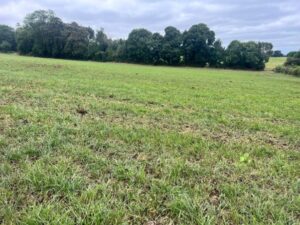
Figure 6 Silage field cut three weeks ago and spread with farmyard manure, now waiting for rain
I currently have five acres sprayed off for reseeding.
I spread farmyard manure and two tonnes of lime per acre on the field in preparation for sowing. However, it may now remain unsown until sufficient rain arrives.
Once conditions improve, I will disc the field, sow it using a one-pass system and roll it. I also have 13-6-20 fertiliser held in reserve to apply after sowing.
The grass seed mixture I am using is a Solohead mixture containing:
2.50kg Abermagic Ryegrass
2.50kg Aberspey Ryegrass
2.50Kg Abersevern Ryegrass
2.50Kg Aberclyde Ryegrass
3.00Kg Aberclaret Redclover
1.00Kg Aberswan White clover
This mixture has worked very well for me on the farm previously.
There is no benefit in me rushing to sow the field into dry soil. Waiting for adequate moisture should give the grass and clover seedlings a much better chance of establishing successfully.
Video 1 Reseed sprayed, spread with farmyard manure & lime
The dairy-bred calves are also performing well.
I gave them a mineral bolus recently because their coats were beginning to look slightly brown. I also treated them with an ivermectin product and increased them to 2kg of concentrate per head per day.
Grass is very tight, and I do not want the calves to suffer a setback in performance.
The additional concentrate should help me maintain their growth rates.
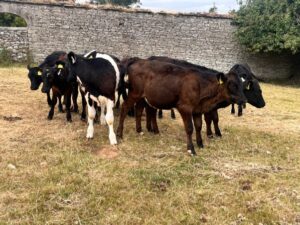
Figure 7 Dairy-beef calves grazing in the walled garden and receiving 2kg of concentrate per head per day
I had originally planned to treat the suckler calves with an ivermectin product.
However, they are not coughing or scouring and are showing no obvious signs of a parasite burden. After discussing it with my advisor, I decided to delay treatment and keep monitoring them closely.
When rain eventually arrives after such a prolonged dry spell, there may be a rapid increase in lungworm larvae around dung pats and contaminated grazing areas.
I will therefore watch the calves carefully for any signs of coughing or respiratory difficulty after the weather changes.
I may then time treatment to coincide with the weaning and vaccination programme, reducing the number of times I need to handle the calves.
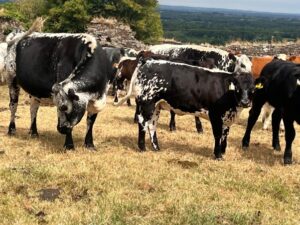
Figure 8 Speckled Park Calves
I will treat the cows with a pour-on. There are a lot of flies about and my cows are milky. The last thing I want is mastitis, and I can see the cows and calves kicking a lot. I do not like using a pour-on too often because it is not ideal for the environment, but I will not risk the welfare and performance losses that mastitis could cause.
My main priorities over the next number of weeks are to:
Despite the extremely difficult grass-growing conditions, the strong animal performance and excellent winter fodder reserve give me options.
My focus now is on reacting early, reducing demand where possible and protecting the performance already achieved.