



Grassland
Wesley reseeded 9 acres at the end of August. It was sprayed with glyphosate to burn it off approx. 10 days before sowing.
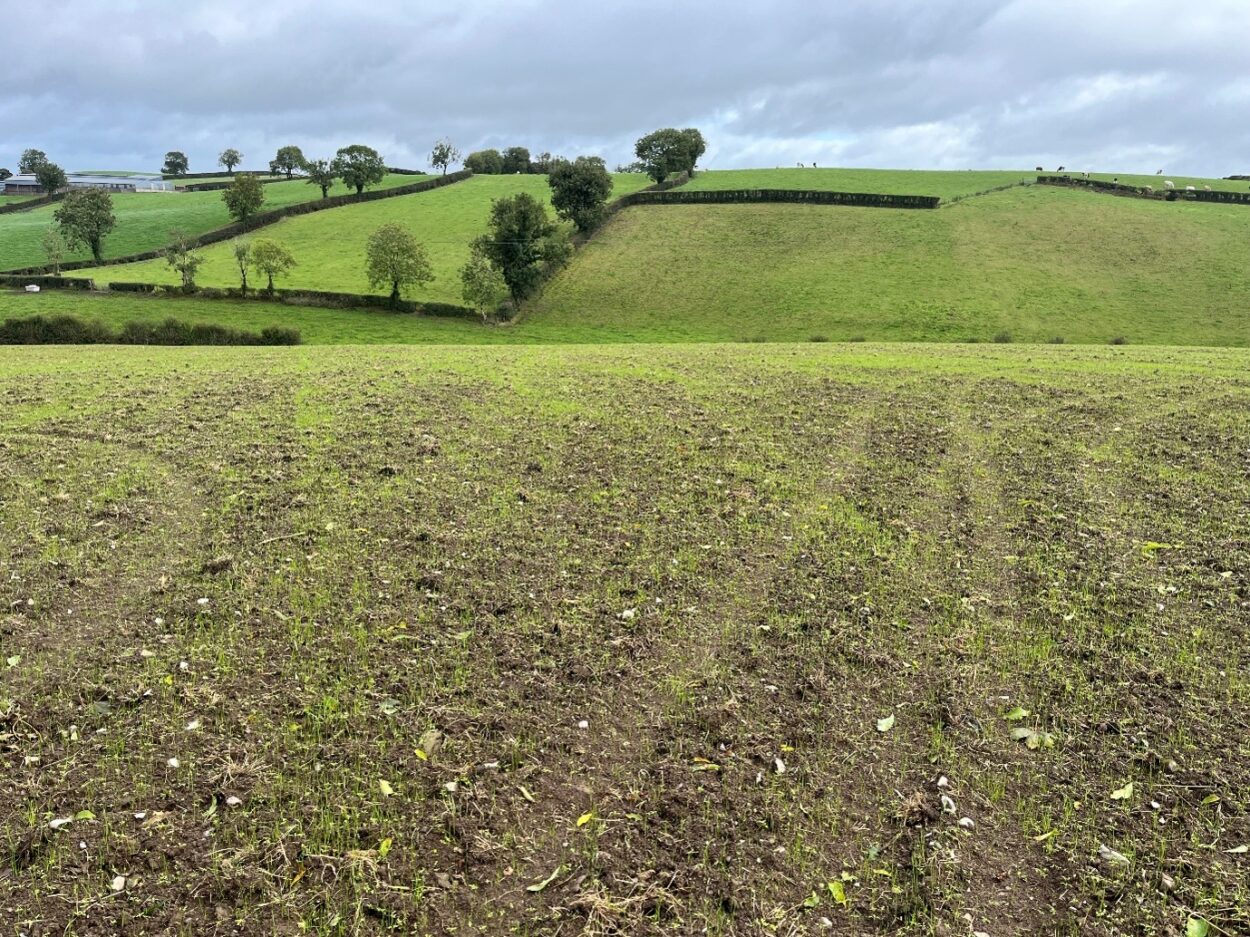
Figure 1: Grass seed striking 2 weeks after sowing
The land was subsoiled to help drainage, slurry was spread at a rate of 2000 gallons/acre to help seed establishment and lime was spread at 2t/acre to help increase the soil pH. The seed was sown by min-till to avoid disturbance of the soil and was not rolled after sowing.
The seed mix contained the following grasses:
- Abergain (perennial ryegrass)
- Gracehill (perennial ryegrass)
- Aberchoice (perennial ryegrass)
- Aberbann (perennial ryegrass)
- Aberherald (white clover)
- Aberswan (white clover)
Unless weather conditions allow, Wesley doesn’t expect to graze it this autumn but will have it available to calved cows in early spring for its first grazing.
He also took the opportunity to control docks this year with the good weather conditions. His contractor used the RumboJet 880 machine, which is an AI-powered, tractor-mounted spot-spraying system designed for selective weed control in grass swards. The computer software has been programmed to identify all the main weeds that feature in grassland swards at their various growth stages which include docks, ragwort, thistle, dandelion, and buttercups. When it identifies them, the spray is released.
He sprayed 17 acres (6.88 ha) at a rate of 0.8 litres of spray (2L/ha) to 100 litres of water (247L/ha) per acre that cost €40/acre including contractor costs.
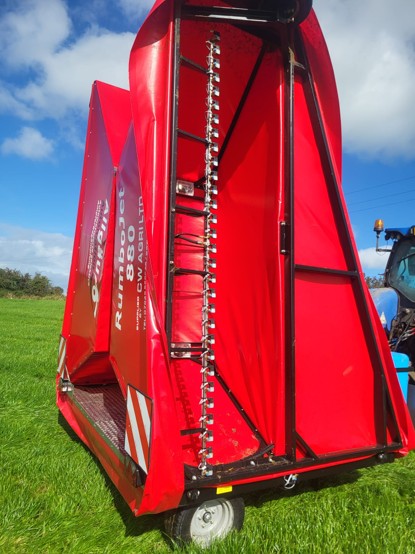
Figure 2: Rumbojet 880 sprayer used for dock control
Performance
The last load of finishing bulls were sold on 26th August, with 41 sold in total this year. Their average age at finish was 15.7 months and they averaged 394kg carcass weight, graded U-4- and made €2642/head on average.
In comparison to 2025 they were lighter, older and made €684 less per head. The 2025 bulls (41) were 15.3 months of age on average, were 424kg carcass weight and graded U=3= making €3326/head on average. Wesley is attributing the difference to a bad respiratory infection that impacted weight gains over winter. He has looked at improving ventilation in the shed by using fans but the installation and running costs are high. He plans to vaccinate them this year to start. There were also more Angus bulls in this year’s bulls which may have contributed to the lower carcass weights.
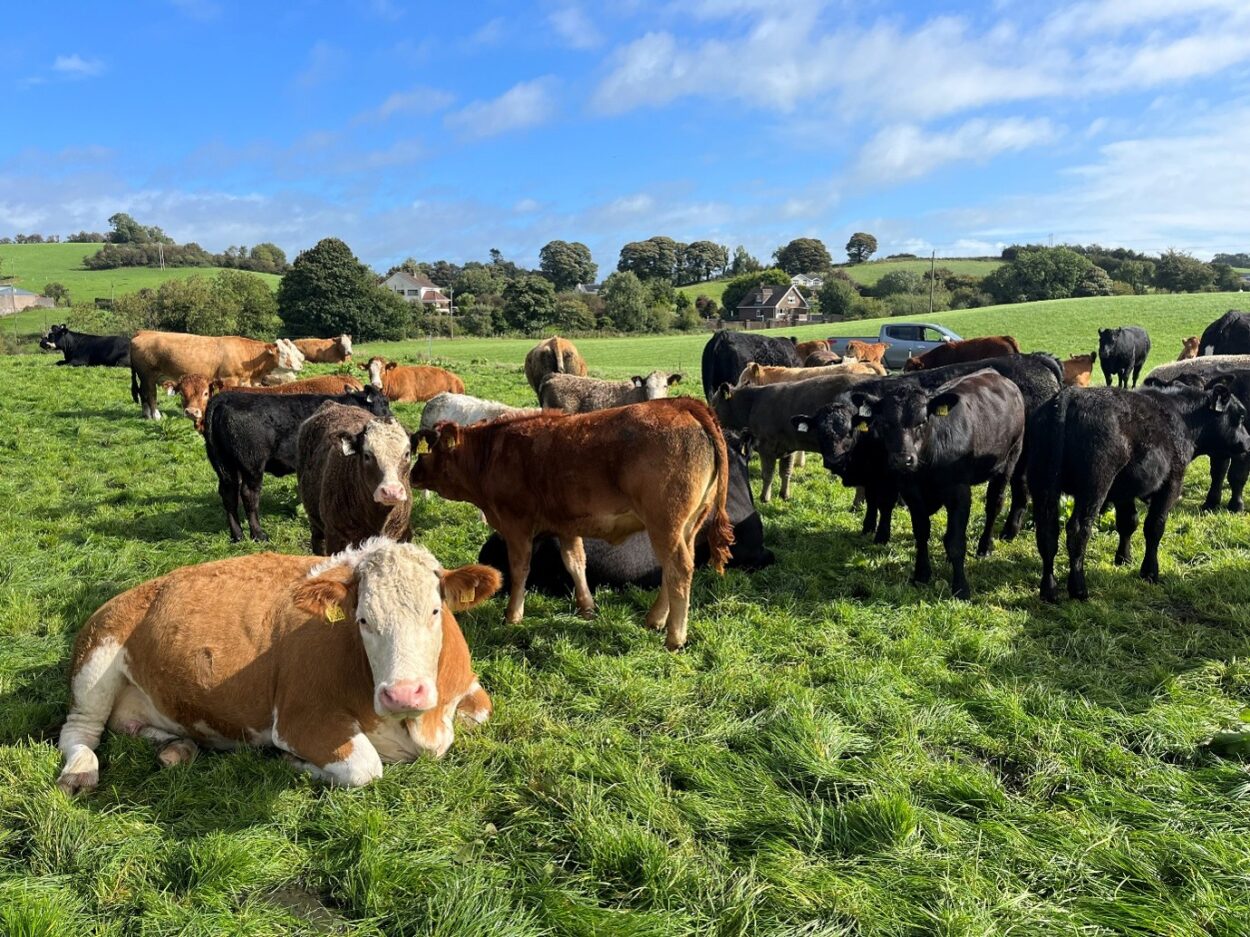
Figure 3: Some of this year’s calves with their cows
6 cull cows and the Simmental stock bull were sold to the factory on 9th October.
Financial
Wesley is in the early stage of investigating the investment into an agricultural drone for the farm. His proposed purpose would be to carry out spray and fertiliser applications during the year. The most suitable one is costing around €29,000 so Wesley is considering it carefully.
Potential advantages include:
– Preventing field damage: a drone doesn’t need a tractor or sprayer travelling across soft ground, reducing the risk of soil damage.
– Awkward fields: useful potential around steep slopes, irregular field boundaries and areas that are difficult to reach with machinery.
– Less ground traffic: no tractor compaction from the spraying operation itself.
– Targeted treatment: aerial mapping and suitable sensors may help identify problem areas before deciding where treatment is needed.
– Time flexibility: potentially helpful when spraying windows are short and labour is limited.
Potential disadvantages include:
– High cost per acre: 143 acres is a limited area over which to spread the purchase and maintenance costs.
– Weather dependency: wind and rain can reduce the number of suitable operating hours.
– Limited payload: a small liquid load means frequent refilling compared with conventional spraying equipment.
– Additional costs: batteries, chargers, spare parts, insurance, training, repairs and transport all matter.
– Application effectiveness: coverage, droplet size, drift and the approved application method need to suit the treatment.
– Regulation: don’t assume aerial application of pesticides is permitted simply because the drone can carry a sprayer. Irish pesticide rules include a licensing requirement for aerial spraying. Check the current requirements with DAFM before budgeting for commercial spraying.