

Edited By
Ciaran Collins
Crops Specialist
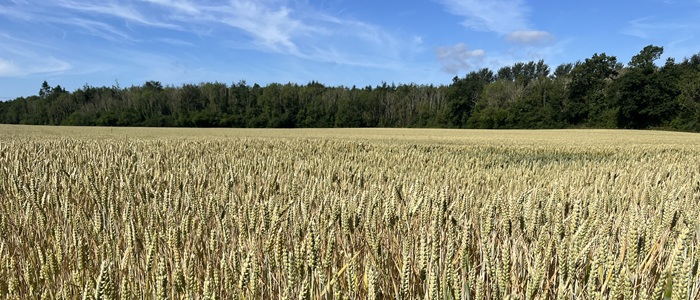
Welcome to the Teagasc Tillage Advisory Newsletter for July. With harvest 2026 fast approaching, Teagasc Crops Specialist, Ciaran Collins shares advice on establishing cover crops, urges growers to avail of resistance testing and provides farmers with key reminders on the straw incorporation measure and glyphosate use.
Top tips for July
- Sow cover crops early – 2t DM/ha loss for each three-week sowing delay in Teagasc mustard cover crop experiments.
- Order cover crop seed in time and consider crop rotations when choosing cover crop species.
- Stubble cultivation no longer mandatory.
- Straw Incorporation Measure (SIM) – straw must be incorporated into the soil.
- Take note of uncontrolled weeds in crops. Get herbicide resistance testing done where herbicide resistance is suspected.
Cover crops
Sowing date of cover crops is crucial. The more growth that takes place, the more nitrate will be taken up. Large biomass production is vital to maximise the benefits of cover crops and early sowing is essential to achieve good autumn growth and subsequent large biomass.
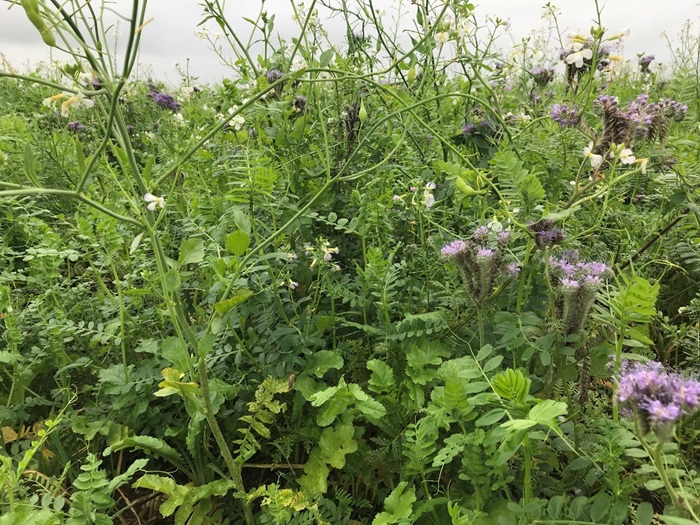
Figure 1. Sow cover crops early to reap the benefits
Experiments at Teagasc Oak Park to demonstrate the effects of sowing date on biomass production showed that there was a linear reduction in the amount of biomass produced as sowing date is delayed (Figure 2). The mustard in the experiment lost 2t DM/ha for each three-week delay in sowing, so the clear message from the experiments is to plant cover crops as soon as straw is removed to reap the benefits.
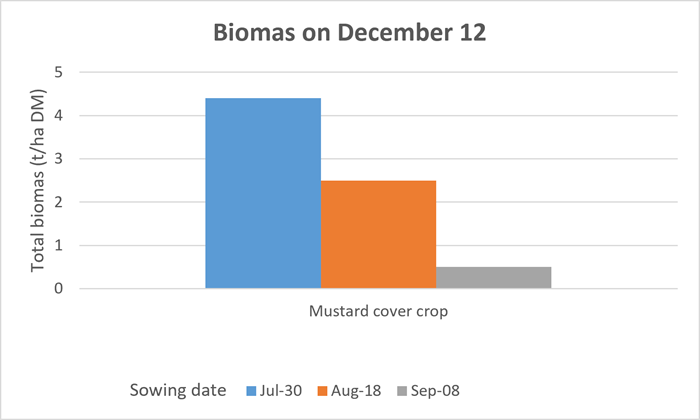
Figure 2. Effects of sowing date on biomass production
Other benefits from cover crops include improved soil structure, reduced compaction, increased water infiltration and reduced risk of soil loss in periods of heavy rainfall.
Resistance testing (grass or broadleaved weeds)
Are weeds still present in your crop at harvest? This could be a sign of herbicide resistance.
Avail of free herbicide resistance testing from Oak Park for grass or broad-leaved weeds in tillage crops.
Target fields:
- Where weed control is poor after herbicide use,
- Where the same herbicide is used every year,
- You suspect herbicide resistance.
We will test your weed and let you know the best herbicide and integrated weed management strategies to control this weed.
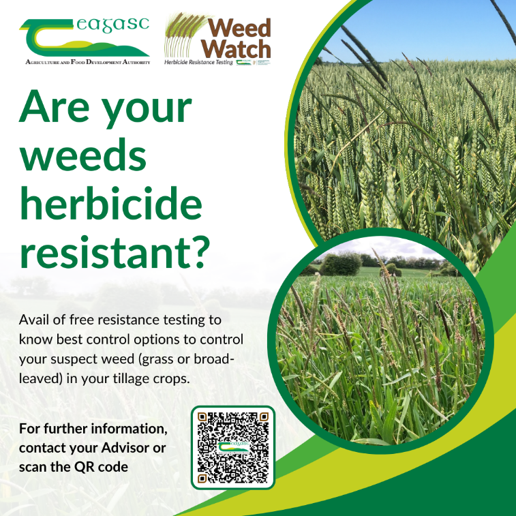
Figure 3. Avail of free herbicide resistance testing.
Glyphosate use at harvest
Glyphosate can no longer be used for harvest management; this applies to all crops including oilseed rape.
- Harvest management for oilseed rape not allowed, now weed control only same as cereals.
- Pre harvest weed control only allowed when cereal crop is > BBCH 87 & grain/seed moisture <30%.
- Pre harvest on beans not allowed in any circumstances.
Pre-harvest crop walks
The weeks leading up to harvest provide one of the best opportunities of the year to assess crop performance. While the combine will ultimately measure yield, it cannot explain why one field outperformed another.
Walking crops before harvest allows growers to evaluate establishment, variety choice, disease control, nutrition and weed management while the evidence is still visible. Taking note of what worked well, and just as importantly what could be improved, provides valuable lessons that can help refine agronomy, increase crop performance and improve profitability in future seasons.
Read more here: Pre-harvest crop walks – some of the most valuable hours of the farming year
5 practical steps to improve water quality on your farm this July
The Teagasc Better Farming for Water Campaign shares 5 top tips to protect water quality on your farm this July.
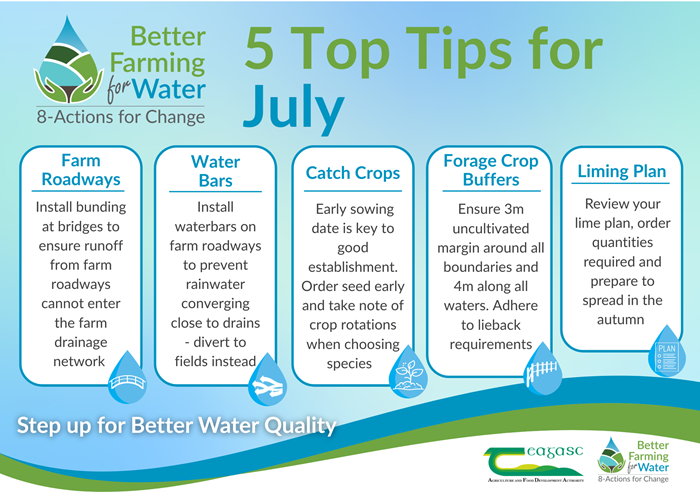
Figure 4. Better Farming for Water – 5 top tips for July
Teagasc Tillage Edge podcast
For all the latest tillage news the Teagasc tillage podcast is available on the Teagasc website, Apple Podcasts or Spotify. Listen to some recent episodes below:
Keep up to date with Teagasc
Teagasc offers a suite of digital products – ranging from insightful podcasts, trusted eNewsletters, social media, website and mobile app channels – to provide you with the latest news, information and knowledge.