
Breeding
- Breeding season finished, lasted 14 weeks
- Mineral issues caused fertility issues
- Cows and heifers due to be scanned
35 females, including 9 heifers were bred this year. So far Michael suspects that 4 are not in calf and will be scanning the remainder in late August/early September. Breeding lasted 14 weeks in total this year, starting on 16th April and finishing on 24th July.
26 of these had to be synchronised to start them cycling. In total, 1 female was served 5 times, 6 females were served 4 times, 5 females were served 3 times and 9 were served twice. Michael identified early on that there was an issue with the fertility as he would expect 70% conception rate to first serve and only 10-11 cows repeating. 21 repeating after the first serve was evidently much higher than that.
Milk samples were taken and sent for analysis. The results showed high levels of Iodine, Selenium, Cobalt and Molybdenum. Michael stopped supplementing with iodine through the water with Aquadyne tablets after receiving the results on 13th July. He is considering investing in a water/mineral pump system to administer minerals through the water on the farm on a more consistent basis. The system itself will cost €900. Mineral options include:
The high Iron and Molybdenum appears to be locking up copper on the farm, and iodine is also low when not supplemented so Michael is trying to identify the best way of supplementing both for the best performance.
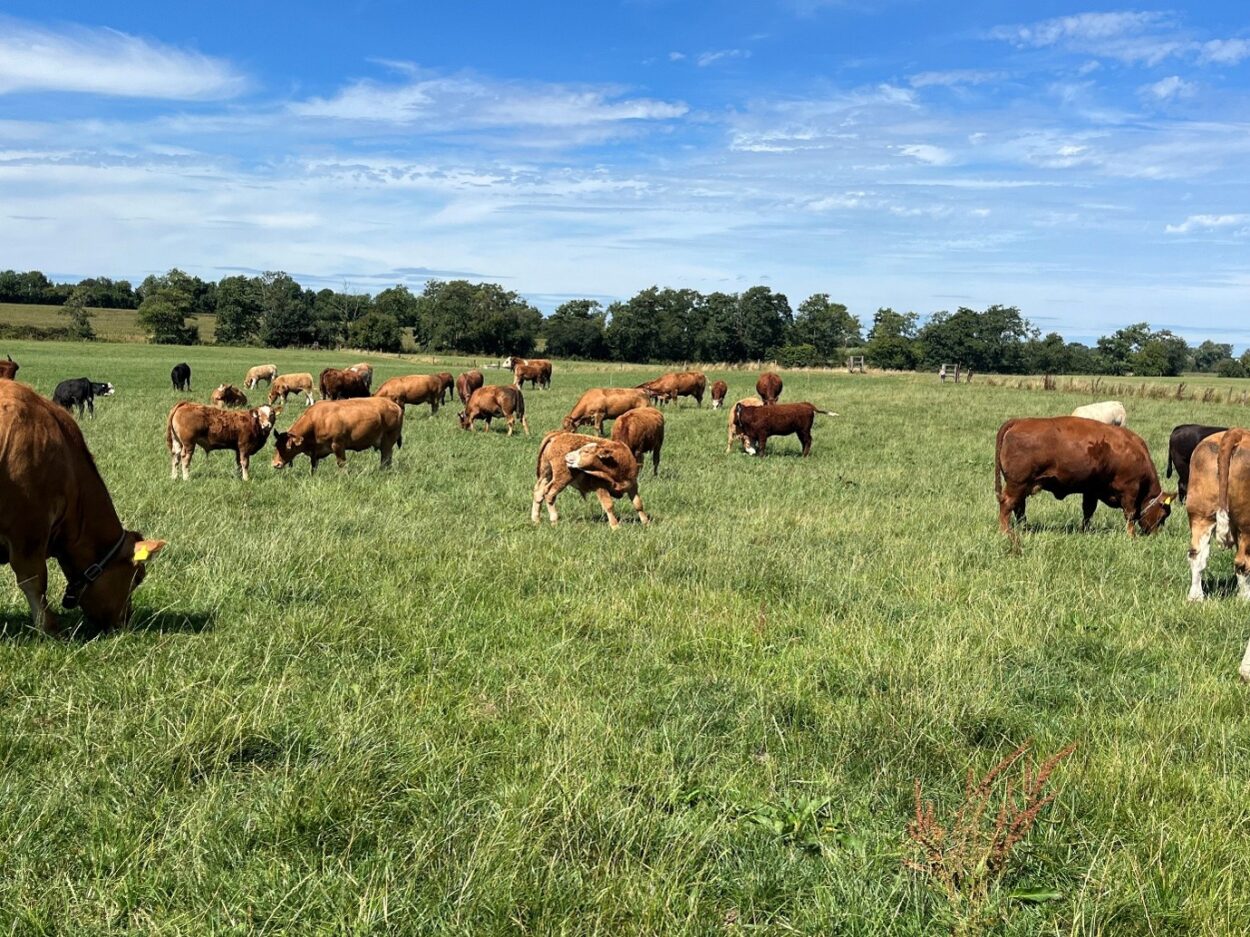
Figure 1: Cows and calves at grass
Two cows tested as ‘inconclusive’ in the herd test earlier this year. After 2 negative blood tests they have tested clear in a subsequent skin test and the herd is now no longer restricted. Michael expects that 1 of these may be in calf, and the other cow was not bred and will be sold this year regardless.
Preparation for weaning is ongoing and the 2026 born calves were vaccinated with Bovipast and IBR marker live on 25th August to help prevent respiratory disease. They will be due their Bovipast booster on 22nd September and will be weaned approximately 2 weeks later when they will have immunity. Michael uses the anti-suckling nose paddles for weaning on the farm as he finds they work very well to break the maternal-offspring bond. They will have them for 5-7 days and then the cows will be removed from the group as the nose paddles are removed. Calves will also be fed ration for 4 weeks pre-weaning and 2 weeks after.
Back in June Michael was wondering whether to finish his store cattle from the shed or to finish them from grass. The cost comparison below estimates that he would be financially better off by €80/steer (€1,120) to start feeding in early August for finishing off of grass. It was based on 14 steers that weighed 535kg on 16th June. Note that these options do not account for any mortality, labour or fixed costs for shed/slurry handling etc. and is based on cattle achieving the performance targets outlined below. The estimated beef price includes all potential bonuses and assumes the same price on both days.
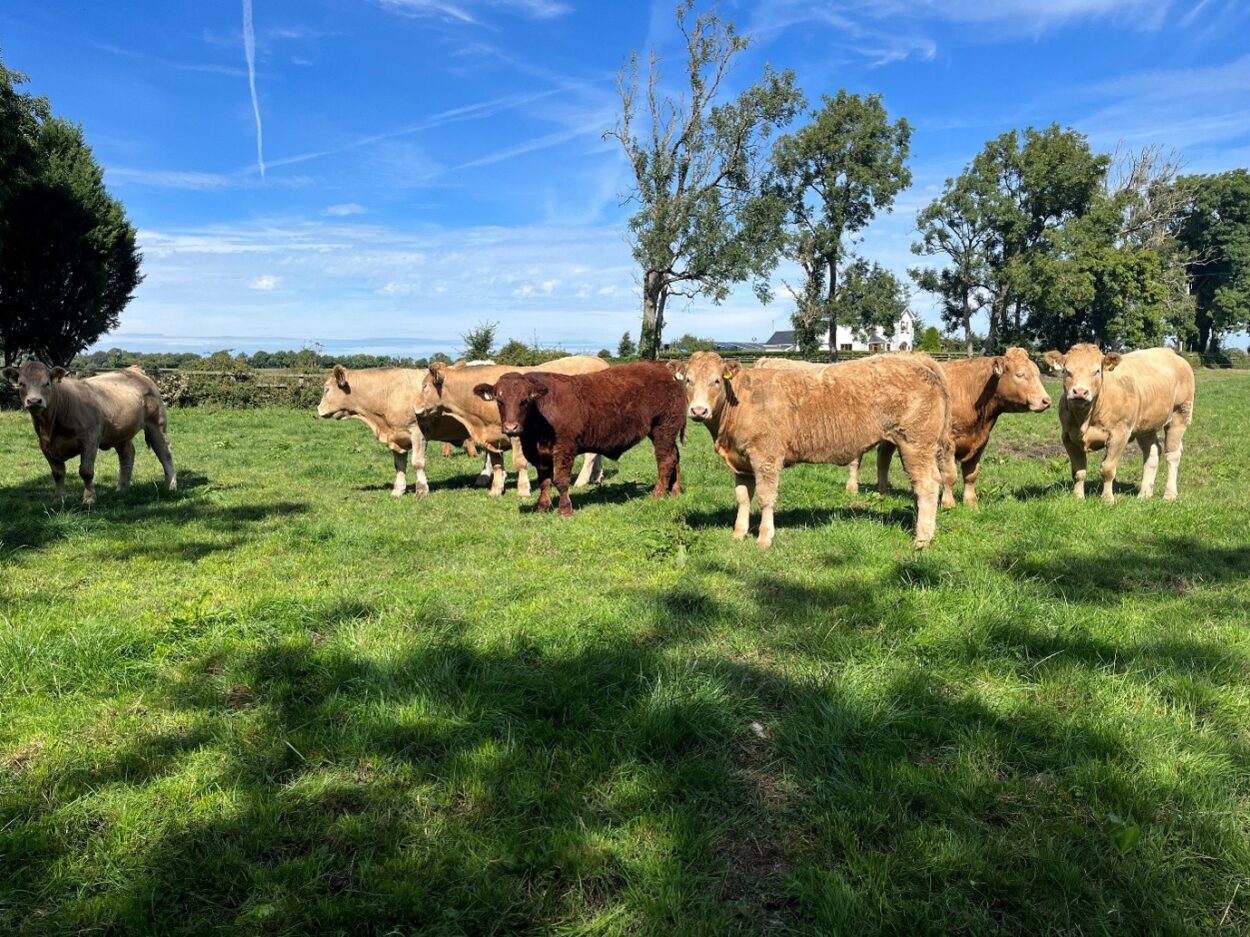
Figure 2: Store bullocks that were born in 2025
Option 1: Feed at grass
Option 2: Feed in shed
Based on this analysis Michael decided to start feeding the steers at grass. They are currently eating 3kg/head/day in one feed, along with good quality grass. Their latest weight on 11th August showed that they averaged 614kg after gaining 1.13 kg/day since 16th June.
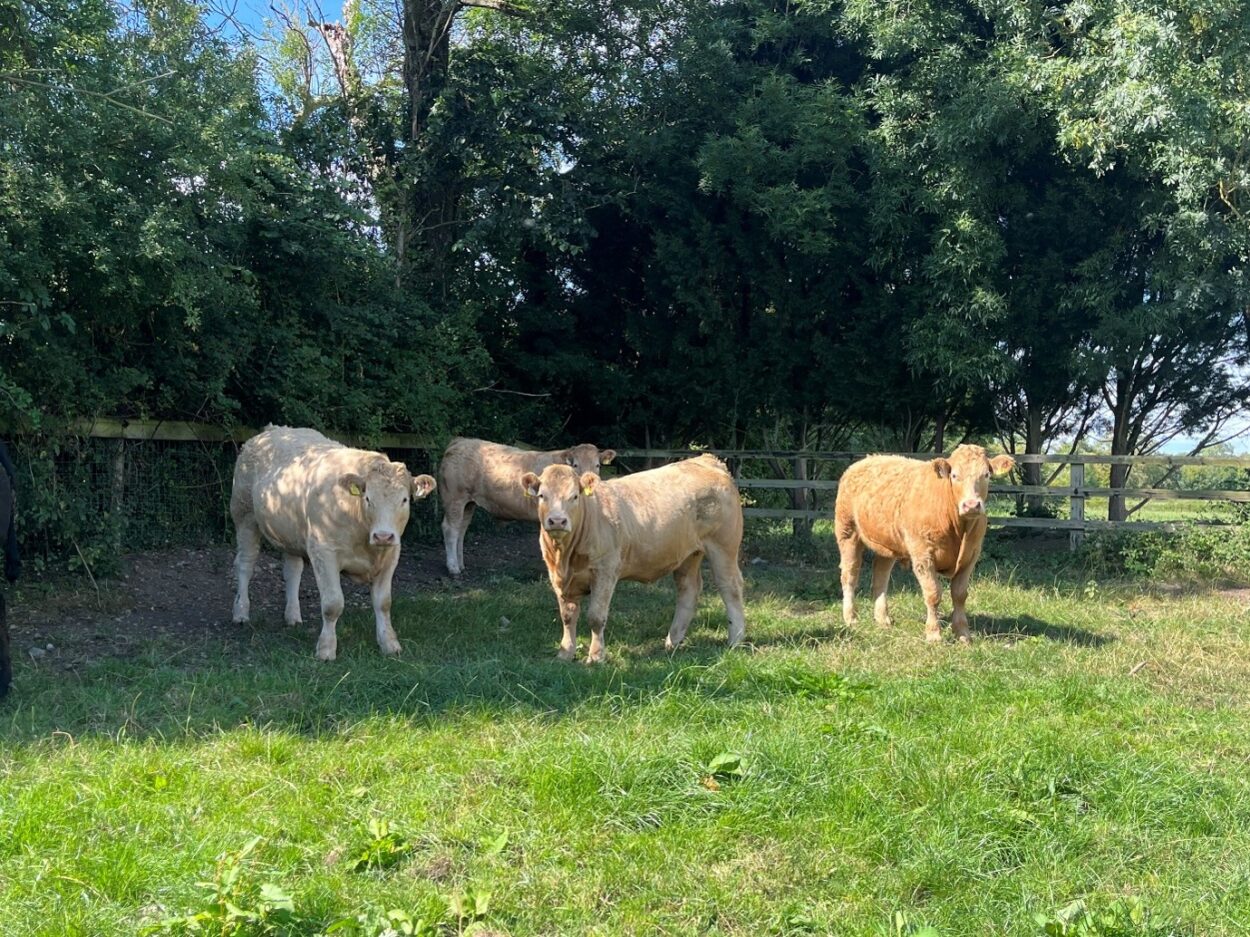
Figure 3: Selection of Charolais store cattle
The 2026 born calves were weighed on 8th July. The heifers (7) averaged 209kg and gained 1.1 kg/day since 9th June (1.27 kg/day since birth), and the bullocks (18) averaged 213kg, gaining 1.21 kg/day during the same timeframe (1.3 kg/day since birth).