


Animal Health
The weanlings were given their second shot of Bovipast and were dosed for lungworms with Albex on the same day. They were on ration for 6 weeks pre-weaning at 2kg/head/day and for 2 weeks after weaning.
Michael changed his weaning procedure this year and split the calves from the cows by day for 1 month pre-weaning. He allowed the calves in twice per day to suckler (once did not work and stressed them) and then inserted the anti-suckling nose paddles to help break the maternal-offspring bond even further. They were left in for 5-7 days and then the calves were permanently excluded from their cows’ paddock, albeit were left in a well-fenced paddock beside them.
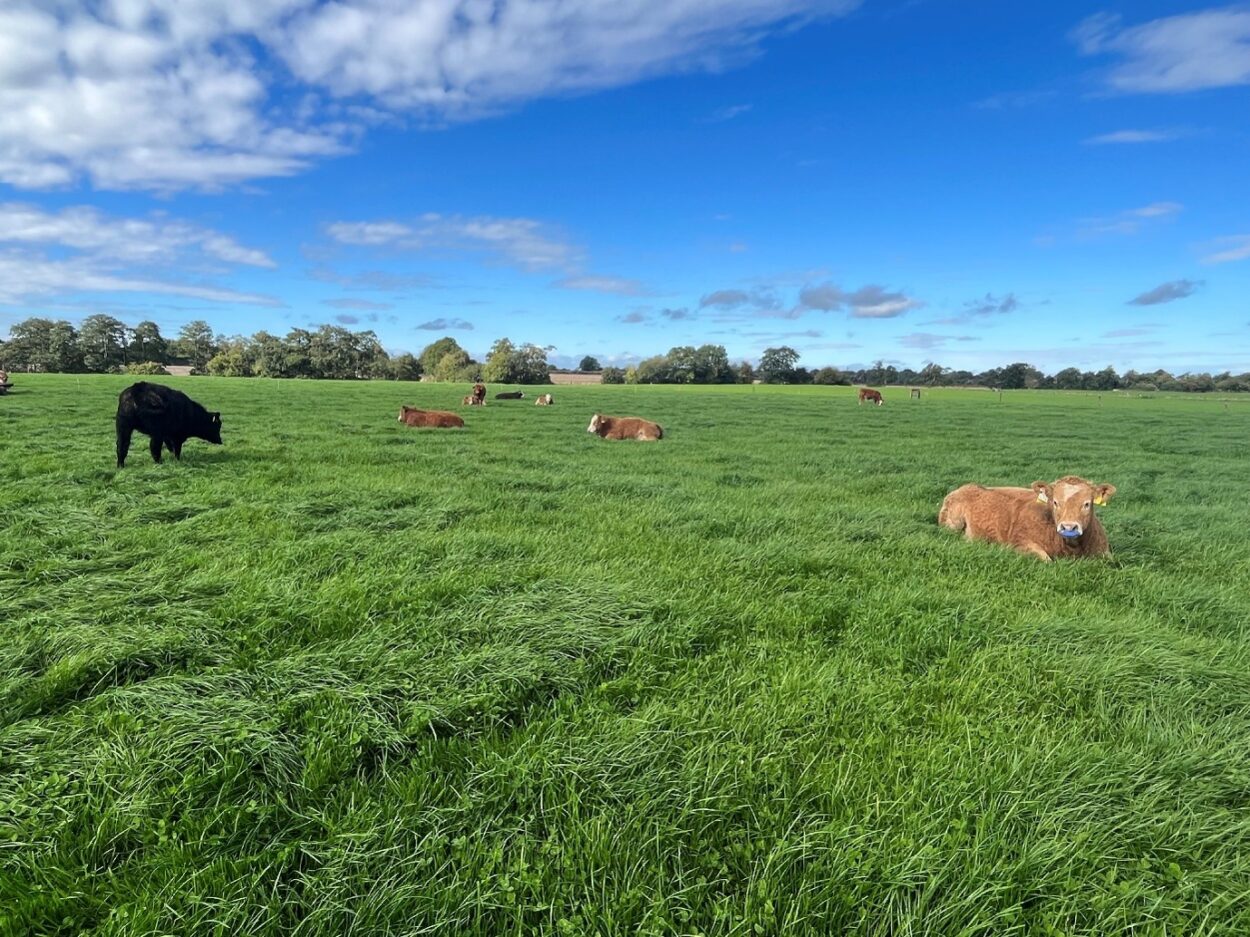
Figure 1: Suckler calves with anti-suckling nose paddles
The calves are all weaned and settled now. The cows have been split into 2 with one group following the calves and the other group following the finishing cattle to clean out paddocks behind them.
Performance
There are 2 heifers that did not go in calf and 6 cows in the finishing group of cattle, along with the 11 bullocks and 3 beef heifers. They were weighed on 11th August. The bullocks (11) averaged 614kg and gained 1.13 kg/day from 16th June. The heifers (3) averaged 530kg and gained 0.95 kg/day during the same period. Their feeding rates will be increased to 5kg/head/day at grass.
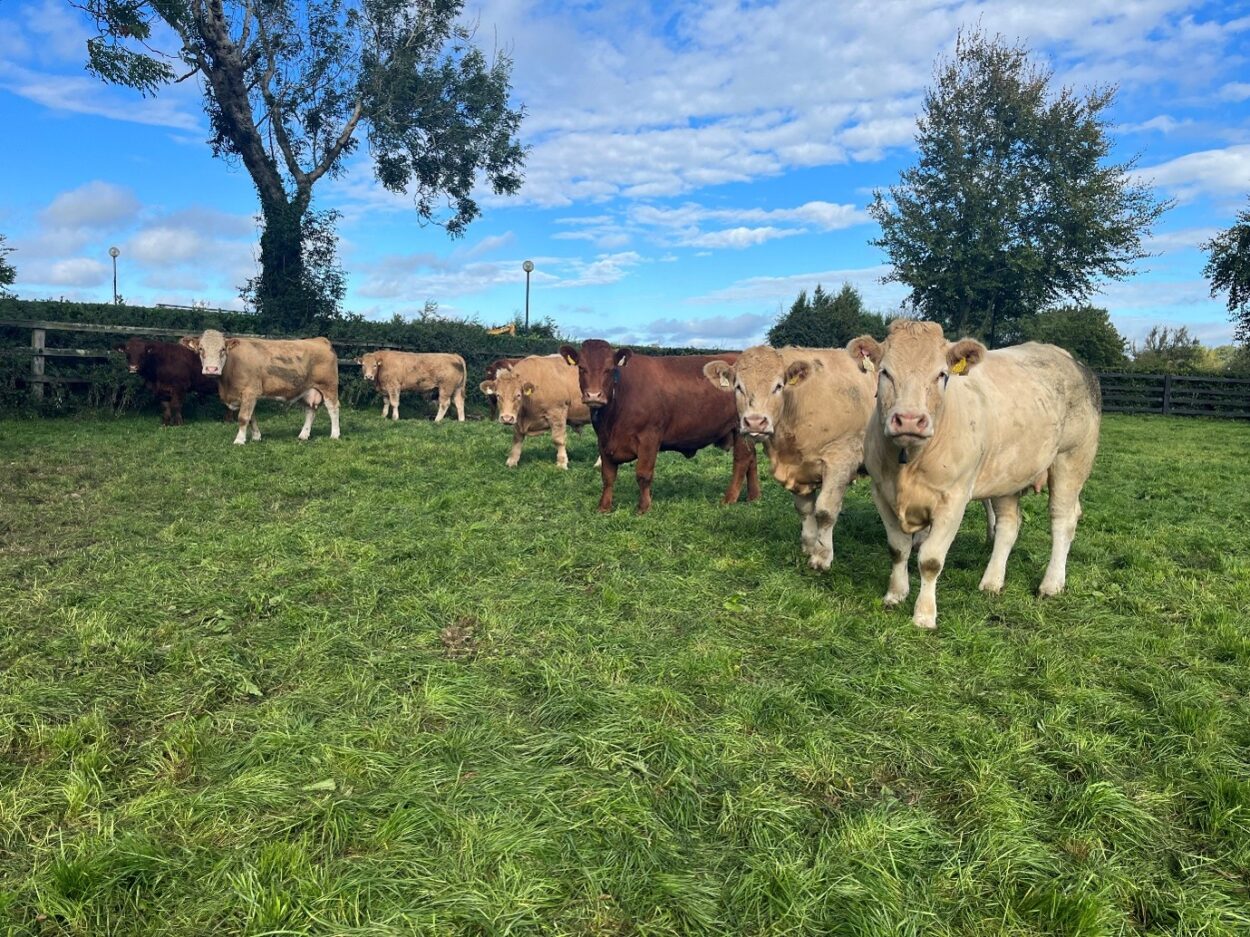
Figure 2: Some of the finishing cows, heifers and bullocks
The 2026 born weanlings were weighed on 15th September. They bullocks (18) averaged 300kg and gained 1.29 kg/day since birth. The heifers (7) averaged 290 kg and gained 1.23 kg/day since birth.
Greenhouse Gases
Michael has looked into the feasibility of installing a slurry aeration system into his new slatted tank and also into his old slatted tank.
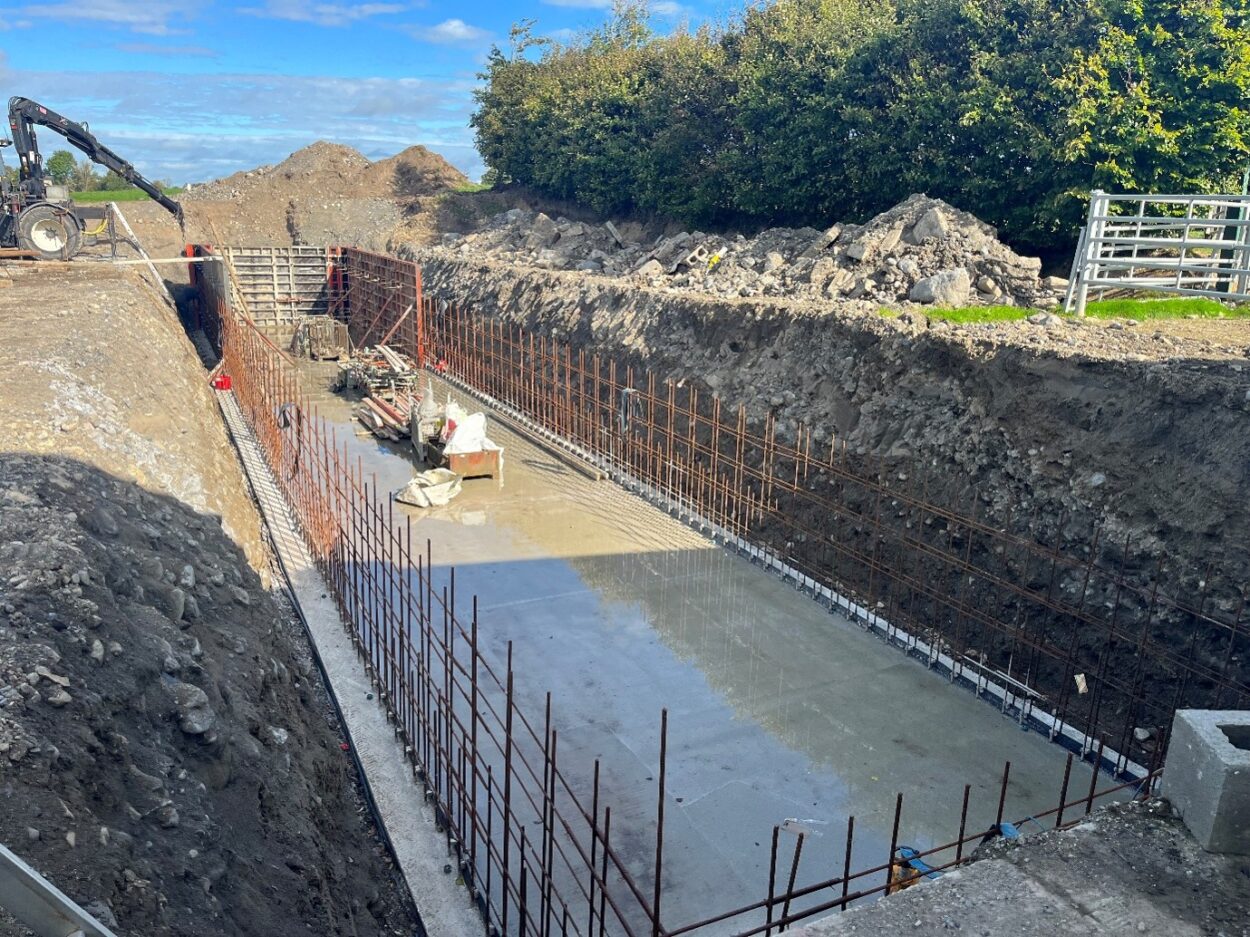
Figure 3: The new slatted tank with shuttering underway
Slurry aeration is a technology designed to improve the handling and management of livestock slurry by introducing air into the slurry tank. The process encourages aerobic microbial activity, which can help break down organic matter, reduce crusting and improve slurry consistency. Depending on the system and operating conditions, aeration may also reduce odours and make slurry easier to agitate and spread. It also reduces methane and is a recognised GHG abatement technology. However, results vary, and aeration should not be assumed to eliminate ammonia emissions or improve fertiliser value in every situation.
Aeration systems can be retrofitted to existing underground or above-ground slurry tanks, avoiding the expense of constructing a new store. Typical installations use a compressor or blower connected to pipework and diffusers positioned in the tank to distribute air through the slurry. Some systems use alternative arrangements, including mechanical mixing or air-injection equipment.
Before installation, the tank’s dimensions, depth, slurry capacity, access points and structural condition need to be assessed. Pipework, electrical connections and controls must be suitable for the corrosive environment. The installation must also account for safe access, maintenance and the risk of dangerous gases, particularly hydrogen sulphide. Aeration is not a substitute for safe slurry agitation procedures.
Under the Department of Agriculture’s Targeted Agriculture Modernisation Scheme (TAMS 3), simple slurry aeration systems are included in the Department’s accepted specifications, document S123D. Grant eligibility depends on the approved system, scheme conditions and the applicant’s circumstances. The Farm Safety Scheme provides 60% grant aid for eligible investments, subject to the applicable terms and investment limits.
Aeration requires electricity to operate the compressor and associated equipment. Michael’s solar photovoltaic (PV) panels could offset some running costs by generating electricity for the aeration system during daylight hours. Savings depend on the amount of solar generation that coincides with the system’s operating schedule. Where aeration runs mainly overnight, solar panels alone will provide less direct benefit unless operation can be shifted to daylight or battery storage is installed.
Michael has applied for the TAMS grant and will not be able to buy the system until he receives approval so will be looking into it in the meantime to obtain an aeration-system quotation, confirm grant approval and calculate electricity consumption.