

Media
- Watch video below
- Oliver is preparing for the autumn show and sales
- Selecting stock & management
The Suckler Carbon Efficiency Programme (SCEP) is designed to improve the genetic merit and environmental efficiency of the Irish suckler herd. For participating farmers, meeting the scheme requirements throughout the year is essential to ensure that the maximum payment can be drawn down.
For 2026, Oliver’s SCEP yearly reference number is 27 cows. This figure is the starting point for calculating a number of the scheme requirements, including the number of calves required to be born, animals requiring genotyping and the number of cow-calf pairs that must be weighed.
The following is a farm-specific review of the actions that need to be completed during 2026.
One of the fundamental requirements of SCEP is that the farmer must calve a minimum of 50% of the yearly reference number during the scheme year.
For the 2026 scheme year, this relates to calves born between:
1 July 2025 and 30 June 2026.
For example, a farmer with a yearly reference number of 30 must have at least 15 eligible beef-breed animals calved during the relevant period.
For Oliver’s farm:
2026 reference number: 27 cows
50% calving requirement: 13 calves
Actual calves born: 28
For SCEP Year 4, at least 85% of calves born must be sired by an eligible 4- or 5-star bull or eligible AI sire.
The bull or AI sire must meet the SCEP requirements on the relevant ICBF evaluation, with eligibility based on the Replacement and/or Terminal Index as applicable.
This means that bull selection and AI decisions during the breeding season are particularly important.
For 2026:
Target = 85% of eligible calves
For Oliver’s farm with 28 calves born, approximately 23 calves must have an eligible sire (85% of reference figure of 27 cows).
The stock bull qualifies for SCEP and all AI sires are easily checked before the breeding season to confirm their SCEP eligibility through ICBF.
All of Oliver’s calves qualified for this, with 28 (103% ) form eligible 4/5 star bulls.
The 85% requirement applies in both SCEP Years 3 and 4, before increasing to 90% in Year 5 which runs from 1st July 2026 to 30th June 2027.
The female replacement strategy is an important part of SCEP, although there is no new percentage target to meet in 2026.
The previous target was 65% of the yearly reference number by 31 October 2025, while the next target increases to 75% by 31 October 2027.
Eligible replacement females must be at least 16 months of age and must meet the relevant 4- or 5-star Replacement Index requirements.
Oliver will need to have 20 eligible females in the herd for 31st October 2027. While he currently has 41, some of these will be sold over the coming year so he will continue to monitor replacement females over the coming year, as decisions made this year will affect compliance with the next target.
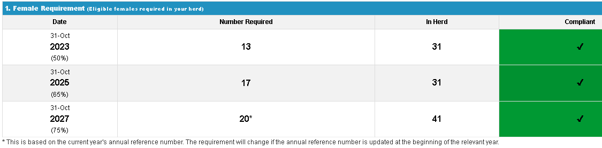
Figure 1: SCEP progress on female eligibility in the herd (Source: ICBF)
The farmer must genotype animals equivalent to at least 70% of the yearly reference number each scheme year.
Therefore:
2026 SCEP reference number: 27
70% genotyping requirement: 18 animals
Calves are genotyped as part of the DNA calf registration programme where appropriate.
The deadline for submission of genotype samples that are not DNA registrations for the 2026 scheme year is 30 November 2026. It is advisable to complete the requirement before the deadline to allow time for any rejected or failed samples to be resubmitted.
The SCEP weighing action requires at least 80% of eligible calves born on the holding, up to the reference number, to be weighed with their dams.
The calf and cow must be weighed on the same day.
Calves must be:
For 2026:
Reference number: 27
80% weighing requirement: 21 cow-calf pairs
This is the main action to be completed on Oliver’s farm. The scales must be appropriately registered/linked to the herd and weights should be submitted to ICBF within seven days of weighing. All 2026 SCEP weights must be submitted to ICBF by 5:30 pm on 1 November 2026.

Figure 2: Weighing progress for SCEP (Source: ICBF)
The action involves the collection and submission of calving and survey information.
All required survey information is completed accurately and submitted within the specified timeframe.
Information includes details relating to:
Some of these traits are yet to be recorded and can be completed either through paper surveys or online through a HerdPlus account by 15th February 2027.
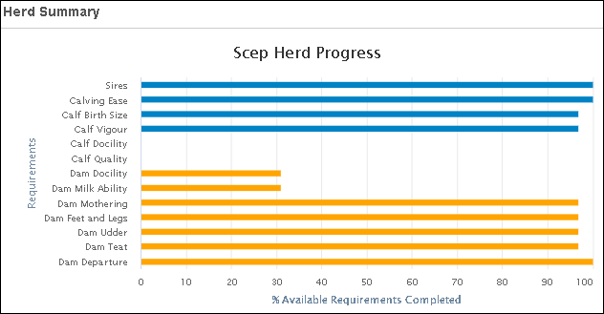
Figure 3: SCEP herd progress for animal surveys (Source: ICBF)
SCEP is paid on an area basis and the farmer must maintain sufficient eligible forage area under their BISS application to support their SCEP maximum payable area.
For full payment, the determined eligible forage area should be sufficient to cover the farm’s maximum payable area. Where the eligible forage area falls below 80% of the maximum payable area, the farmer can become ineligible for payment for that scheme year.
Particular care should be taken if someone:
Any reduction in eligible forage area can have a direct impact on the SCEP payment.
Continued participation in the Sustainable Beef and Lamb Assurance Scheme (SBLAS) is an eligibility requirement for SCEP participants.
Oliver ensures that SBLAS membership remains valid throughout the SCEP programme.
SBLAS status: Certified
Next inspection/renewal date: 12th August 2027
For this farm, the main priorities for 2026 are to weigh the cows and calves and update the animal surveys on ICBF. There are also useful dashboards on ICBF to track the herd’s progress and eligibility for the scheme throughout the year.
Oliver has completed a fodder budget on Pasturebase for winter 2026. He expects to have 32 cows, 27 weanlings, 6 yearlings and 5 cattle over 2 years of age. They will be housed for 180-210 days. On the sheep side there will be 120 ewes and 10 rams that will be housed for 120 days. The younger cattle will be fed 2-5 kg of ration per head per day while the ewes will be fed 0.5 kg of ration per head per day over the winter period.
Based on this estimation, Oliver will require 25t of ration and 505 bales of silage for a 200 day winter. He has 30 bales left over from last winter and 55 made on the outfarm in Sligo. A further 420 bales were made from first and second cut silage which amounts to the total that is required for the winter.
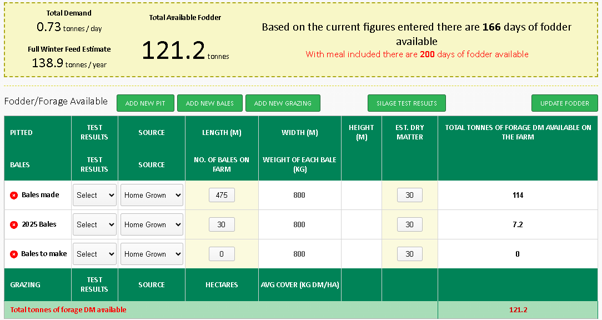
Figure 4: Fodder budget for winter 2026 (Source: PBI)
While its has been a good summer for grazing, Oliver is conscious that the winter always comes in fast. He spread 20 units of nitrogen/acre across the farm to help build grass covers for the autumn. The sucklers will stay on the outfarm for as long as possible in the autumn, and the sheep will stay out on the home farm. Any cattle on the home farm are typically housed in October as the land is heavier there.
Preparations are also underway for the upcoming shows and sales. The 2 heifers and 2 bulls that have been picked out are housed for ease of management and are on good quality silage, along with 3to 5kg of ration per day.
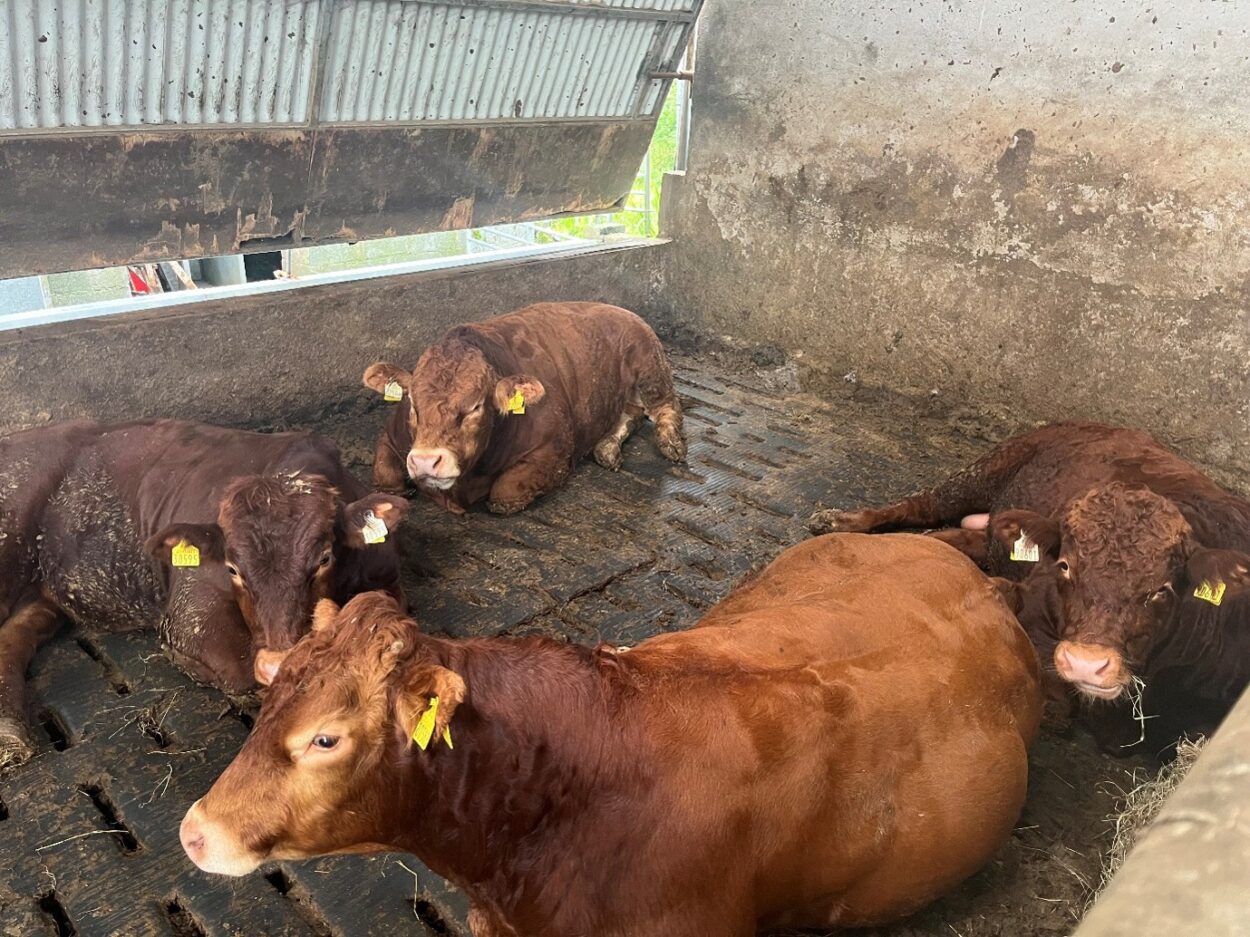
Figure 5: Some of the bulls that will be sold this autumn
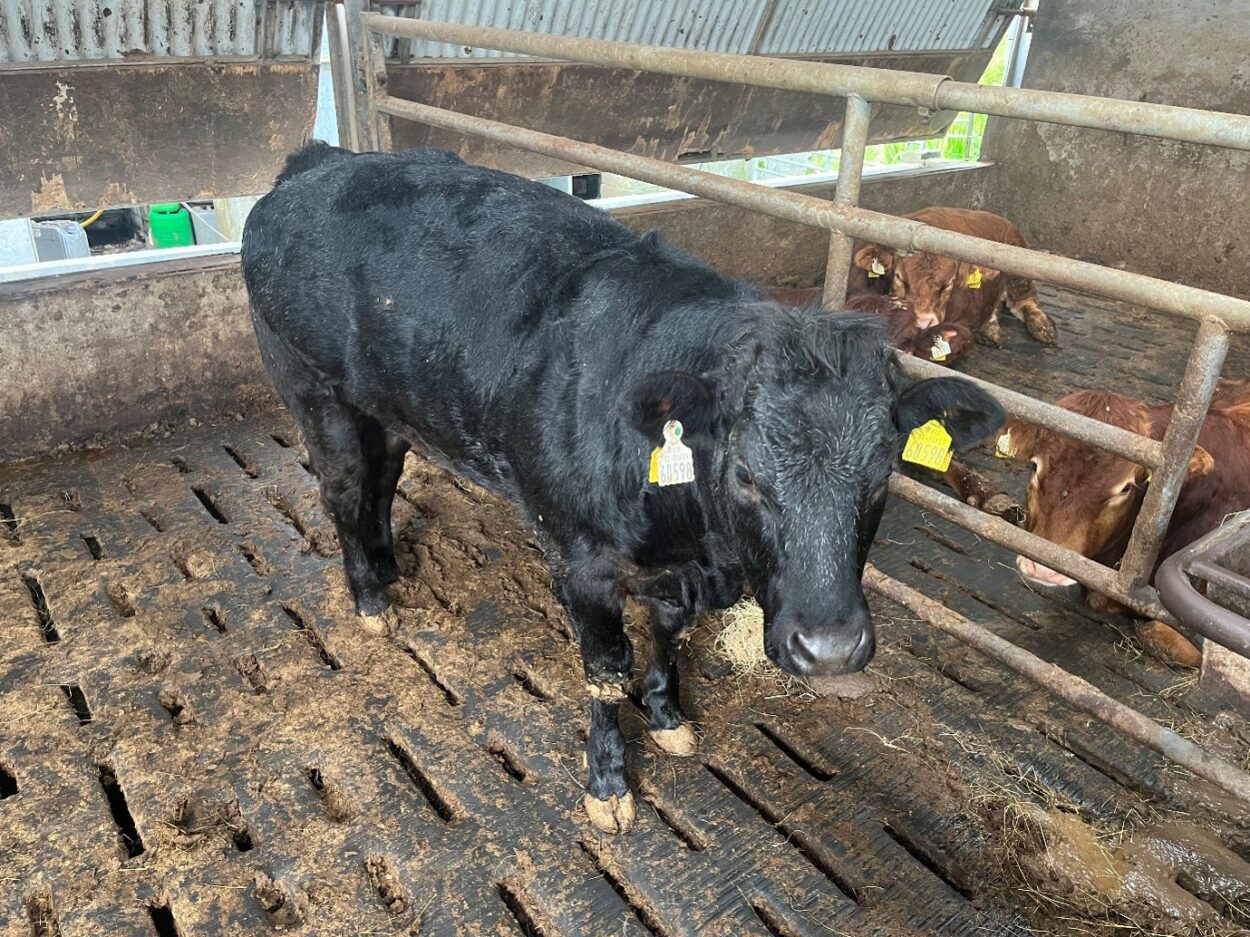
Figure 6: One of the heifers for the show and sale