Performance
- Bulls gained 1.39kg/day from Birth to 11th October – on 2kg meal since august due to drought no dip at weaning
- Heifers gained 1.2kg/day – on 1kg meal
I’m delighted with the bull weanlings, especially after the drought. They averaged 1.39 kg/day from birth up to 11 October. I started them on 2 kg of meal each per day in August, a month earlier than usual, and I reckon it paid off. Once the rain came and the grass started growing again, they really pushed on. The more weight I get on them at grass, the less time they need in the shed to finish.
The heifer calves gained 1.2 kg/day on just 1 kg of meal a head a day during the drought. I’m happy with that. I calve my heifers at two, so I want them bulling next April or May at about 60% of their mature weight. I know what my cows weigh from weighing them for SCEP. That gives me a target of around 360–390 kg for the lighter dairy-cross heifers and 420–450 kg for the heavier continental types. If they don’t get there, they won’t make the cut as replacements.
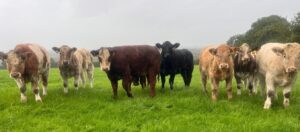
Figure 1 Cattle at grass, September 2026
I left the calves on the cows a bit longer this year. We got talking about weaning on the trip to Grange and, as the lads said, a cow has a job to do. Most of us were seeing calves doing 1.2 to 1.3 kg/day on the cow and dropping back a bit after weaning. There was plenty of grass ahead of mine, so I was in no rush.
I had them “wean ready” all the same. They’d been creeping ahead of the cows almost since they were born. They were eating meal, and I had the dosing and vaccinating done. I’d usually bring the bulls up to 3 kg of meal a head for the last week or two before housing. I was watching the forecast, once I seen unsettled weather, I could wean in five days.
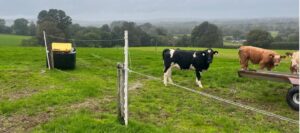
Figure 2 Simple forward creeping system using horse stakes (Sept 2026)
I put the paddles on the bulls on Monday and weaned them on Saturday morning. There wasn’t a bawl out of them. The mammies were a bit upset alright, but the calves went into the straw-bedded shed and never looked back. I weaned the heifer calves the same way in early November.
I’ll weigh them again when they’ve been in two or three weeks. Since I started weaning them this way, I’ve seen very little check going into the shed. The bulls are finishing a bit younger each year and the carcasses are getting heavier. The young bulls I finished this year averaged a 410 kg carcass at 14.6 months and graded U− 3+. At this rate, I’ll have to hold next year’s national farm walk in April if I want any bulls left for people to see!
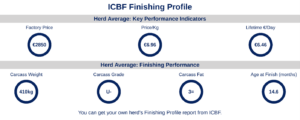
Figure 3 ICBF Finishing Profile for bulls born in 2025.
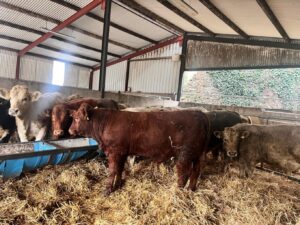
Figure 4 2026 Born Bulls, weaned and housed on straw before moving to slats
The dairy-bred calves did well over the summer. The drought did affect them, so I kept them in the walled garden on hay, a pick of grass and 2 kg of high-protein ration. They gained an average of 0.77 kg/day. I’ll breed the heifers at 15 months so they calve at 24 months, so I want to keep them gaining weight. They didn’t need dosing in midsummer during the drought. In October, I dosed them along with the rest of the young calves for stomach worms and lungworm. They also got their Bovipast booster and their IBR vaccination.
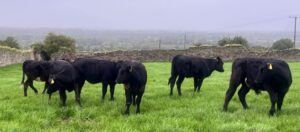
Figure 5 Dairy – bred calves (Sept 2026)
I’ve 40 cows and nine heifers scanned in calf, with the first ones due around 20 January. The cows have picked up well since the drought. On 1 October, I took the calves off the first-calvers and any thin or older cows to give them a bit more time to put condition back on.
At housing, I’ll house the first- and second-calvers with the thin cows, and they get silage on its own. The cows that are about right get silage with roughly 20% straw, to manage this I will feed silage four daye and straw on the fifth. The silage is good this year, cut mid-May after being grazed, over 70% DMD, so I’ll give the fat cows about a third each of straw, hay and silage for a month to bring down their condition, I don’t want them calving fat. Then I’ll take out the straw and leave them on hay and silage. With the first ones due in January, I’ll keep an eye on them to make sure they don’t lose too much condition, especially the later calvers.
I fed 24 bales of silage and 30 bales of hay during the drought, but I got an extra 20 bales off the red clover ground. Having cattle still out in mid-October saved a good few bales too. Between that and the straw I bought, I reckon I’ve enough fodder to see me through to late March or early April.
I’ve closed the fields around the yard for spring. I like to get a few cows and calves out there early and take a bit of pressure off the shed and the fodder and calves do better out, its healthier.
Figure 6 Cows and heifer calves during weaning, November 2026,
The calves had their first two shots of Bovipast when they were young. I gave them their booster in October and their IBR shot into the muscle. I dosed them with ivermectin two to three weeks before I planned to wean and house them.
The other thing on my mind is selenium. I’ve had calves that were grand at birth and then went weak at a week or two old, and I’d have to call the vet. Last year we took blood samples and the results showed they were short of selenium. I was in the middle of calving, so we went with an injection. I’d been thinking about a bolus for this year. Some of the lads got on well with them and others found them spat out in the field. I’ll talk it through with the vet before I decide.
Once the cows are settled in the shed, I’ll start them on the pre-calving mineral. I feed 120 g a head a day and use one that’s high in phosphorus because I’m feeding straw. I want to get the full six weeks of mineral into them before the first cow calves.
At Christmas, about four weeks before the first cow is due to calve, I’ll vaccinate the cows against rotavirus and coronavirus. I time the pre-calving vaccination so the calves get antibodies in their first feed of beestings. The cows will also get their IBR vaccination into the muscle. I’ve done this for a couple of years now and think it has really helped.