

Animal Nutrition
- Redstart has grown well
- Silage bales in place & feeding considerations
- Mineral bolus to be administered pre-grazing


Shane and Grainne have sown redstart on the farm to provide additional winter feed for the dairy beef cattle while they are waiting for the slatted tank and new shed to be built.
The field selected is easily accessible by a farm roadway and is in a dry, sheltered paddock on the outfarm. The field was grazed out and burnt off 10 days before cultivation. Rotted farmyard manure was spread at a rate of 12t/acre and 2 bags of 18-6-12/acre were also spread to help establishment. The seed was sown on 20th August with a one-pass and rolled afterwards.
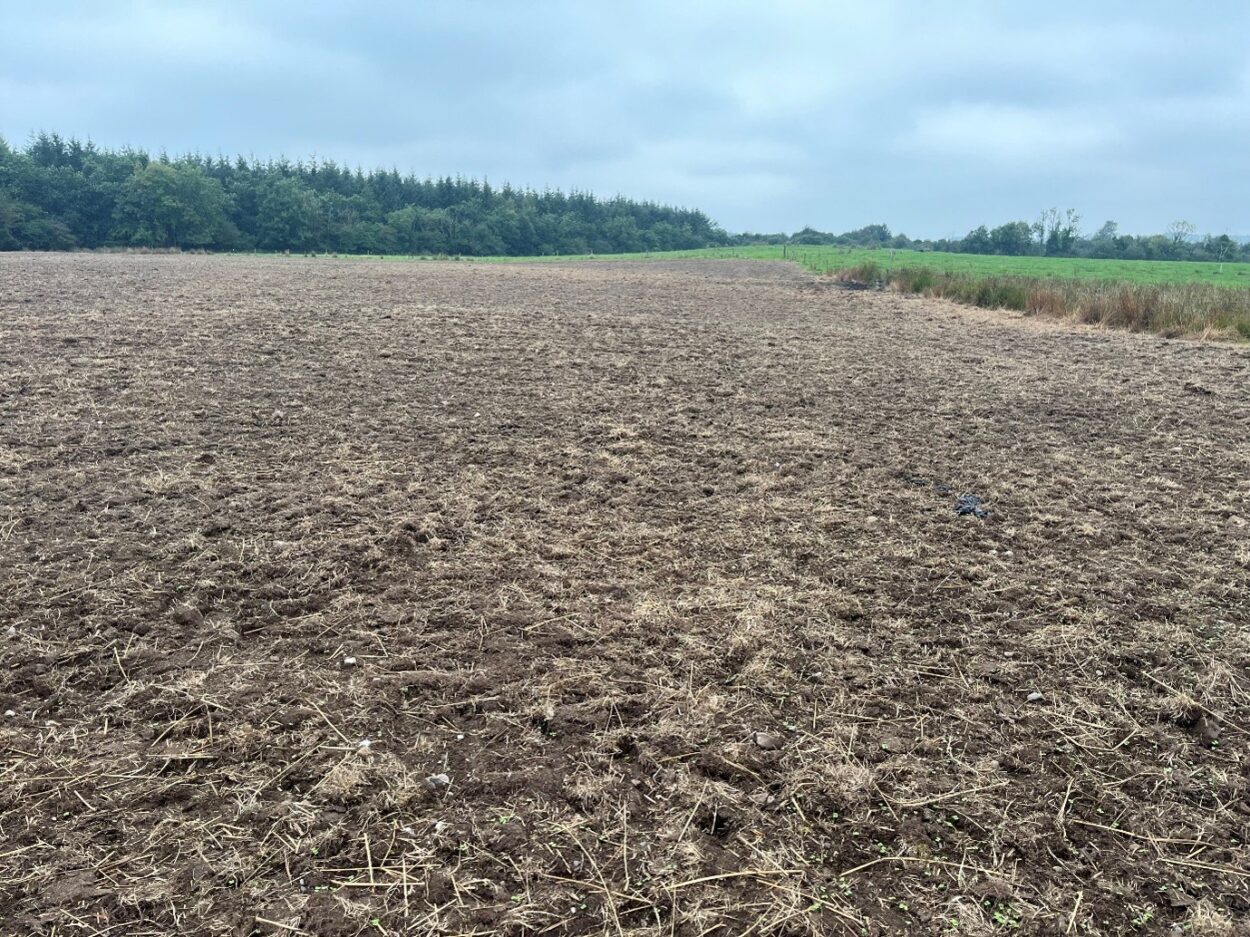
Figure 1: The field for the redstart with seedlings striking 1 week after sowing
There is a watercourse along one side of the paddock so grazing will start from the opposite side, which also suits for water access. A 4m fenced buffer zone will also be in place alongside the watercourse which will remain uncultivated, unsown, ungrazed, and unfertilised. A minimum lie back area of 30% is required for grazing catch crops, for example 1 ha of redstart will need at least another 0.3ha of lie back. The cattle will have direct access to a grass paddock that runs alongside the redstart.
Shane expects that the 30 dairy beef weanlings will spend approximately 4 weeks on the redstart. He will feed silage bales accordingly to make up their minimum 30% fibre content and will also feed 1-2 kg of ration per head per day.
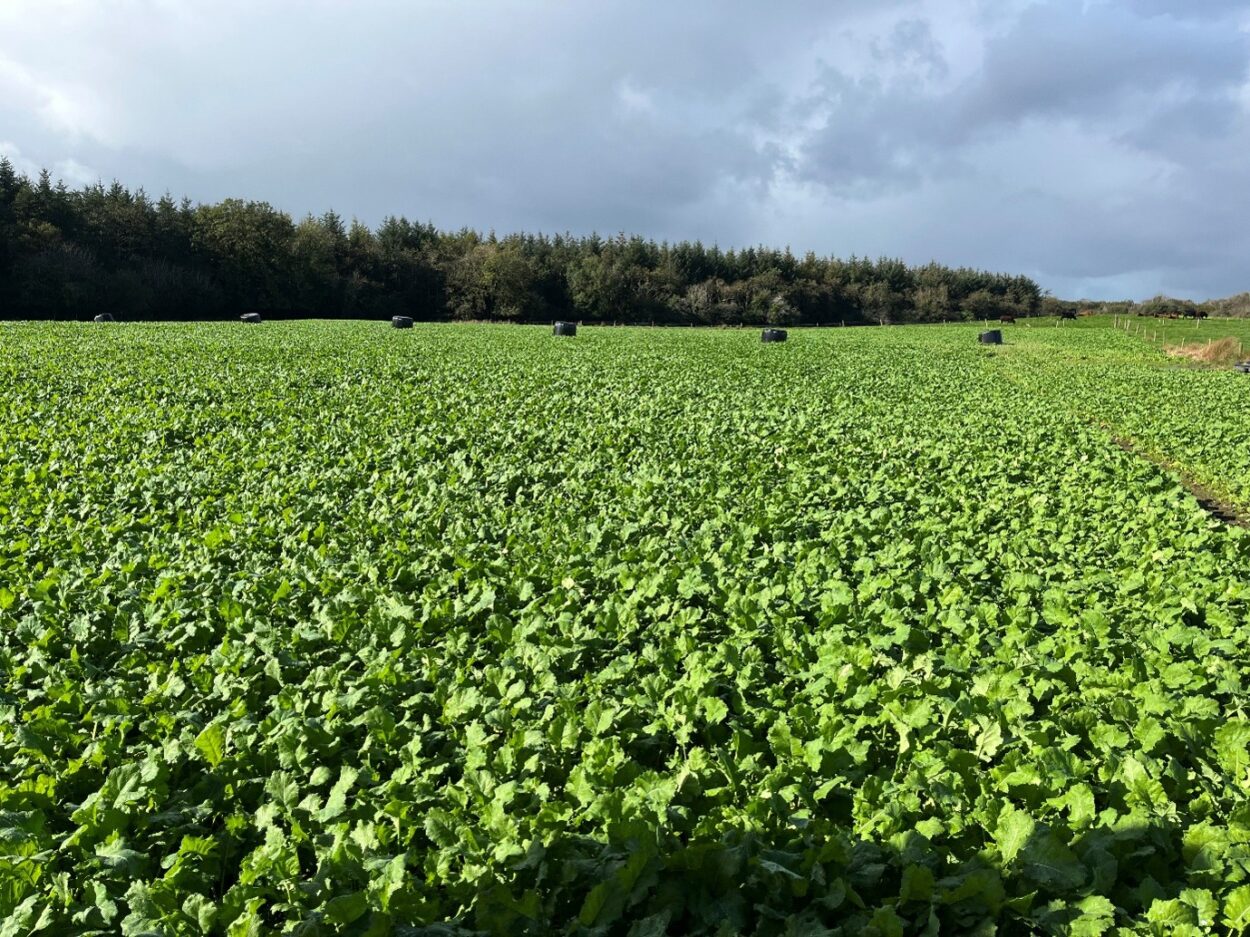
Figure 2: Redstart crop with bales in situ
Prior to grazing, a mineral bolus will be administered to the cattle containing iodine, selenium, copper and cobalt as catch crops are usually low in these minerals. Shane will introduce the crop gradually to them by using a strip wire and allocating a small amount daily. Good quality silage bales (>70% DMD) will be provided as a fibre source as well. In the event of frosty weather, the strip wire fence will not be move until the crop has thawed out, as nitrates can build up when frozen and be toxic to animals. Similarly, the crop will not be grazed after it starts to flower in spring as this can also be poisonous. Fresh water will be available ad-lib.
The finishing performance of the 2026 bulls has been analysed. The suckler bulls (14) averaged 379kg carcass weight a 15.4 months of age and graded R+3- on average, making €2507 per head. They were younger than the 2025 bulls (23) which were 15.6 months, but were lighter in comparison as they were 383kg. The 2025 bulls also graded better at U-3- and at a higher beef price averaged €2927 meaning this year’s bulls were back by €420 per head.
In 5 dairy beef bulls were 270kg carcass weight at 15.8 months of age and they graded O=3-, making €1741 per head.
Shane and Grainne sold 15 dairy beef heifers and 2 suckler heifers in the mart on 1st October. Their average weight was 371kg and they made €3.47/kg amounting to €1287/head.
The dairy beef weanlings were weighed on 29th September. The bulls (14) averaged 183kg and gained 0.79 kg/day from 8th August, with 0.7 kg/day since birth. The dairy beef heifers (14) averaged 155kg after gaining 0.78kg/day during the same period and 0.59 kg/day since birth.
Figure 3: Dairy beef calves grazing the red clover silage field
The dairy beef calves had a significant worm burden of 498 eggs per gram for strongyles (stomach worms) and also had a touch of coccidiosis. Shane noticed that they were off their feed and they were treated immediately, with all of them recovering well. They are currently on 2kg of ration/head/day and are grazing the red clover field before it will be closed for the winter. The suckler calves are on 2.5 kg of ration/head/day.
A new slatted tank and shed are in the process of being built. TAMS grant approval was secured earlier in the year, providing 60% funding for the tank and 40% for the shed. Finance has also been secured with the bank and the paperwork is in the process of being finalised for the drawdown.
The shed site was cleared, foundations were dug out and levelled and the base of the tank was then poured. The shutters for the walls were erected in one day and the walls were poured over 2 days. Shane has had a pump running to keep the water levels in the tank down, but the day after the walls are poured he will route water into it to prevent it from rising with the water levels. He must wait at least 26 days after pouring the tank before it can be backfilled, and at least 28 days before the ordered slats can be installed.
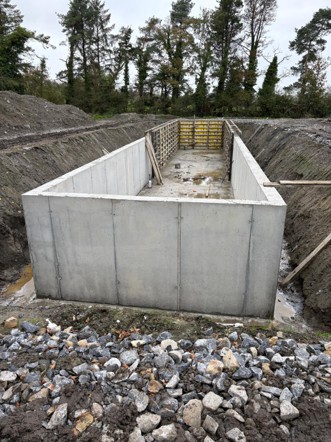
Figure 4: The new tank is progressing well
As Shane used to work as a builder, he will build the shed himself. He expects to have it in place for Christmas to house the dairy beef weanlings that are being outwintered on the redstart.