

Breeding
The calving period for 2026 commenced on 12th July, with most cows due to calve over a 6-8week period. Last year, 48 cows were presented for breeding, with 48-50 estimated to be in-calf. The first 24 cows and heifers were scanned in calf; the remainder were not scanned.
To date, 29 cows have calved, with 27 calves alive. Of these, 12 were male and 15 were female and all were born in the first 6 weeks. Only 1 or 2 cows have required assistance at calving so far, which Trevor is happy with as he works full-time off farm. Two calves were dead on arrival and cows were slow to calve them.
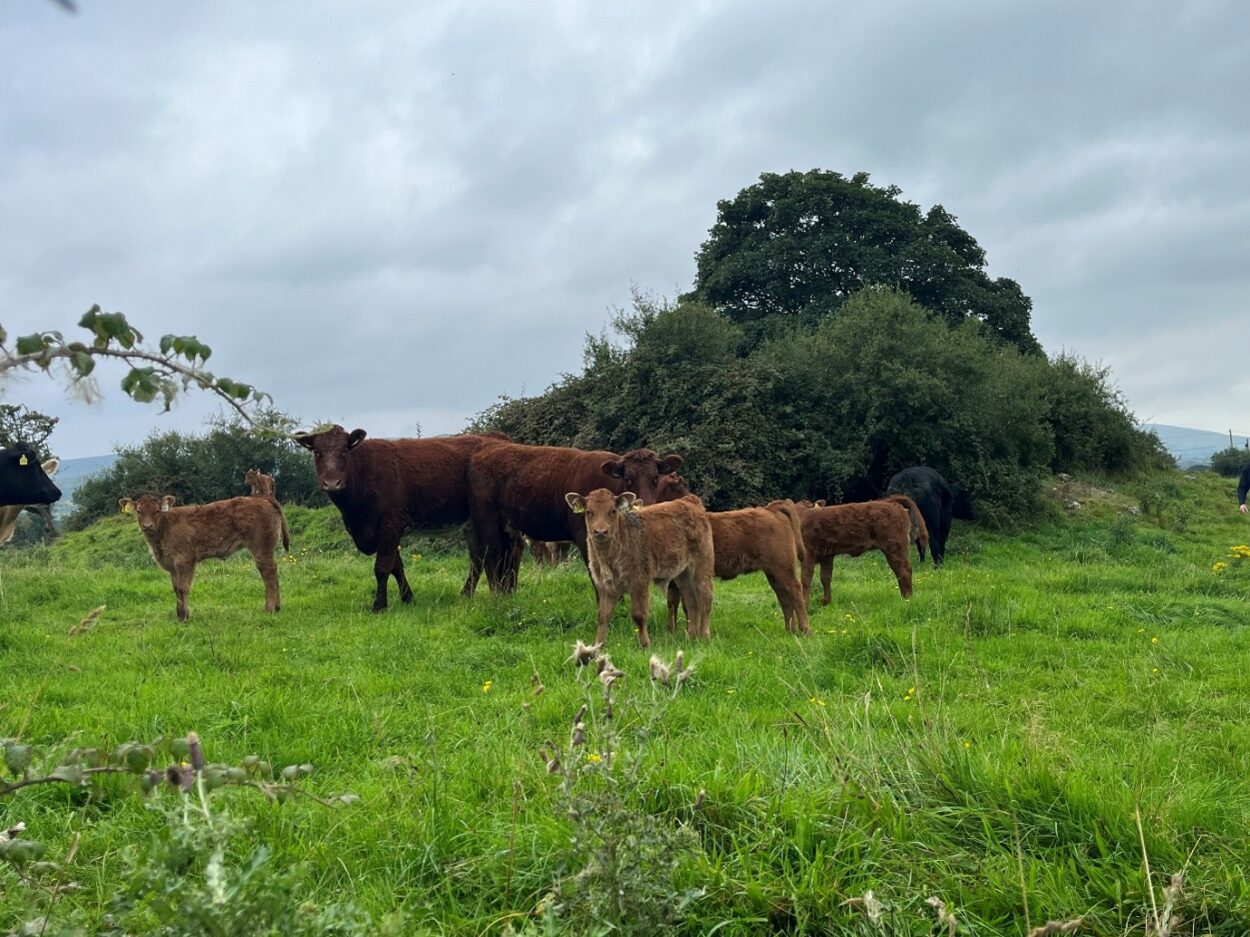
Figure 1: Some of this year’s calves
A particular focus this year was on calving ease and carcass weight for the AI bulls used. Cows were assessed prior to calving, and paddocks were left near the yard for them to graze for ease of monitoring. Cow body condition score (BCS) coming into the calving period was good with cows re-gaining condition over the summer after weaning. They were monitored for summer mastitis but thankfully no cases arose.
Trevor has placed particular emphasis on maintaining appropriate BCS as part of the preparation for calving. The cows are fit but not fat as cows that are excessively fat or thin can present additional challenges around calving and subsequent fertility.
Calving facilities on the farm consist of 10 potential calving pens which double up as creep areas over the winter. Calving cameras are installed in the sheds for monitoring, but generally Trevor lets them calve in the field unless he suspects that there are any issues.
Sire selection has played an important role in the breeding programme. This year, a synchronisation programme and AI were used, with sires selected based on calving difficulty, replacement index, terminal index, carcass weight, daughter milk and gestation length.
The main breeding objective is to produce female replacements either for keeping in the herd or for sale. The daughter milk figure for the herd is 6.5kg which Trevor is happy with, but the carcass weight could be increased from 16ky to 18-20kg while maintaining an acceptable level of calving ease. The herd has 5-star replacement/terminal genetics, with an average replacement index of €157.
Trevor already has sires selected for this year’s breeding season, including Drumline S (Limousin), Brackan Ruben (Limousin), Dalriada Red Electrode (red Angus), Orbi (Charolais) and Gentons Romeo (Saler).
Grassland
The latest grass walk shows 11 paddocks for stock on the outfarm, with covers ranging from approximately 150 to 2150 kg DM/ha. The average cover is 1460 kg DM/ha, giving 36 days of grazing ahead. The grass wedge is being used to identify which paddocks are ready to graze and, importantly at this time of year, which paddocks should be allowed to build cover for later in the autumn.
The aim is to to build rotation length through September as growth rates naturally decline, with a 35-day-plus rotation an important target for building autumn covers.
Grass growth has been good on the farm and the outfarm grew 69 kg DM/ha/day from 16th August to 23rd of August. Trevor doesn’t plan to cut any extra silage and expects growth rates to drop back from this. Grass growth was also in response to 2 bags of 18-6-12/acre which were spread across the farm as the last round of fertiliser.
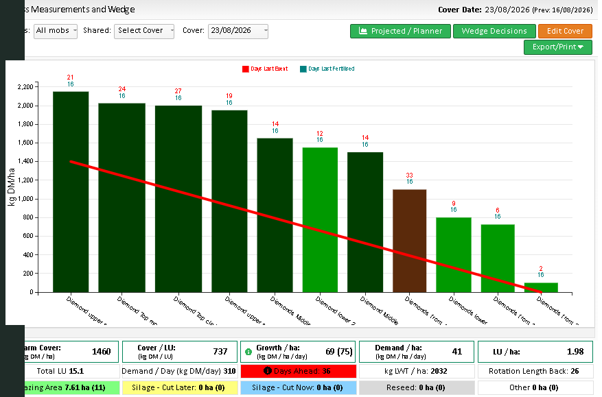
Figure 2: Grass wedge for the outfarm on 23rd August 2026 (Source: PBI)
Performance
The remaining 2025 born bulls (14) were weighed on 3rd August. The averaged 411kg and gained 1.86 kg/day in 2 weeks from 18th July. Average daily gains ranged from 0.88 to 2.63 kg/day during that period, and they are now averaging 1.14 kg/day since birth. They were dosed on 18th July for lungworms and stomach worms and are currently being fed 3kg of ration per head per day.
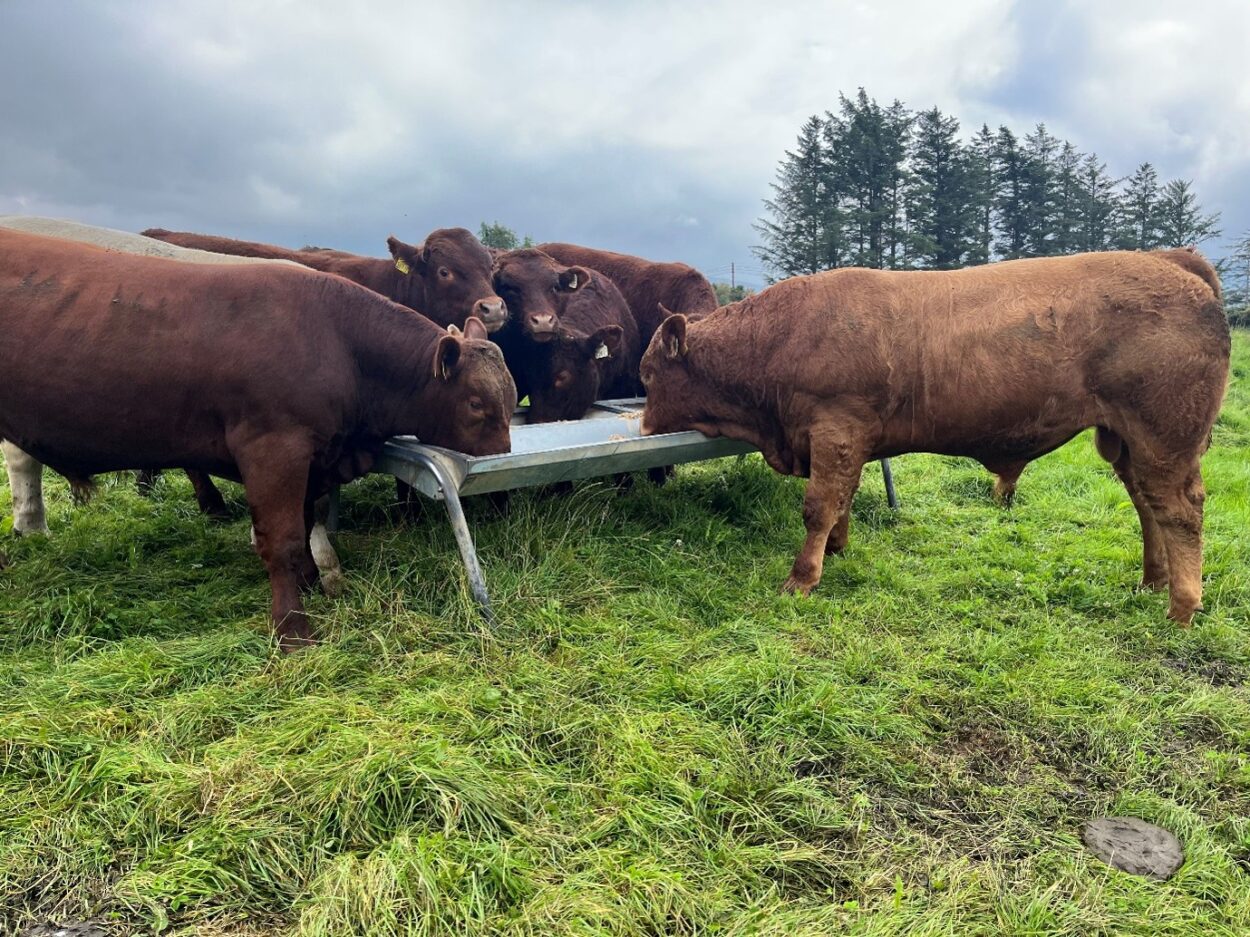
Figure 3: Yearling bulls eating ration
The 2 Saler bulls were sold on 18th August at 22.6 months of age. They averaged 438kg carcass weight and graded U-3+.
The dairy beef heifers started getting fed ration at grass from the middle of August. They will be split into 2 groups for safety purposes at feeding.
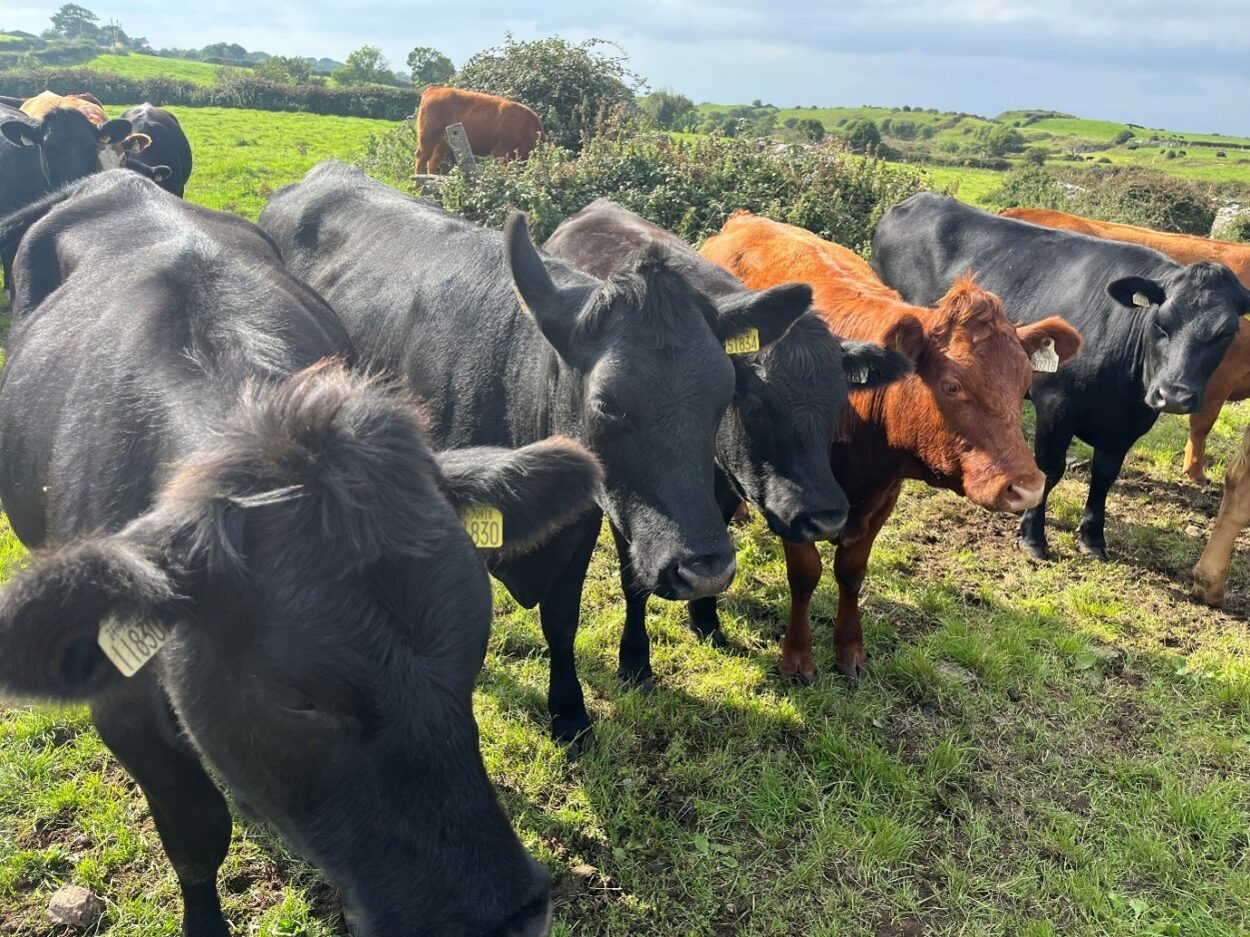
Figure 4: Dairy beef heifers which will be sold this autumn