

Breeding
- Latest scanning results
- 95 females to calve in spring 2027
- Tightening the calving spread for next year


Wesley scanned one group of cows earlier in the autumn and 35 were confirmed in calf. A further 28 were confirmed in calf from the second group on 24th October leaving him with 63 cows due for spring 2027. The bull was running with the second group all summer and while some of the other cows are 5 weeks to 14 weeks in calf, they will not fit in with Wesley’s calving pattern and will be sold from the farm.
The group of 35 heifers and 2 cows were scanned on 10th November after moving home form the outfarm. 30 heifers and the 2 cows are in calf which leaves him with 95 cattle to calve next spring as targeted. However they will be in a more compact calving season that in 2026. Wesley started breeding on 7th May and any cows that were not in calf by 18th July will be sold, which will leave him with a 10-12 week calving spread. Two heifers held to natural services on 23rd July and 11th August so Wesley will keep them.
Tightening the calving spread will condense the calving workload for Wesley, which is already significant for one person. However, it will result in:
The spring born weanlings were treated with Animec on 15th October to treat them for lungworms and stomach worms.
Wesley noticed a lot of coughing in his bulls over the past few winters and this year has changed his housing strategy by putting them nearer to the sliding door which has been opened to help improve air flow in the shed. Last year coronavirus was identified as an issue in them so this winter he is vaccinating the weanlings against it with Bovilis Nasalgen. It is a single shot 2ml vaccine which develops immunity in 5 days. It provides 12 weeks cover which will get them over the main risk period and costs €5.60/shot.
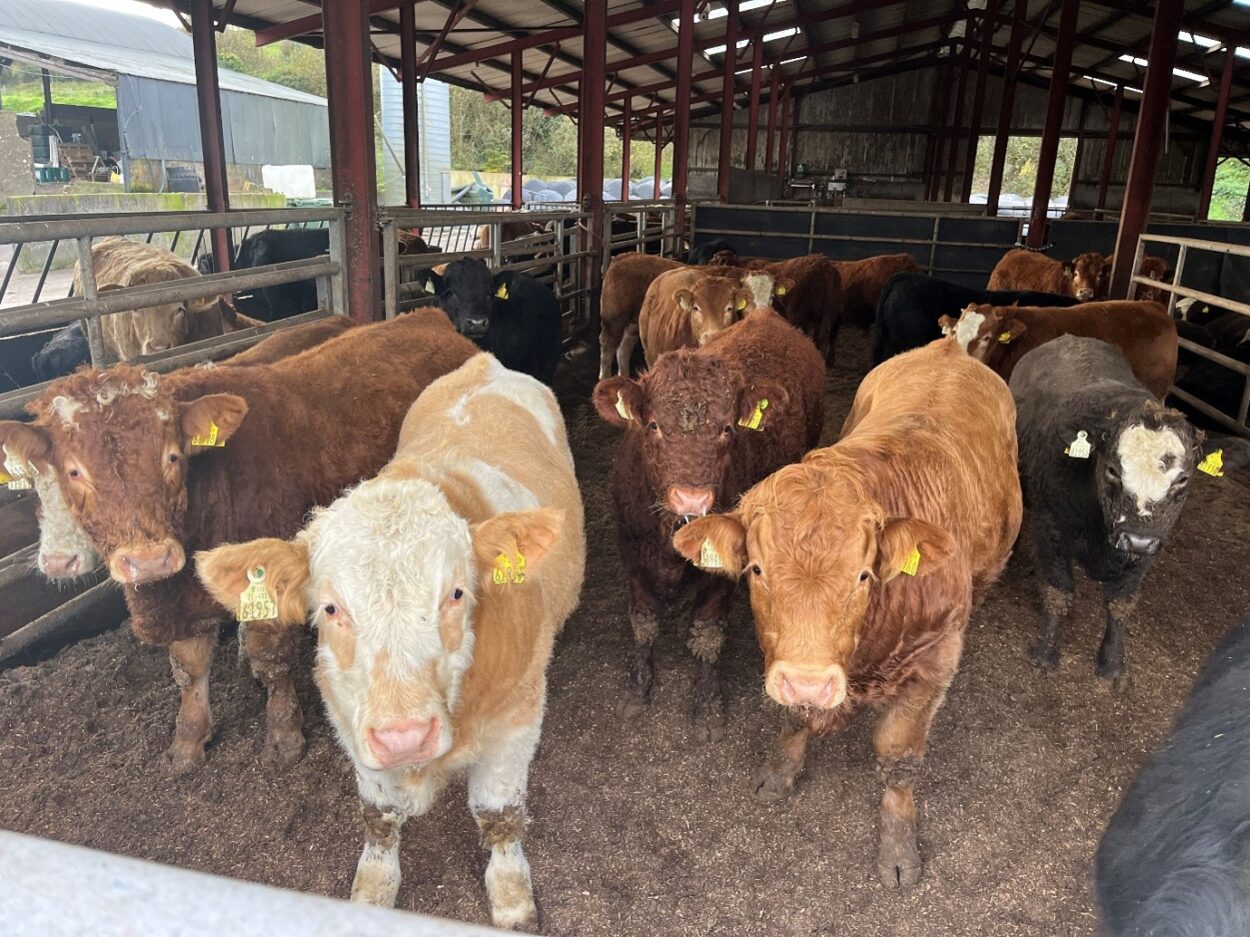
Figure 1: The bull weanlings have moved to a better ventilated part of the shed
Wesley is hoping to avoid the dip in performance that he noticed in the bulls last year by using it and by improving the air flow in the shed.
The weanlings were weighed after housing which will allow Wesley to monitor their performance. The bulls (4) averaged 300kg, after gaining 1.2 kg/day since birth and 1.49 kg/day since the last weight at housing on 15th October.
The heifers (39) averaged 296kg and gained 1.11 kg/day since birth and 1.48 kg/day since housing on 15th October.
Wesley is feeding 2 bales of silage per day to 65 suckler cows and was wondering if it was enough. They are in target body condition and have sufficient lying and feeding space in their pens. The bales are approximately 750kg in fresh weight and at 35% dry matter which means the cows are eating 8 kg DM/day. For energy purposes, suckler cows require 6.7 – 7.2 UFL/day during months 6 and 7 of pregnancy.
If Wesley was feeding 66% DMD silage (0.73 UFL), the cows would have to be eating 9.2-9.9 kg DM/day or 2.3-2.5 bales per day. However, at 75% DMD silage (0.91 UFL), the cows require less feed and 7.7 – 7.9 kg DM/day or 1.9 – 2 bales of silage per day is sufficient as being fed to meet their energy requirements. However, as this energy requirement will increase as they get closer to calving, they will require more feed then.
Wesley’s silage was tested and the results were as follows:
The results were excellent and the weanlings are currently getting 3kg of ration/head/day. This is perfect for the bulls are they will be gradually built up to 8-9 kg /head/day but is high for the heifers. However, Wesley plans to keep the option of breeding all of them next spring so is front loading ration while they settle into the shed after weaning and will reduce it after Christmas. He expects the heifers to gain between 0.6 – 1 kg/head/day over winter on average.
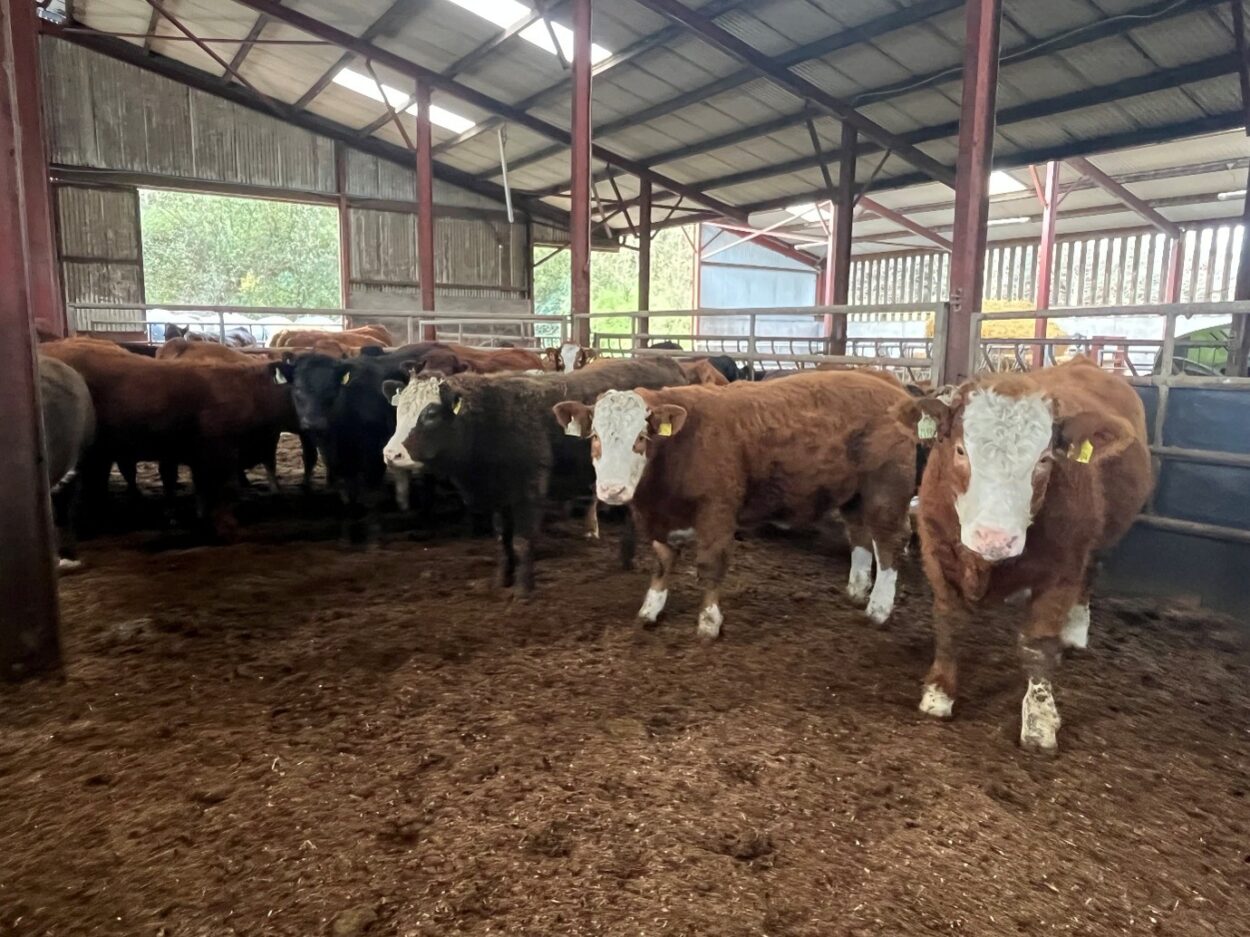
Figure 2: Some of this year’s weanling heifers