


Animal Health
The first calves to be weaned are from the cull cows. The male calves are already castrated since shortly after birth so that is one less stress that they have to go through. Before weaning the main group of calves, they will be vaccinated against IBR (1 shot programme) and RSV, Pi3 and Mannheimia (2 shot programme, 4 weeks apart) to help prevent any respiratory infections. This will provide cover for them in the shed over winter, but Aonghusa also houses them in the newer shed which is better ventilated than the old slatted shed.
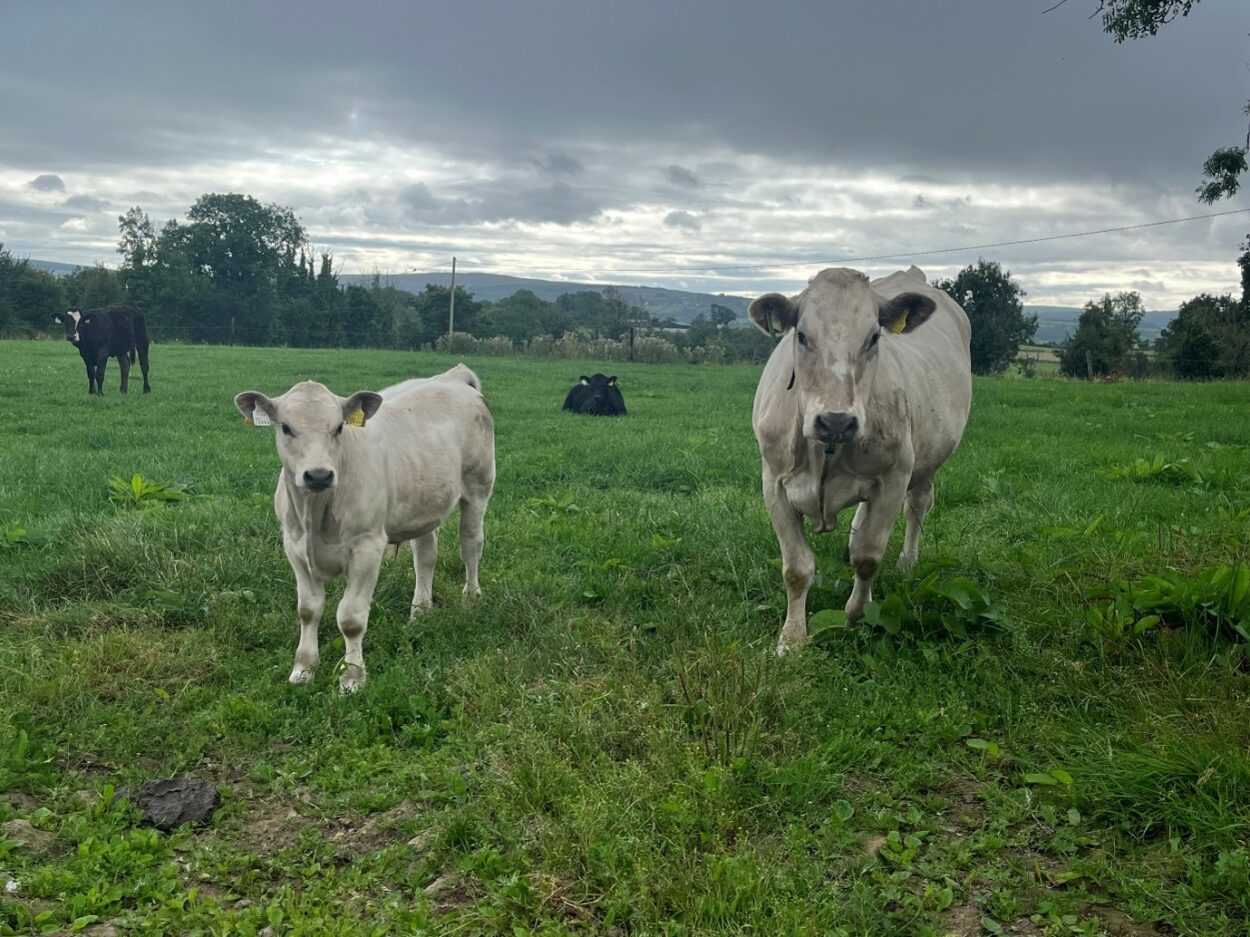
Figure 1: One of the cull cows with her calf
FEC samples were taken from the calves and they had no evidence of stomach worms, lung worms, rumen fluke or liver fluke. They had a low coccicdia burden but nothing serious. However Aonghusa plans to monitor them closely over the coming weeks as the potential for a lungworm burden may arise.
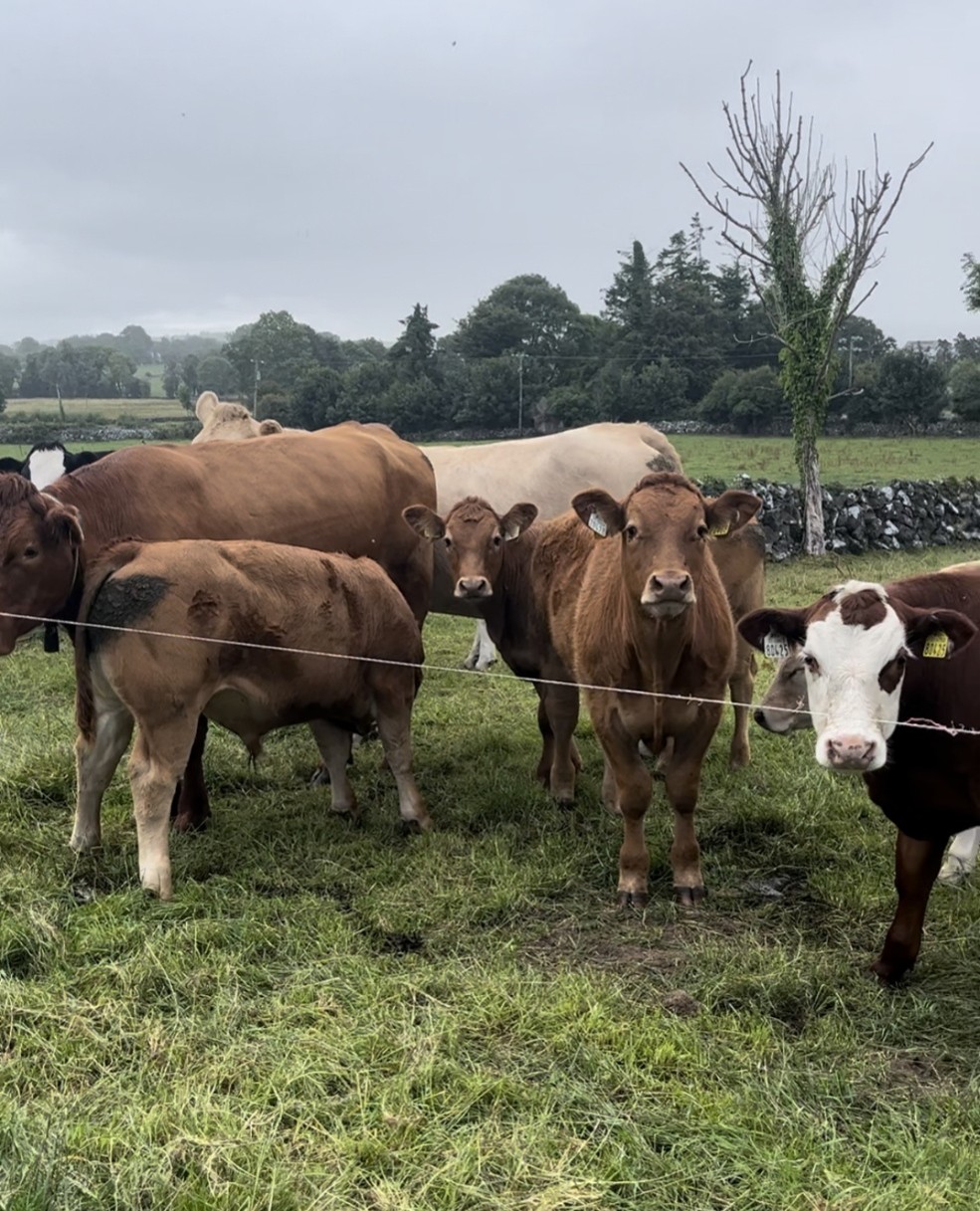
Figure 2: Some of the suckler calves pre-weaning
Nose paddles were applied to the calves from the cull cows for 7 days to help break the maternal-offspring bond between them and prevent suckling. They have been fed 1kg of ration per head per day for 4 weeks pre-weaning and will continue to be fed 1-2 kg of ration per day after weaning. For ease of management they will be put back into the main herd as their cows are fed ration at grass for finishing.
Watch video below where Aonghusa outlines his system:
Grassland
Aonghusa measured grass on 14th August. He had a healthy farm cover of 768 kg DM/ha with a growth rate of 34 kg DM/ha/day in the previous 2 weeks, and a demand of 38 kg DM/ha/day. With 20 days of grass ahead of the herd, Aonghusa is in a good position for the autumn and to be building grass covers. One paddock is due to be cut for silage which will add to his winter feed supplies.
As autumn approaches, the focus should turn to building grass covers to ensure there is sufficient grass available to extend the grazing season and provide a good supply of grass next spring. The aim over the coming weeks is to build average farm cover, reduce demand by supplementing calves and cull cows and to start closing paddocks from the end of September. In line with Grass10 autumn guidelines for suckler beef farms, the target is to build average farm cover towards approximately 500 kg DM/ha by mid-August and up to 750 kg DM/ha by 1st September, while maintaining adequate grass quality and setting up paddocks for early spring grazing. Regular grass measuring will help monitor progress and allow grazing management to be adjusted as conditions and grass growth change.
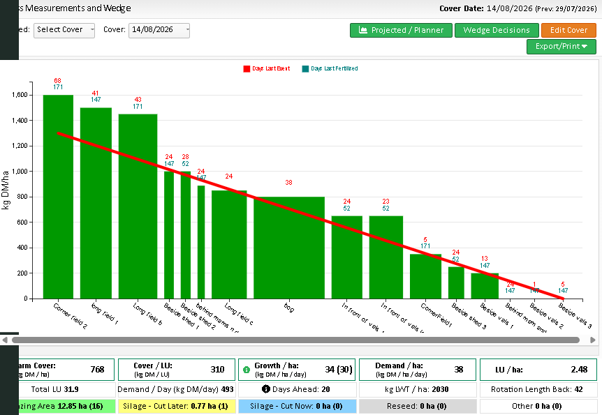
Figure 3: Grass wedge on 14th August 2026
Performance
After discovering that there was a coccidia outbreak in the store cattle, Aonghusa treated them and re-weighed them on 3rd August. The 2024 bullocks (12) averaged 658kg and gained 1.38 kg/day since 9th June, indicating that they have recovered well.
The 2025 dairy beef bullocks (14) averaged 407kg and they gained 1.2 kg/day since 9th June.
The 2025 suckler heifers (4) averaged 440kg and gained 0.83 kg/day, while the 2025 suckler bullocks averaged 467kg and gained 1.06 kg/day.
The 2024 born cattle and the stronger 2025 born cattle are being fed 3kg of ration per head per day at grass for finishing.
The 2026 born calves were also weighed along with their cows for the SCEP scheme on 10th August. The heifers (11) averaged 215kg and gained 1.09 kg/day since birth. The bullocks (16) averaged 237kg and gained 1.21 kg/day since birth. While the top animals performed well, the outliers in the bottom 5 males and females were evident. Three heifers and 1 bullock gained less than 1kg/day from birth – but 3 were Angus sired calves from AA8745 out of first calved heifers.
The average suckler cow weight was 611kg and the herd had a weaning efficiency figure (calf 200 day weight as a percentage of cow weight) of 46% which was ahead of the target 42%.
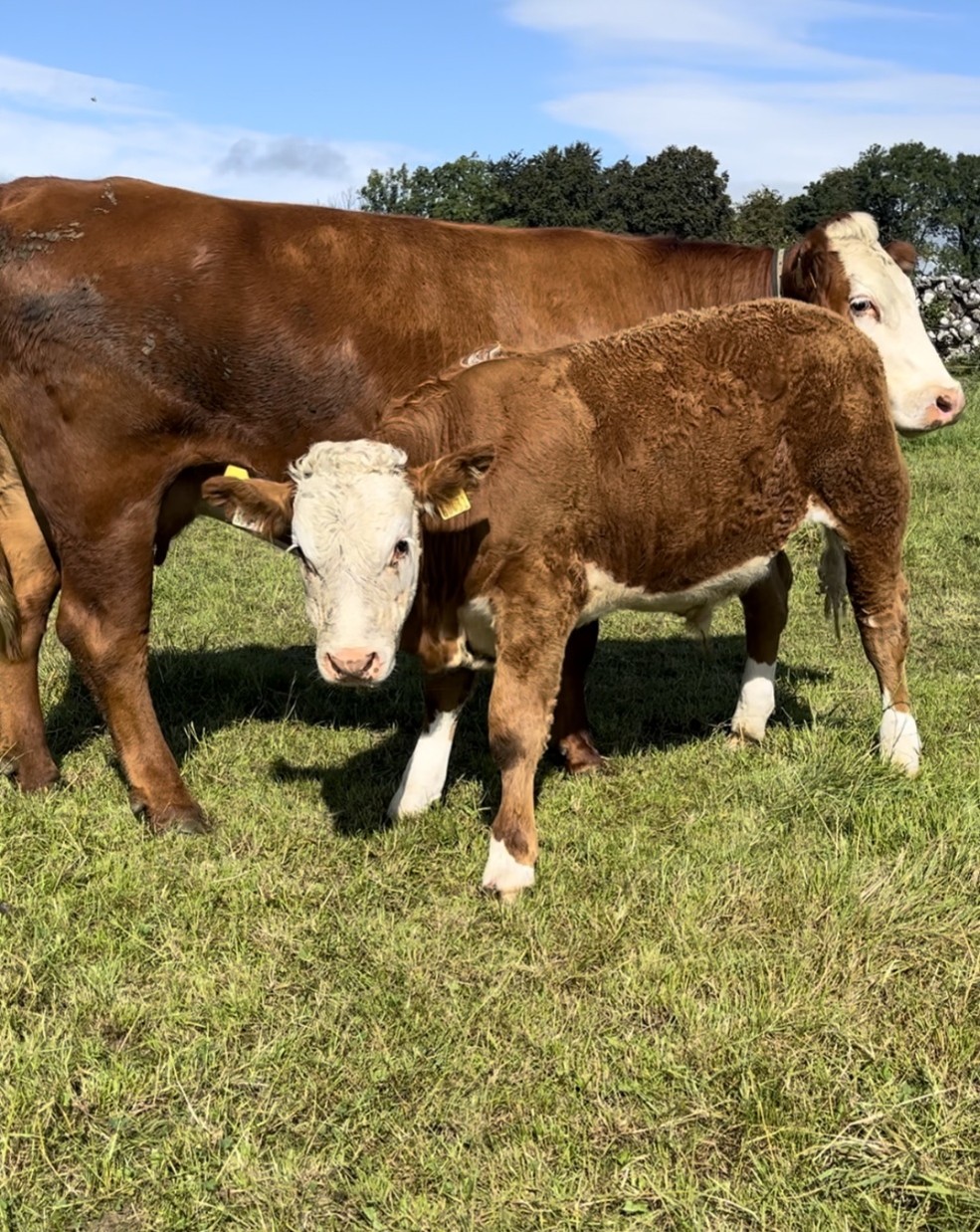
Figure 4: Calf #431 sired by SI4950 has gained 1.38 kg/day since birth. His cow has a weaning efficiency figure of 48%
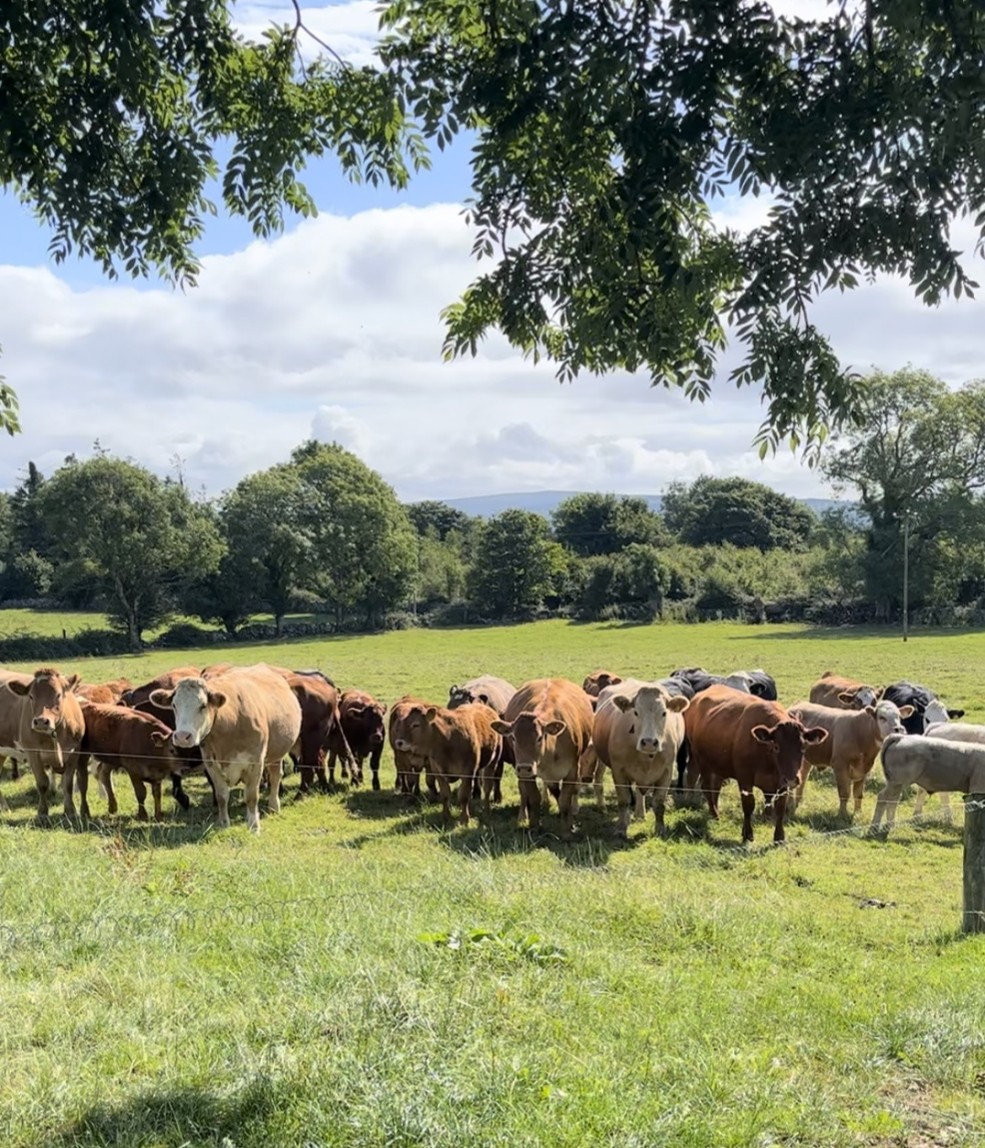
Figure 5: Cows and calves at grass