

Media
- Aonghusa won an award at the Teagasc/FBD Signpost awards
- Improvements made on the farm
- Watch video below

Aonghusa recently won a Special Recognition Award for Management and Improvement of Breeding in the Teagasc/FBD Signpost awards.
He was one of 10 finalists in the national awards, which recognise farmers combining environmental sustainability with productive, profitable farming.
His 59-hectare suckler farm has achieved several improvements:
He also participates in ACRES, SCEP, Beef Quest and the Teagasc Future Beef/Signpost programme, and hosts farm walks and international visitors.
You can watch his video here:
Aonghusa had 6 cull cows picked out for sale. Three of them had shown inconclusive results for TB, 2 were not in calf after the breeding season and 1 had lost an embryo. He decided to blood test them before sale and they came back positive for leptospirosis. Aonghusa has never vaccinated for it on his farm before.
It is a bacterial disease that affects cattle and can cause fertility problems, abortions and illness. The bacteria can be carried by infected cattle and wildlife, particularly rats. Infected animals can shed the bacteria in their urine, contaminating water, feed and the surrounding environment. Other cattle can become infected through contact with contaminated water or feed, or through contact with infected animals. The effects can vary depending on the strain of bacteria and the animal infected. Signs can include:
Good biosecurity, controlling rat populations, avoiding contaminated water sources and managing contact with potentially infected animals can help reduce the risk of infection. After discussing the results with his vet, Aonghusa has decided to vaccinate the breeding stock. The primary course is a 2-shot programme, 4 weeks apart, with a single booster shot every 12 months. It is relatively inexpensive at ~€3/shot.
23 cows and 10 heifers are expected to calve in spring 2027 after this year’s breeding season. They have been vaccinated against lepto and the cull cows were sold on 1st September.
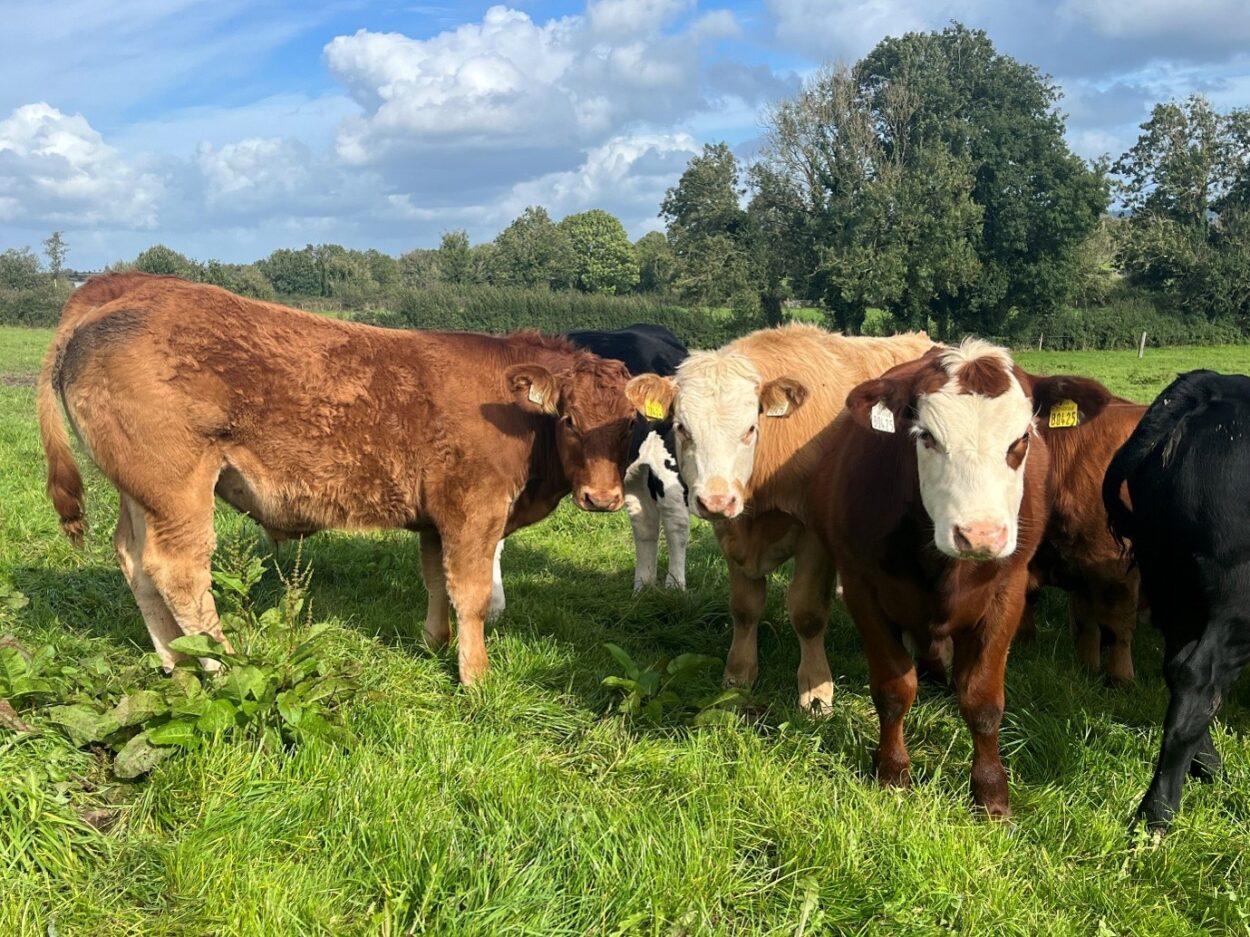
Figure 1: Some of the 2026 born calves that are now weaned
Aonghusa sold his 6 cull cows live on 1st September. They averaged 634kg and averaged €3.18/kg. One heifer was sold on the same day at 585kg for €1840.
On 19th September he sold 19 bullocks from the outfarm in Tualla. They averaged 591kg and made €3.74/kg.
He currently has 37 cattle in Tulla and plans for 30 of them to go back to grass in 2027, joining 20 of this year’s weanlings. Five AAX weanlings were bought in privately on 9th October for grazing next year, and Aonghusa plans to buy another 15 to have sufficient grazing stock for Tulla.
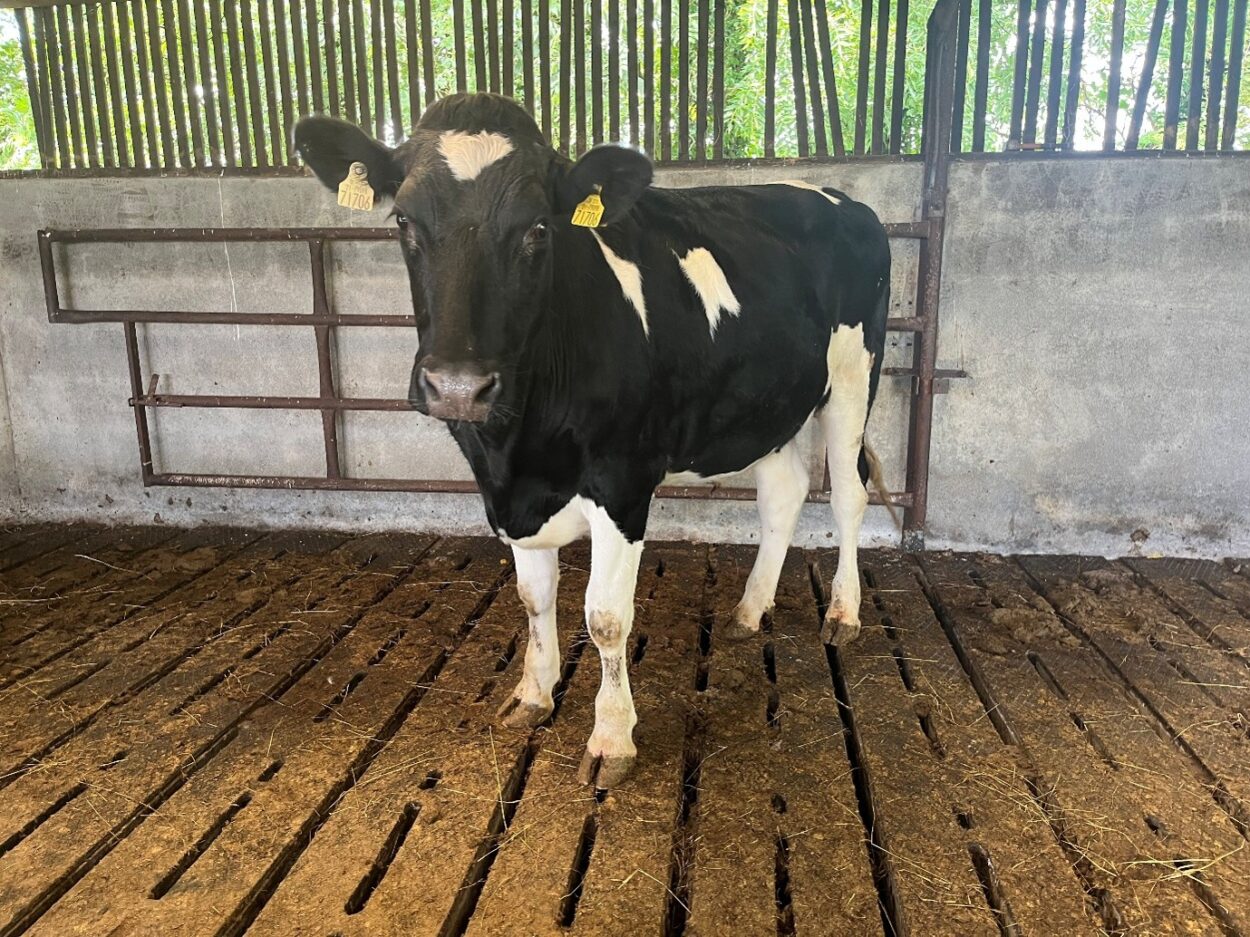
Figure 2: FRX bullock which will be finished this autumn