
Breeding
- Breeding season summary
- Scanning results for synchronisation programme
- Breeding heifer selection

This year’s breeding season began on 23rd April and continued until mid-July, lasting for 12 weeks in total. John and James began by synchronising any cows that were over 35 days calved and fixed time AI’ing them once to either SI4250, SI4350 or CH4321. The Simmental AI bulls were for maternal traits to produce replacements, while the Charolais bull was for terminal traits on less maternal cows. These cows were scanned on 5th June and 34 out of 53 were in calf, resulting in a 64% conception rate to first serve.
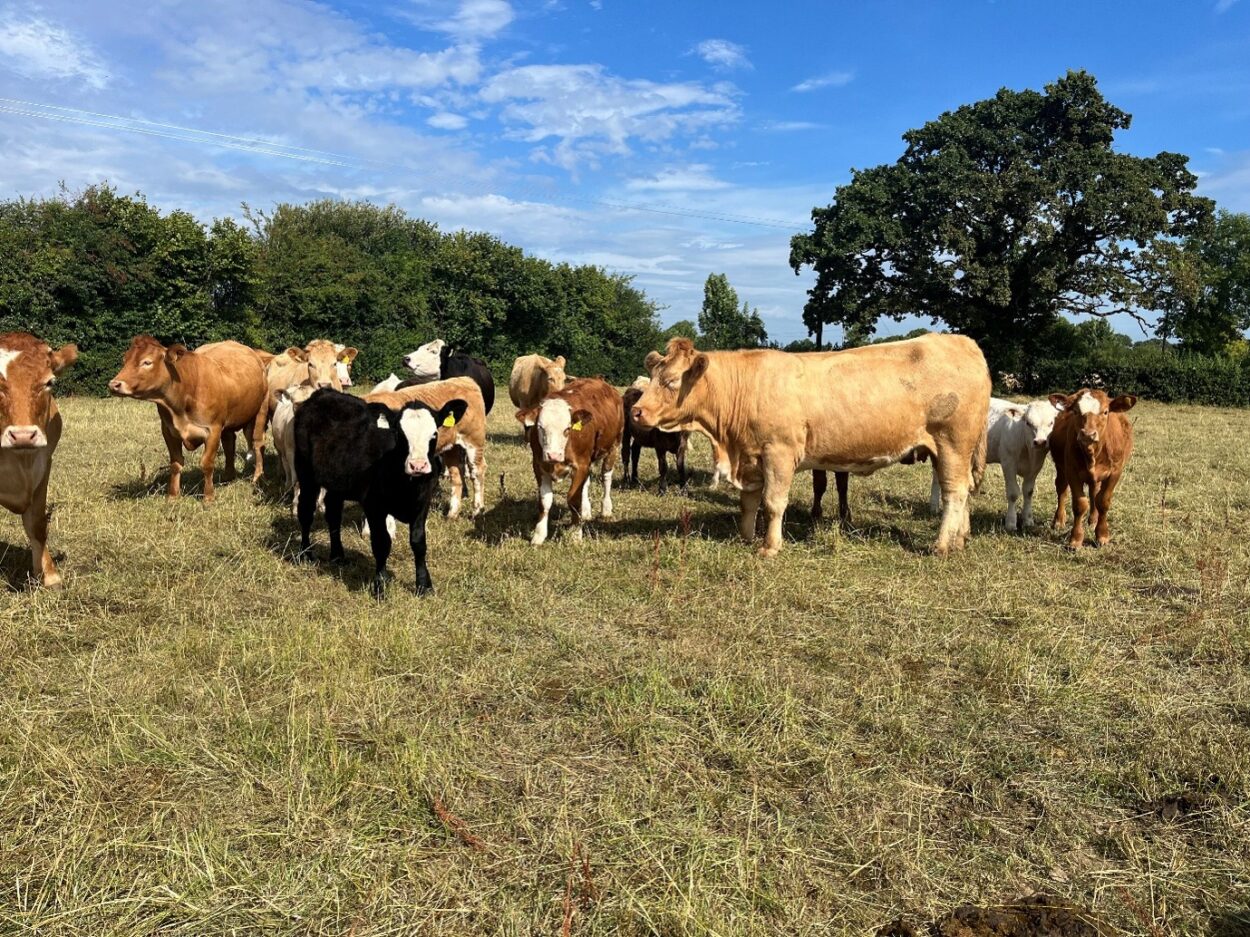
Figure 1: Some of the suckler cows with this year’s calves
For any repeat serves and the cows not AI’d were bred to the Charolais stock bull. However he became lame during the breeding season and ended up being put to sleep on 2nd June. John and James purchased another Charolais bull who was sired by Fiston and has excellent terminal traits:
The heifers were bred to the Angus bull on the outfarm in Rathfeston. They are due to be scanned in September, along with the rest of the cows. Any cows not in calf will be culled.
Breeding heifers will be selected over the coming month for next spring and will be penned together for ease of management over winter to ensure they meet their target weight gains. 17 suckler and 5 dairy beef heifers were selected for breeding in 2027. Their average Eurostar index is €148, which is much higher than the herd average of €103. The average daughter milk figure is 8kg, above the herd average of 4.4kg and the average carcass weight figure is 14kg, which is slightly lower than the herd average of 17kg. The dairy beef heifers are lowering this, but John and James plan that in time they will not have to bring any dairy bred females into the herd and this will rise with the suckler bred stock.
Their target is to calve 90 cows in 2028 and to do this they will need to have over 100 cows for breeding, including 18 heifers coming into the herd each year. If these heifers continue to meet their weight targets over winter, they can be bred at 14-15 months to calve at 24 months of age.
The suckler calves are due to receive their vaccines against respiratory disease pre-weaning. They will be given 1 shot of an IBR live vaccine, on the same day as a Bovipast vaccine. The Bovipast booster will be given 4 weeks later to provide protection against RSV, Pi3 and Mannheimia. The creep feeder is in the field with them since 7th August and a good number are already using it.
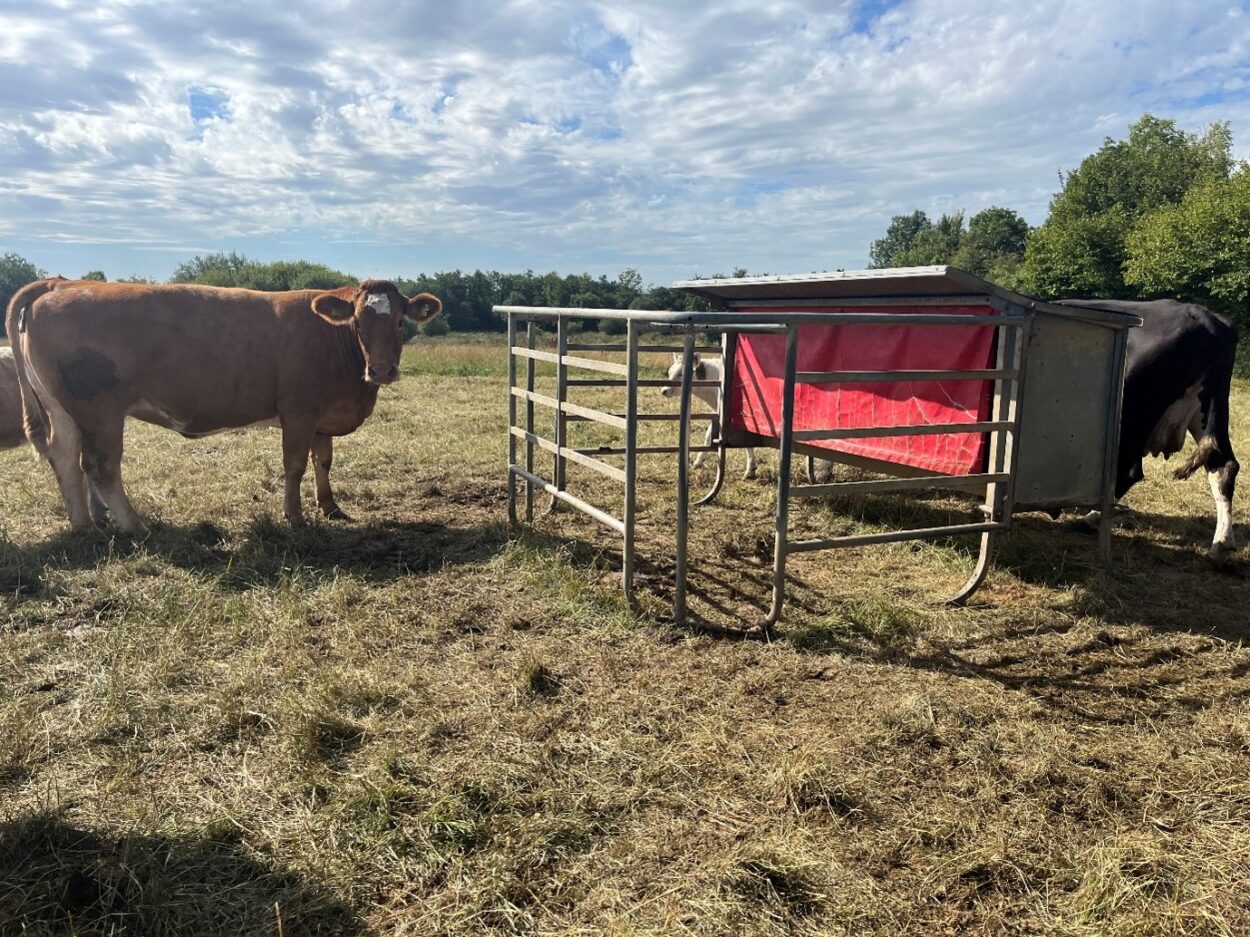
Figure 2: Creep feeder for the suckler calves
The dairy beef bullocks will be castrated in late August using a burdizzo. A non-steroidal anti-inflammatory drug (NSAID) will be given to them at the time of castration.
Unfortunately the herd had several positive cattle in the herd test on 20th August. They were all on the outfarm and have been brought home for sale as soon as possible but kept separate to the cattle on the home farm.
The dairy beef calves were weighed on 24th July. The heifers (74) averaged 115kg and gained 0.5 kg/day since birth. The male calves (57) averaged 124kg and gained 0.52 kg/day since birth. They are currently eating 2.5kg of ration/head/day.
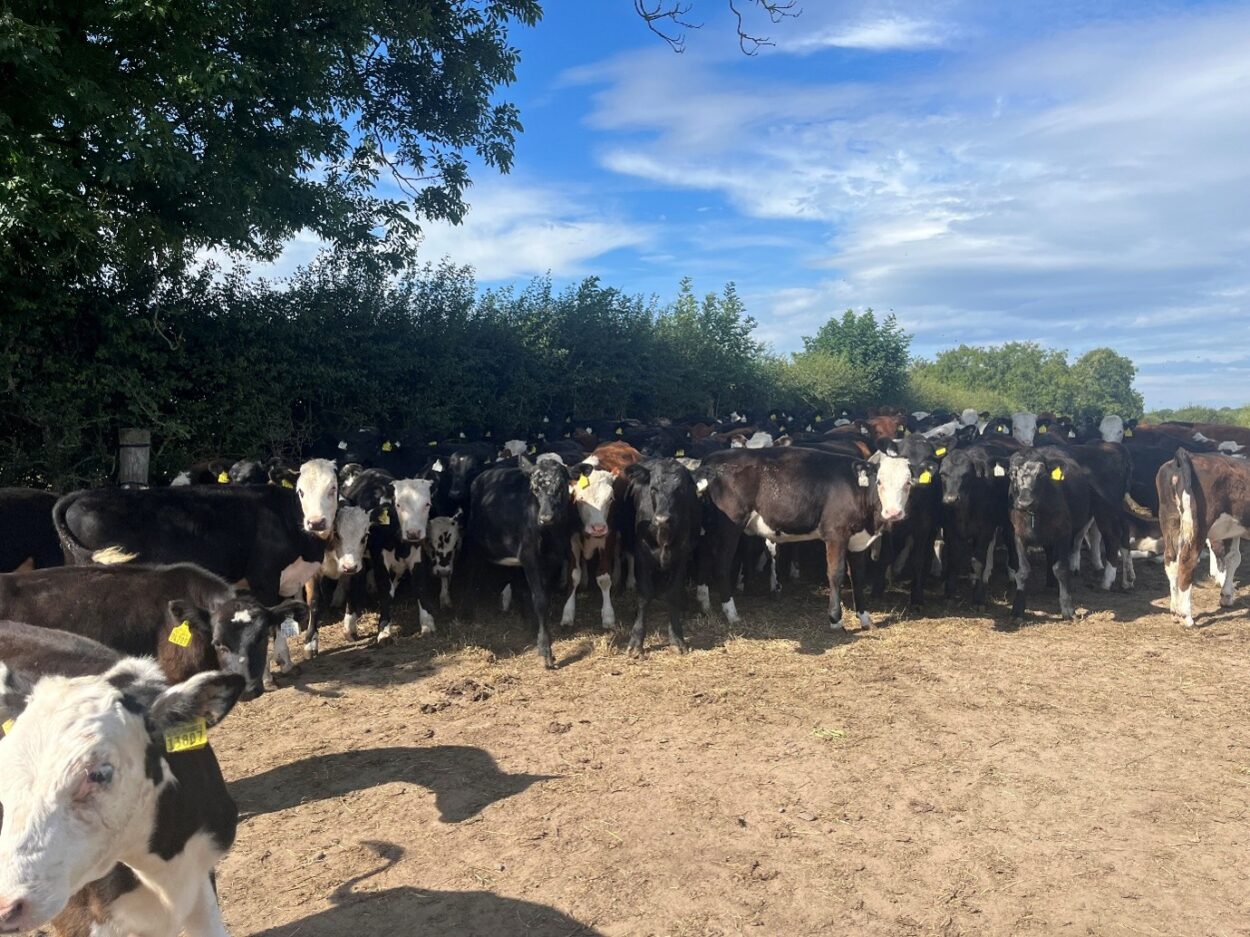
Figure 3: Some of this year’s dairy beef calves
The suckler beef calves were weighed on 30th July. The heifers (36) averaged 187kg and gained 0.97 kg/day on average since birth. The male calves (3) averaged 196kg and gained 0.96 kg/day since birth.
The suckler beef weights are below the target of 1.1kg/day for heifers and >1.2 kg/day for the male calves. On analysis of the calves with an ADG below 0.9kg/day, it was found that 11 cows were bought in and their calves had poor performance in 2024/2025. A further 12 were home bred stock, mainly Charolais that has poor milk figures and again had poor calves in 2024/2025. Due to repeated poor performance in calves and poor milk figures these females have been identified as potential culls for next year to improve the herd performance.