



Animal Nutrition
The spring barley was harvested on 13th August. Approximately 90t was harvested from 40 acres, yielding 2.25t/acre at 12.5% moisture. John and James don’t have enough shed space to store it so are selling some at €210/t. Over 170 bales of straw were made too, with excess sold from the farm. The rest will be kept for bedding over the winter.
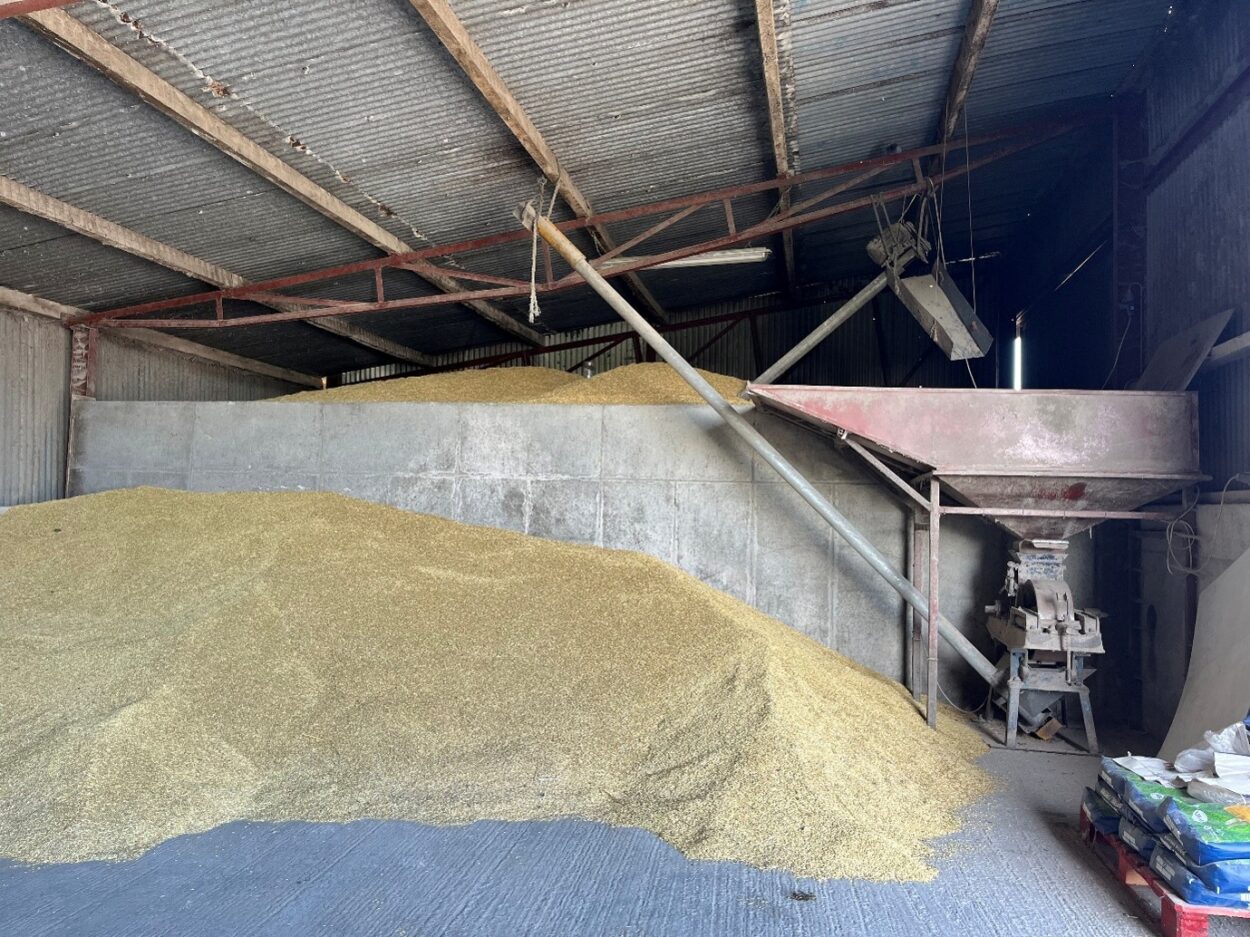
Figure 1: Barley in the meal shed beside the machine for rolling it
The dairy beef calves are eating 1.8 kg of ration/head/day while grazing the red clover field. John and James plan to spread watery slurry on it after grazing to empty the slatted tanks as there are excellent re-growths on it and will cut it 6 to 8 weeks later. Docks are becoming an issue in the red clover crop but spraying it now may check the grass growth. ProClova XL can be sprayed on it after Year1 of establishment between 1st March and 1st October so it may be better to defer it to the spring to get a good crop at cutting.
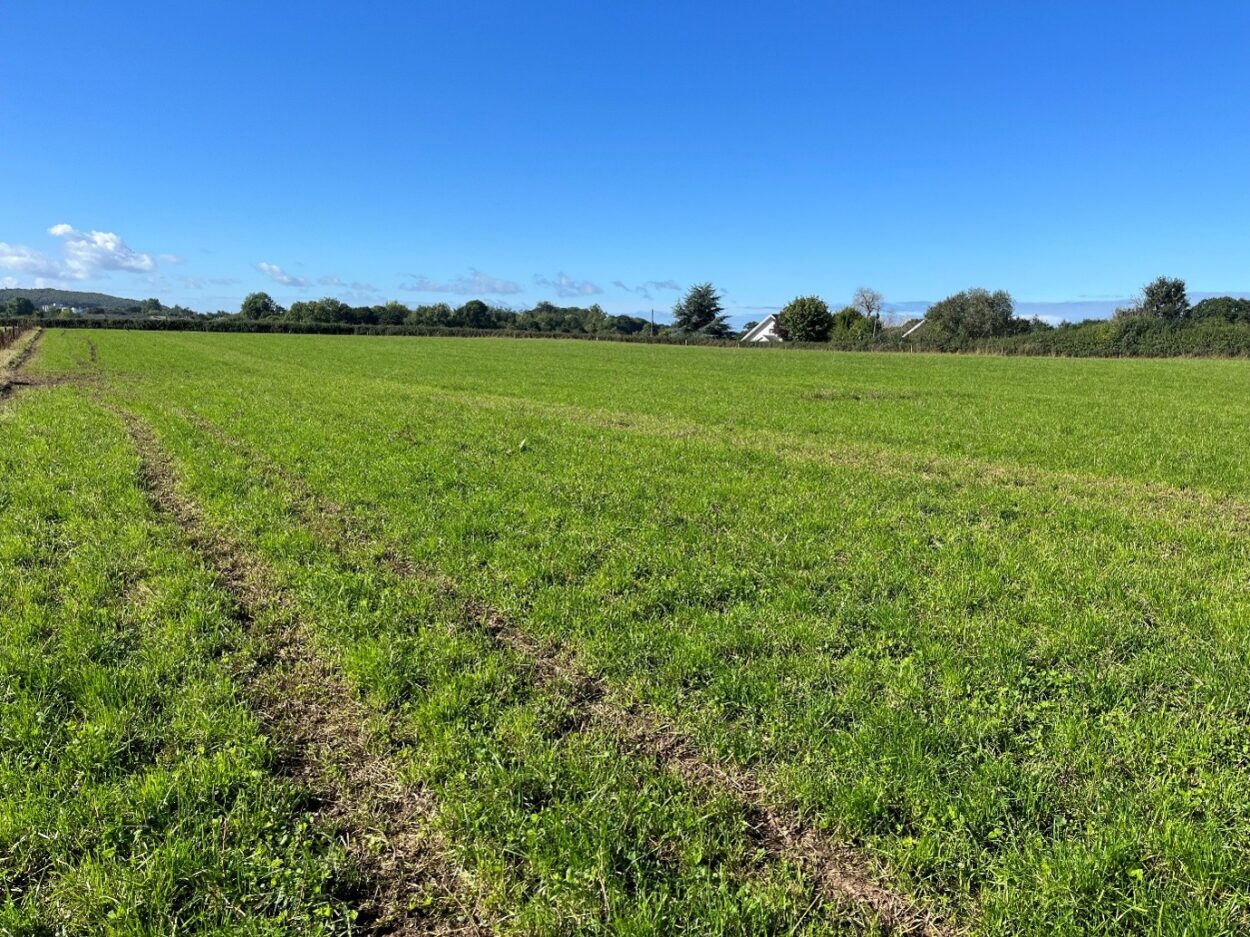
Figure 2: Regrowth on the red clover crop within 1 week of grazing
The TB situation means that they will have extra cattle to house over the winter this year. They have 2 full silage pits, 9ha of forage rape and will require 640 bales of silage for the winter period. That will feed 85 suckler cows, 195 weanlings, 2 stock bulls and 195 yearlings, while feeding 1.5 kg of ration/head/day to the weanlings and 3 kg/head/day to the yearlings.
26 units of nitrogen/acre was spread across the whole farm in the last round of fertiliser to help build covers for the autumn to reduce winter feed demand.
Performance
The TB reactors were sold on 3rd September. Five heifers were sold to the factory at 18 months of age, 1 bullock at 30.8 months and 1 cow.
The cows and calves were weighed on 16th September. The suckler beef heifers (36) averaged 218kg and gained 0.65kg/day since 30th July. The bull calves (30) averaged 225kg and gained 0.61 kg/day during the same timeframe. The average daily gains are well behind the target of over 1kg/day, despite them having access to ration and not being weaned yet. Rumen fluke was an issue in last year’s calves, which appears to be picked up form grazing fields along by the river so they need to dosed with Levafas Diamond immediately. Visually there are no obvious symptoms that they have it, but the weights are the best indication.
The suckler cows were weighed on the same day and they averaged 611kg.
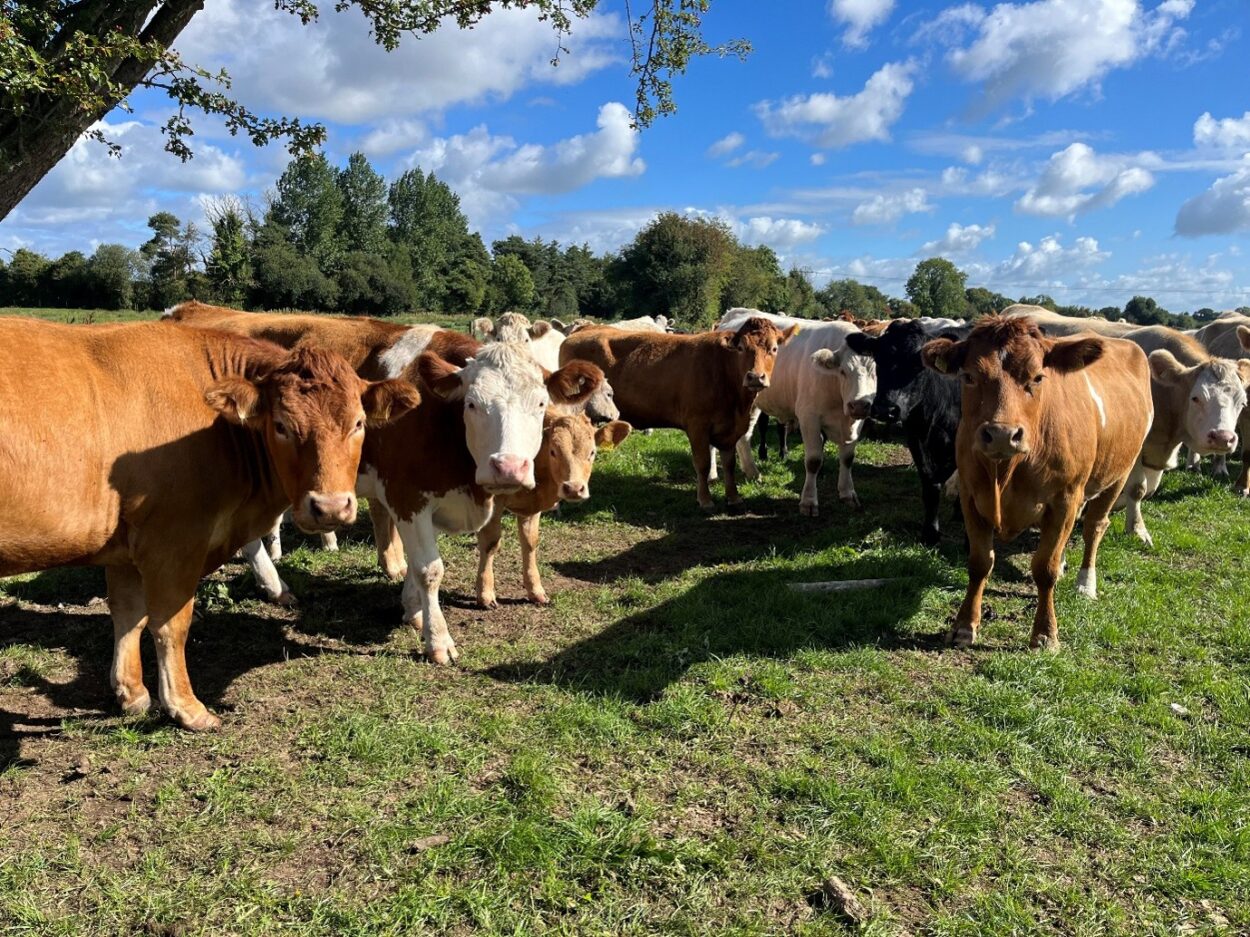
Figure 3: Some of the suckler cows with their calves
In contrast to the suckler calves, the 2026 born dairy beef calves have performed very well in the last 2 months up to 21st September. They were grazing the red clover field and the heifers (77) averaged 158kg after gaining 0.71kg/day since 24th July, while the bullocks (59) averaged 176kg after gaining 0.84 kg/day during the same time.
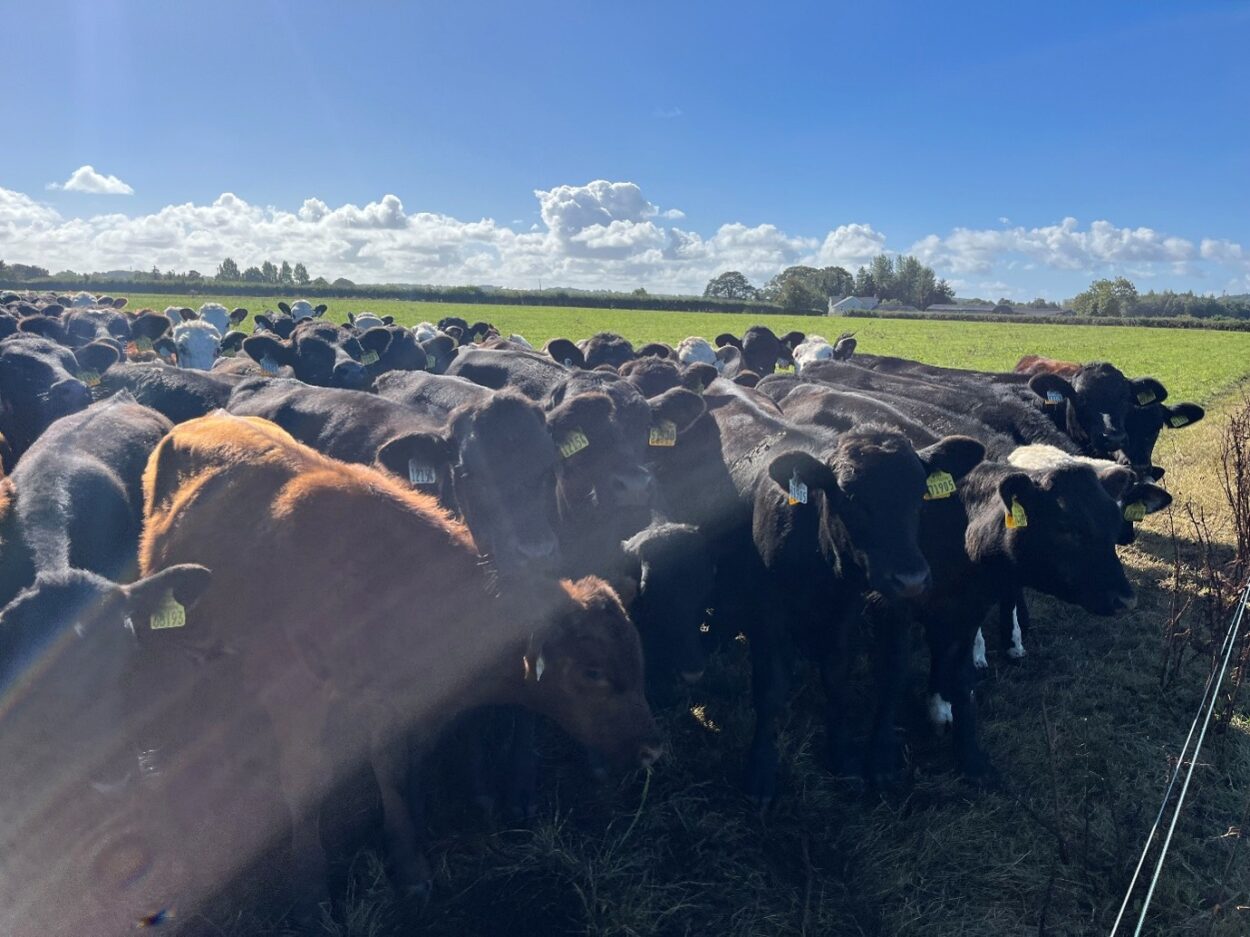
Figure 4: Dairy beef calf performance has been good over the summer
Soil Fertility
With the last date for spreading fertiliser on 14th September, John and James have been examining their fertiliser limits for the year. They have 38 acres of grassland reseeded and wish to spread 10-10-20 on it to help with establishment.
Their first step was to check fertiliser allowances for the year from their nutrient management plan. According to this they are permitted to spread 26,540 kg of nitrogen and 2,060 kg of phosphorus for the farm based on their latest soil sample results.
Their fertiliser usage for the year is easily checked on the DAFM fertiliser register which shows that they bought 7,526 kg of nitrogen and 1,330 kg of phosphorus until the middle of June. While records need to be checked in case any other fertiliser has been bought in that time that is not yet appearing on the system, it gives them a remaining balance of 19,014 kg of nitrogen and 730 kg of phosphorus.
To calculate how much 10-10-20 they can buy, 730kg (balance) is divided by 100kg (per tonne) which amounts to 7.3 t of 10-10-20. At a rate of 2 bags/acre across 38 acres they will only need 3.8t so are not in danger of breaching their chemical fertiliser P limits for 2026.