
Breeding
- Breeding is well underway with 69/79 females served in 2.5 weeks
- AI bull selection finalised
- Body condition score is on target


The breeding season commenced on 28th of October, with 27 females bred during the first six days. This included nine heifers and 18 cows, representing a good start to the breeding programme.
Of the 79 females in the herd (20 heifers and 59 cows), 69 (19 heifers and 50 cows) have now been bred after 2.5 weeks, with breeding activity continuing across the remaining herd.
The following stock bulls are being used:
Early breeding activity and continued monitoring of heats and conception through the Sensehub system are all helping Ken to achieve his breeding progress. Particular attention was given to maiden heifers this year to ensure they are cycling and in adequate body condition at the start of breeding. Ken also provided extra feeding space for them this year as they are mixed in with the cows to minimise any bullying.
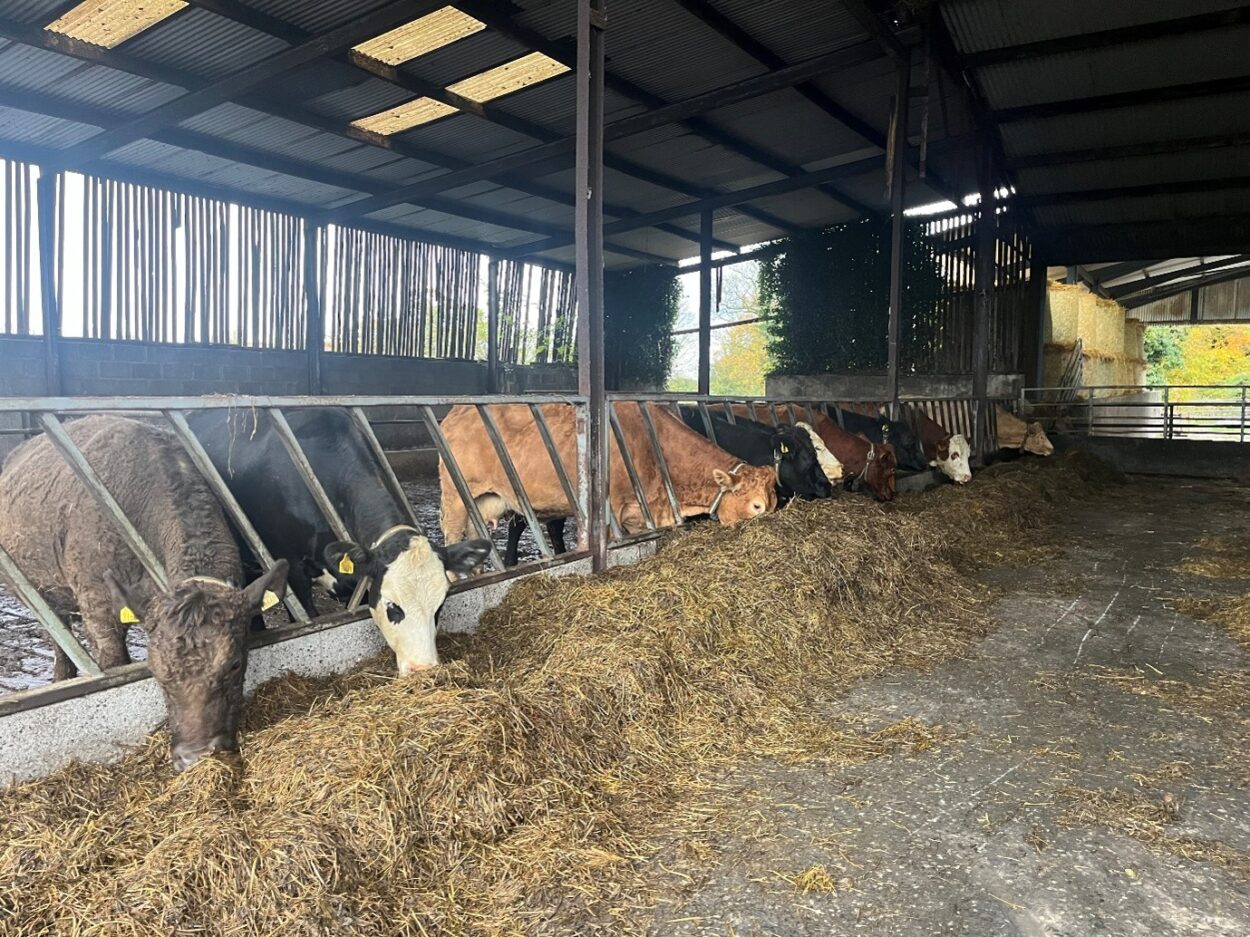
Figure 1: Extra feed space allowance minimises bullying of the heifers
Body condition scoring is also an important part of winter management. Cows are monitored to ensure they are in the correct condition and thanks to a good autumn, they are in target condition since housing. The calves are grazing paddocks near the yard by day which has also helped to promote heat activity by breaking the maternal-offspring bond.
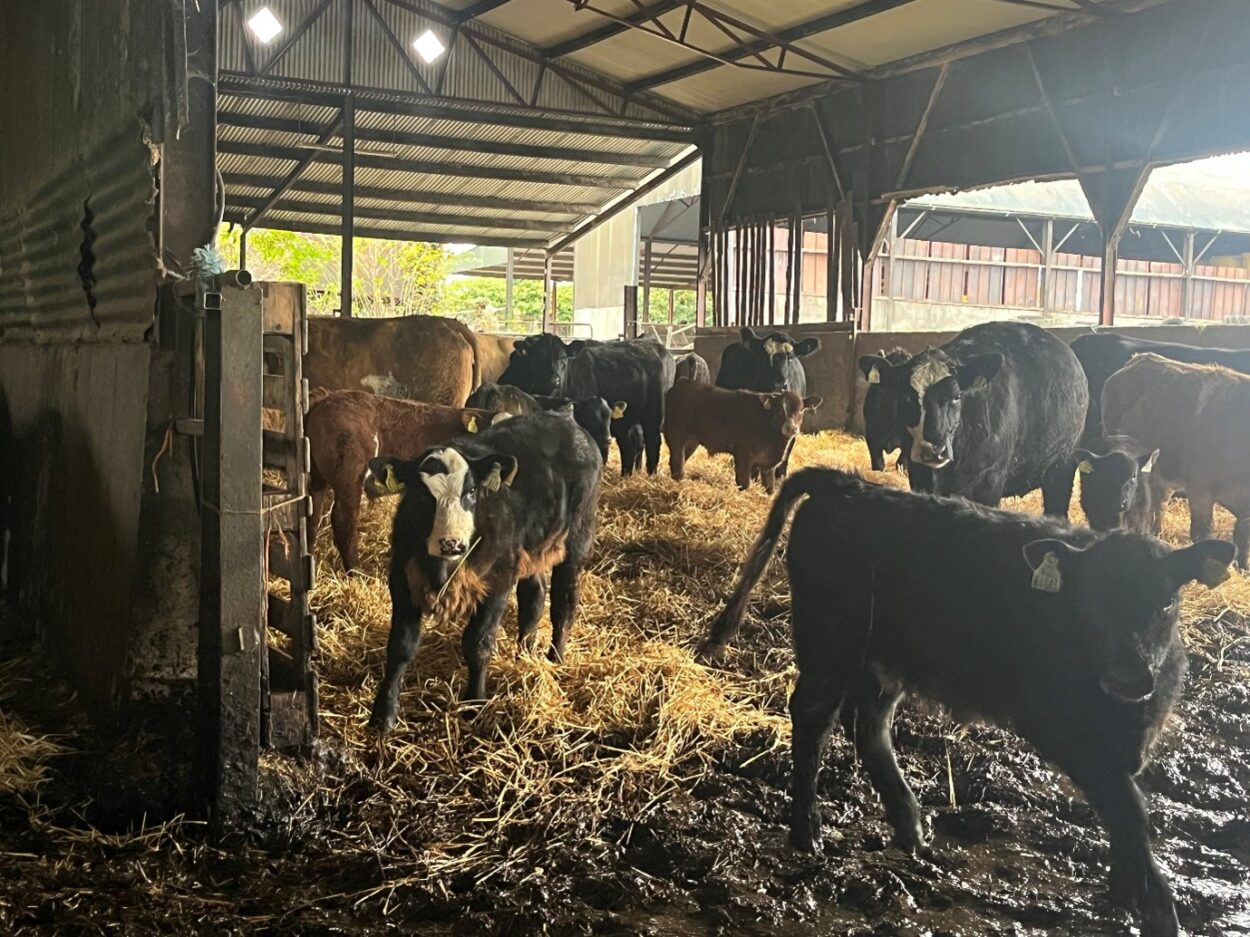
Figure 2: Some of this year’s calves with their cows
Hedgerow management is an important part of maintaining biodiversity on the farm. The decision has been made to delay hedge cutting until December, allowing berries to remain available as a food source for birds and other wildlife during autumn.
Hedges are currently approximately 10–12 feet high, with a preferred management height of around 6–8 feet. Maintaining hedges at a manageable height is important to encourage dense growth and prevent them from becoming excessively tall and gappy at the base.
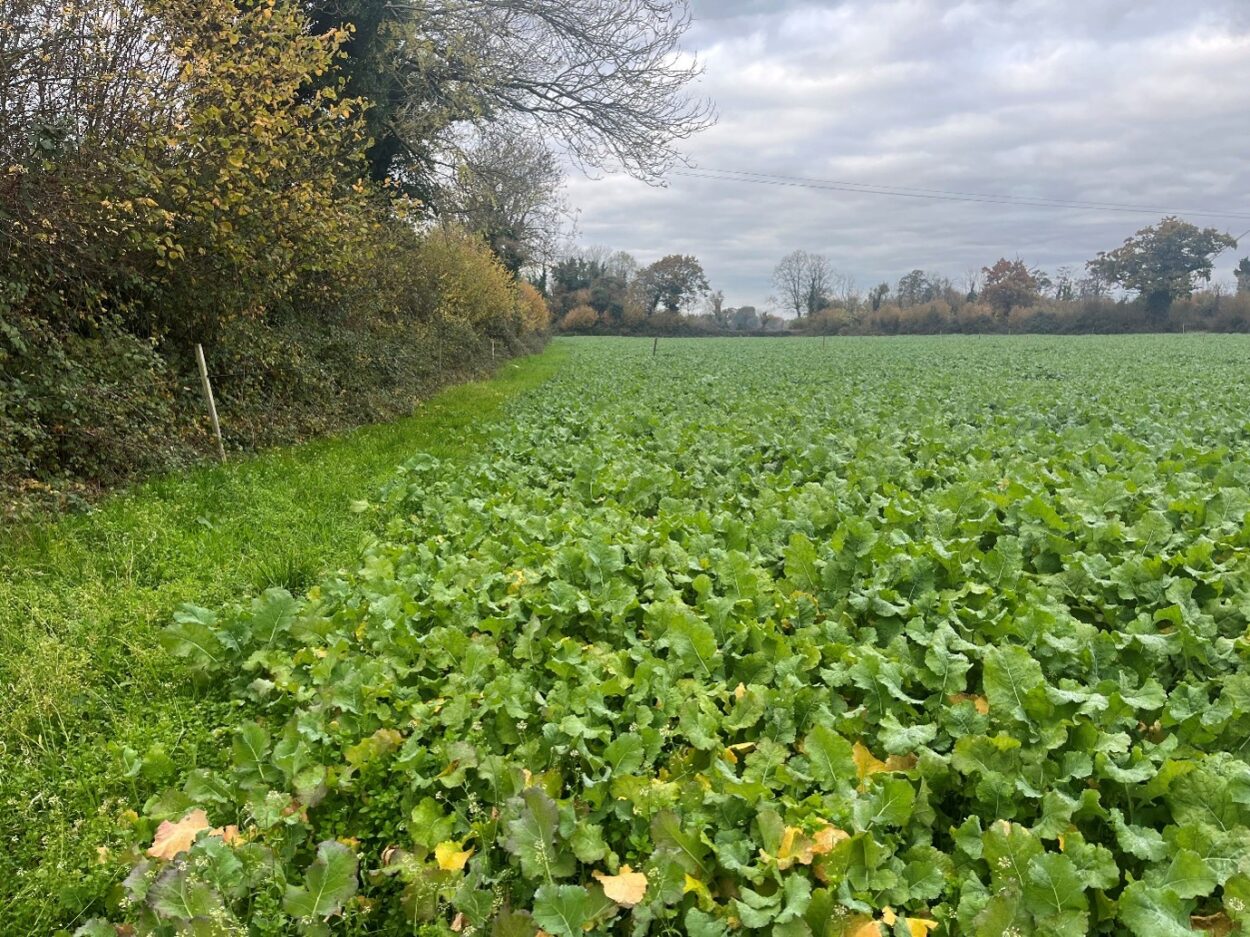
Figure 3: One of the well-grown hedges on the farm
Ken’s aim is to retain a thick, well-structured hedge while allowing selected trees to grow upwards along the hedgerow. This provides additional habitat diversity, shelter and nesting opportunities for wildlife.
A balanced approach to hedge management, combining regular trimming with the retention of mature trees and suitable sections of uncut vegetation, helps to improve biodiversity while maintaining practical field boundaries.
Four cows were sold on 1st October, achieving an average carcass weight of 320kg and grading O+4-. The average price received was €6.89/kg, giving an average carcass value of €2,037 per head.
Carcass performance – 2026 compared with 2025
Bullock performance has improved year on year, with an additional 17kg carcass weight achieved at a similar finishing age. Heifer carcass weights were slightly lower than in 2025 at a slightly higher age (0.3 months). Overall, the bullock results demonstrate positive progress in carcass output and finishing performance.
This trend appears to be increasing with the latest weighing results in the yearling cattle. 34 bullocks were weighed on 6th November when they averaged 503kg, after gaining 1.06kg/day since 25th March. This is the highest weight for age that Ken has achieved on the farm and they are 3-4 months ahead of their comrades since 2020. Similarly, the heifers (4) weighed 472kg after gaining 1.05kg/day during the same timeframe.
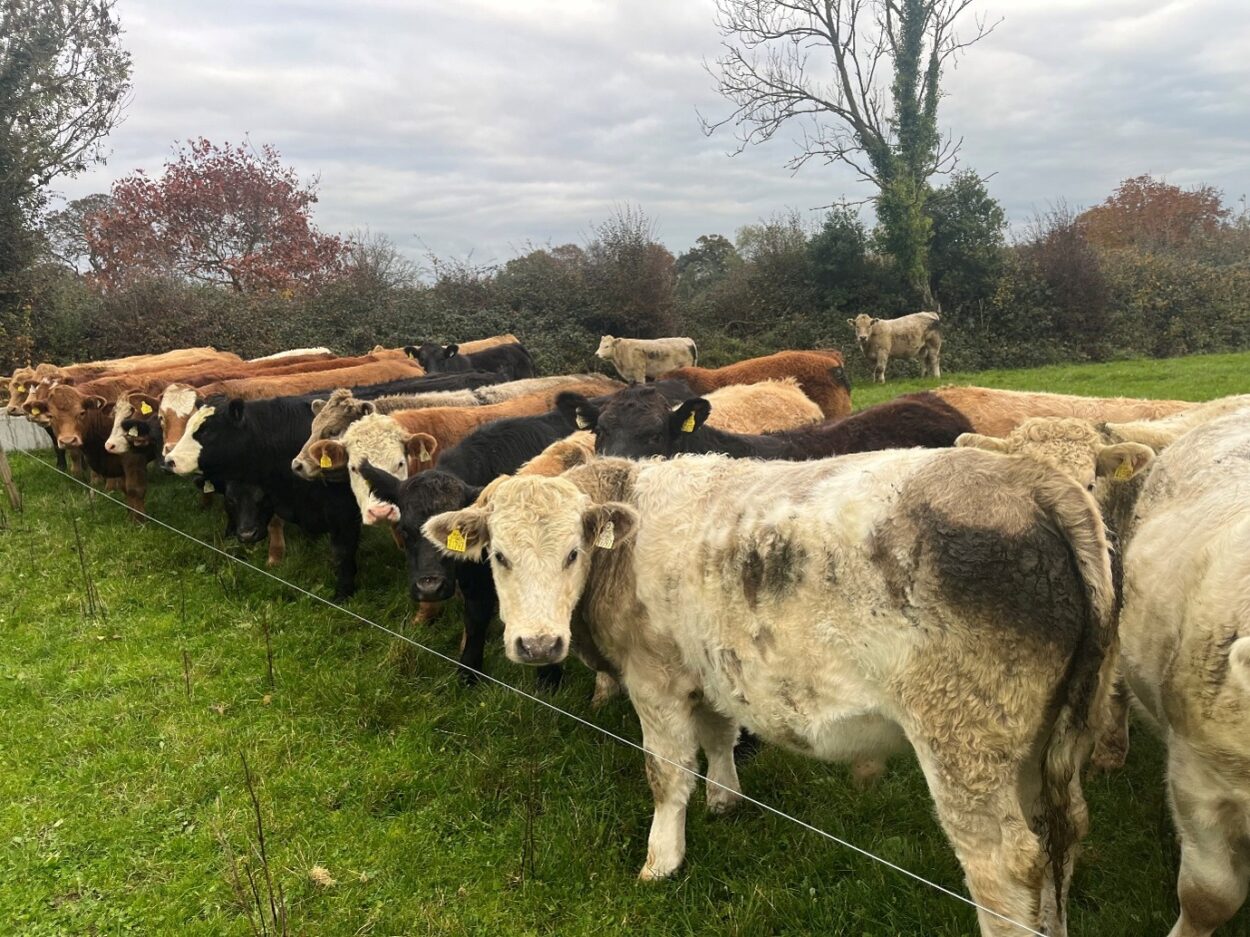
Figure 4: Store bullocks & heifers are still at grass
They will move across to the kale for grazing during the month of December/January and will then be housed on this year’s top quality red clover silage.
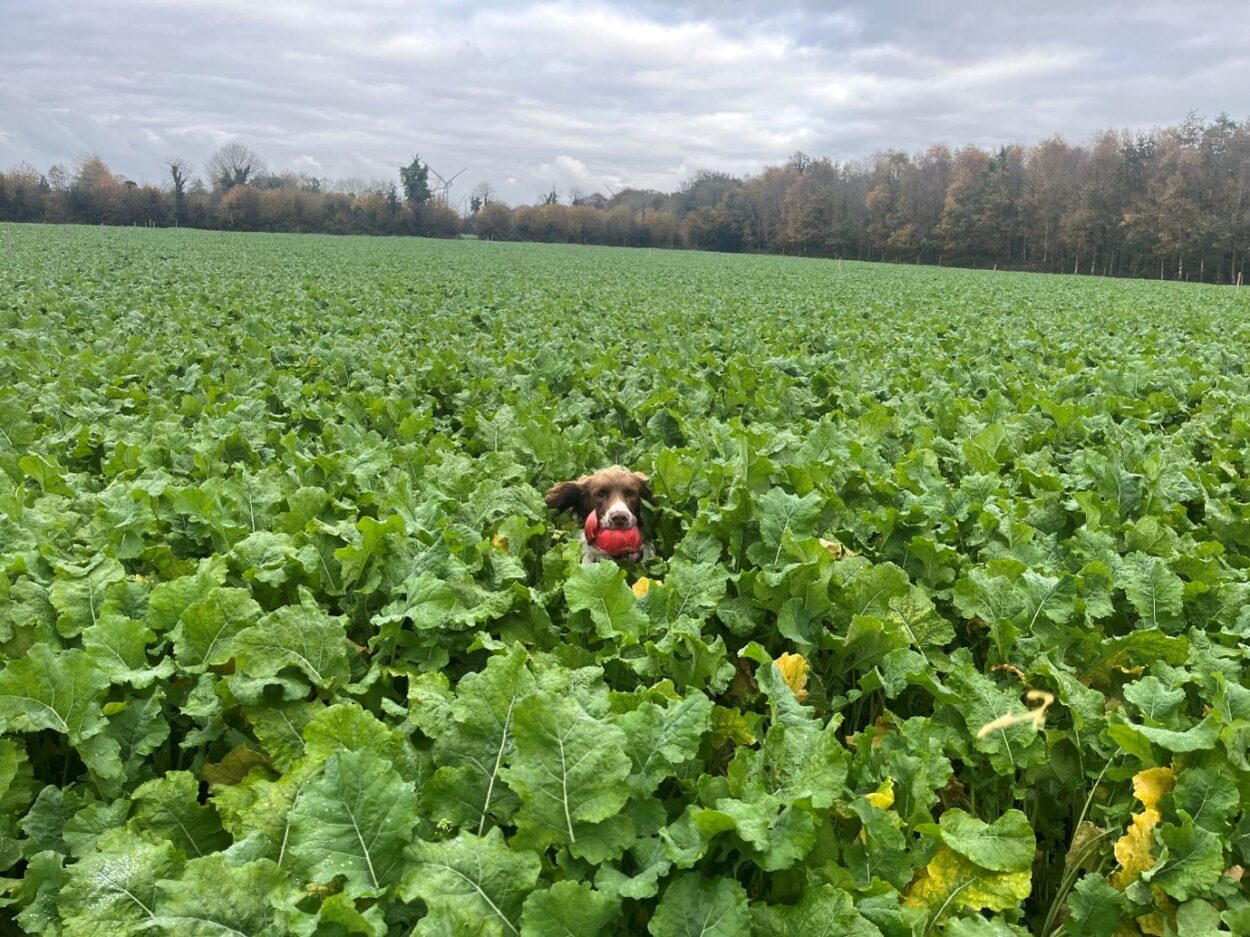
Figure 5: The crop of kale has grown exceptionally well this autumn