
Breeding
- Calving 2026 finished
- Small challenges, but successful season so far
- AI bull choices for breeding

Calving has progressed very well on Ken’s farm this year with all heifers and cows now calved. Three cows slipped embryos between scanning and calving, so 57 females calved in total. Only one calf died at birth from a heifer that was calving overnight and there were no sets of twins. Four calves needed assistance at birth from Ken; 3 were big calves and 1 had a foot down.
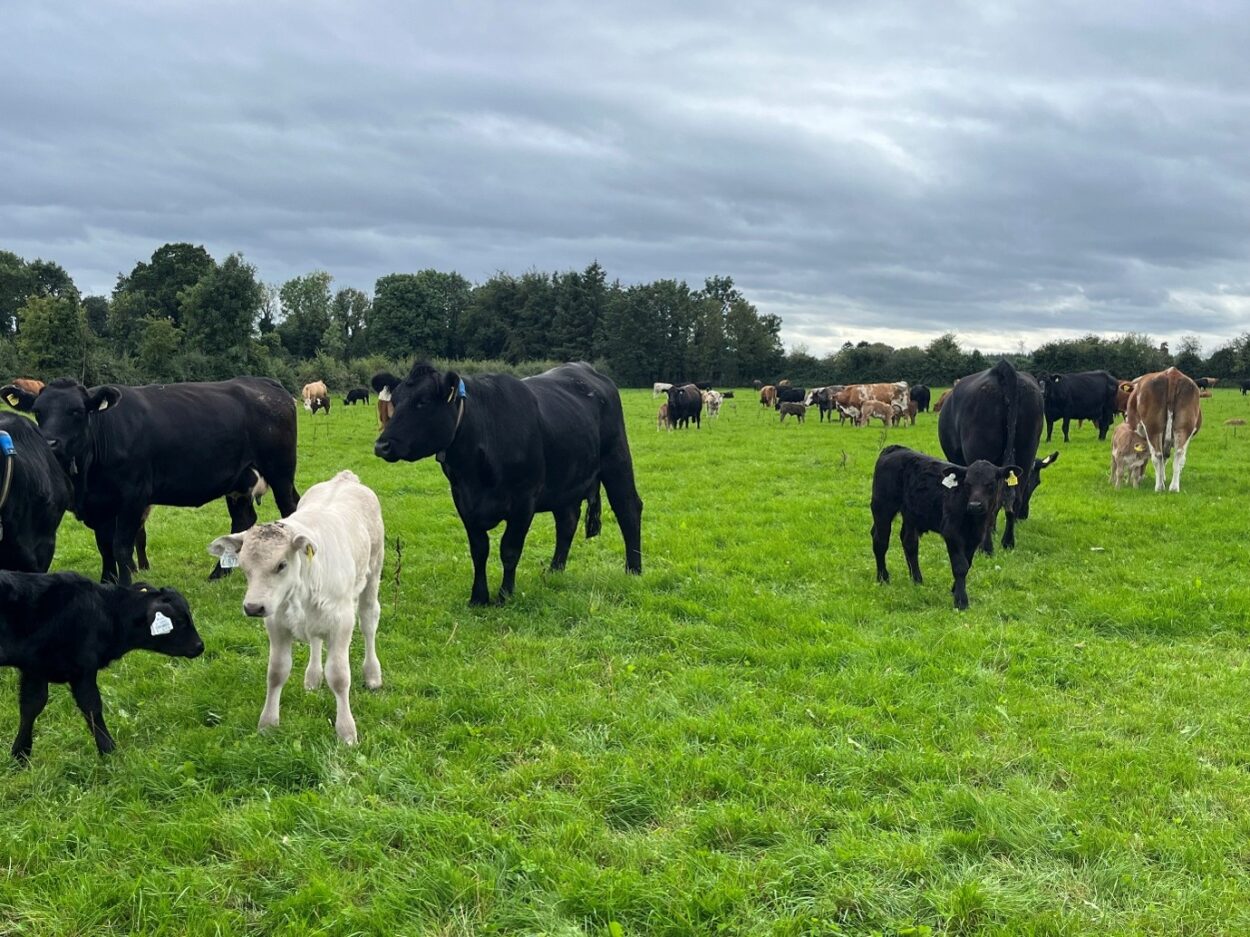
Figure 1: Cows and their calves on Ken’s farm
Ken’s focus has now moved towards this year’s breeding season. He is very happy with the genetic progress of the herd which now sits at €171 on the replacement index. The herd is at 12kg for carcass weight which he wishes to improve, but daughter milk at 6.9kg, daughter calving interval of -3.83 days and 0.04 for docility are all traits he wishes to maintain.
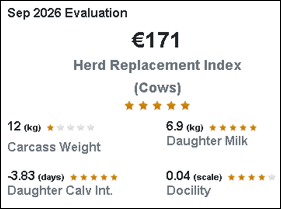
Figure 2: Replacement index figures for Ken’s herd (Source: ICBF)
When choosing AI bulls for this year’s breeding season, Ken focused on the following criteria:
The bulls were then matched to each cow base don the traits that require improvement and/or to maintain them. The bulls provisionally selected are:
Ken also checked the bulls on the ICBF inbreeding check to ensure that none of them were related, particularly as he has used Angus bull Prohurst Eoghan W759 (AA7485) in the recent past.
The breeding season will start on 2nd November and finish on 13th December, lasting 6 weeks in total. Only 1 cow has been selected for culling so 59 cows and 20 heifers will be bred this autumn.
The red clover crop has grown well in the autumn, but not well enough for a 4th cut. Ken decided that he would graze the crop with the yearling cattle this year. He added bloat oil to their water troughs before moving to the field and is continuing to add it as they graze the field. The field has been split into 2 divisions to achieve good graze outs, without damaging the growing point of the red clover.
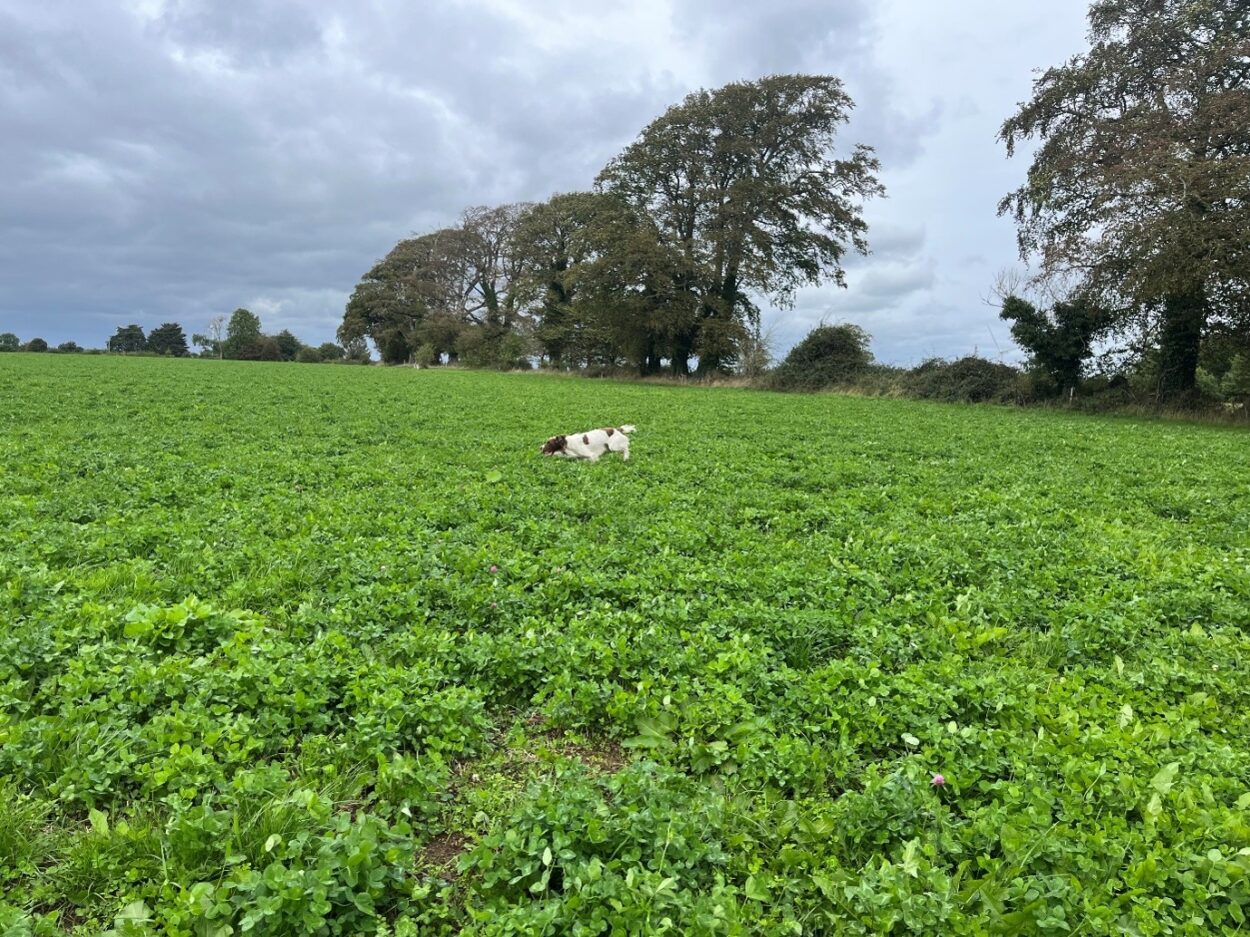
Figure 3: Red clover crop will be grazed this year
Grass growth has improved on the farm, and Ken is reaping the benefits from selling his finishing stock earlier this autumn to reduce demand. The farm cover is sitting at 670 kg DM/ha with a growth rate of 32 kg DM/ha/day and a demand of 21 kg DM/ha/day. There were 31 days of grass ahead on the farm on 29th September and all fields are back in the grazing rotation.
He plans to house the cows at the end of October, but the calves will continue to have access to grass over the winter. The yearlings will continue grazing until November and will then move across to the forage crop before housing.
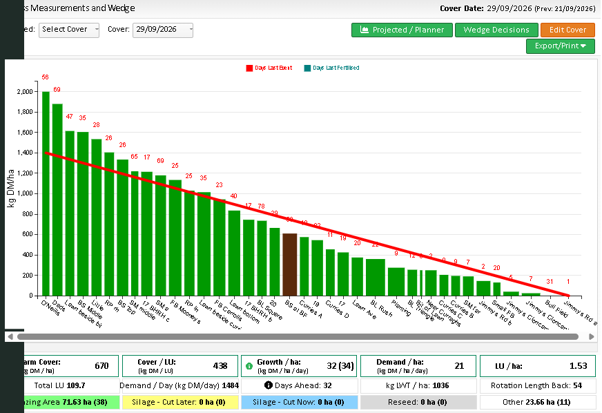
Figure 3: Grass wedge on29th September 2026
This year’s finishing heifers (23) were finished at 23.8 months of age on average. They were 307kg carcass weight and graded R-3+. In comparison to 2025 they were slightly lighter and slightly older. The average carcass weight in 2025 was 314kg at R=3+ at 23.5 months of age.
The bullocks (34) were finished at 24.2 months of age and weighed 364kg carcass weight. Their average grade was R=3=. They performed better than 2025 where they averaged 347kg carcass weight and graded R-3= at 24 months. Ken was exceptionally happy with the last group of cattle that were sold on 16th September that averaged 366kg carcass weight which is his target finishing weight.
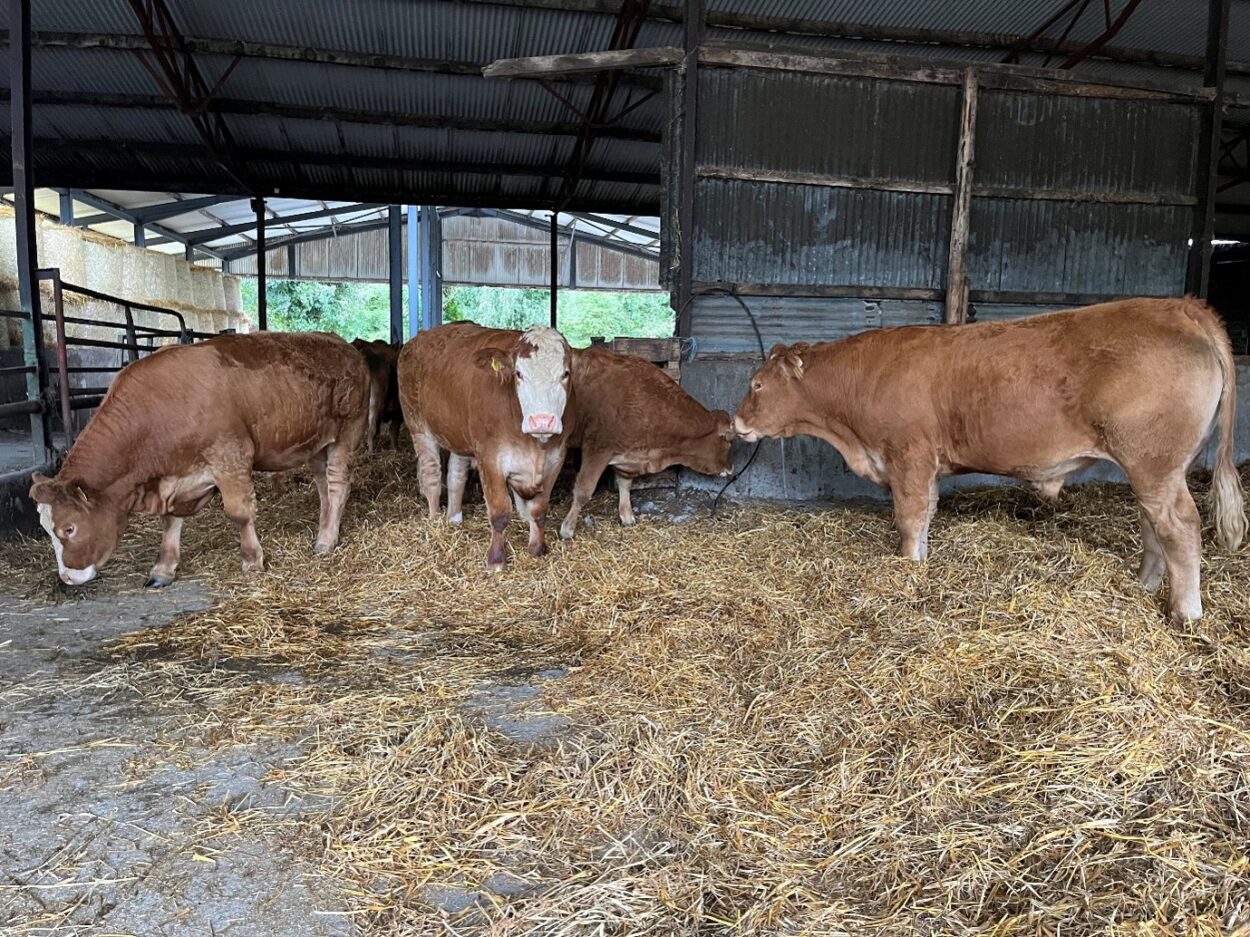
Figure 4: Some of the last bullocks to be finished from the farm this year