July 2026 Future Beef Newsletter
Sign up to receive the Teagasc Future Beef newsletter
Technical updates: Are your cows getting enough water? | Finishing beef cattle at grass – is feeding concentrates worth it?
Farm Updates: Olivia Hynes – Breeding & Calving Performance 2026 | Newford’s New Cattle Handling Facility Boosts Labour Efficiency and Safety
Top Tips | Upcoming Events | The Beef Edge Podcast
Top Tips for July
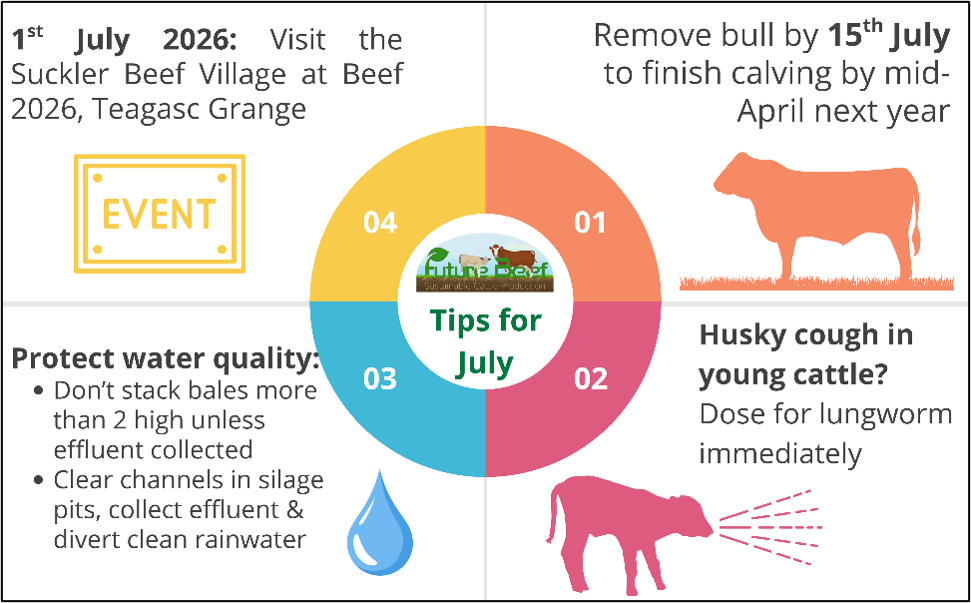
Upcoming Events
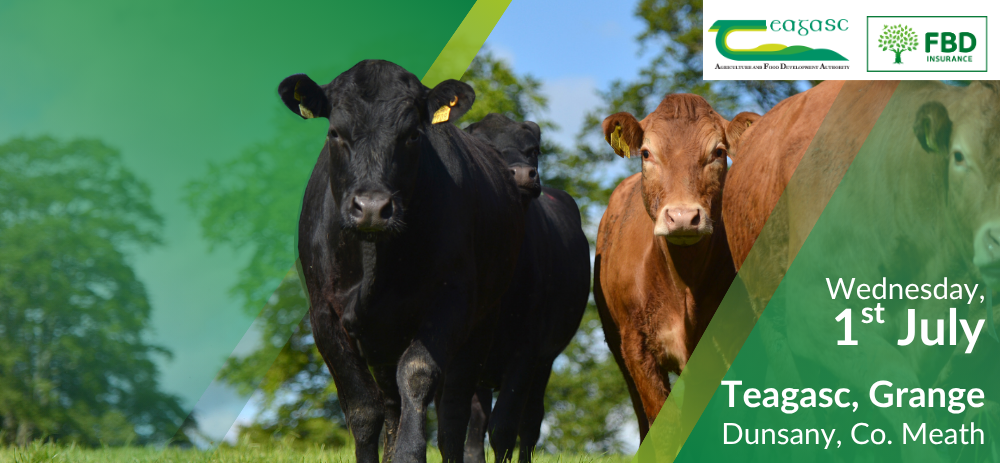
- Weds 1st July: Beef2026 Open Day at Teagasc Grange, Dunsany, Co. Meath
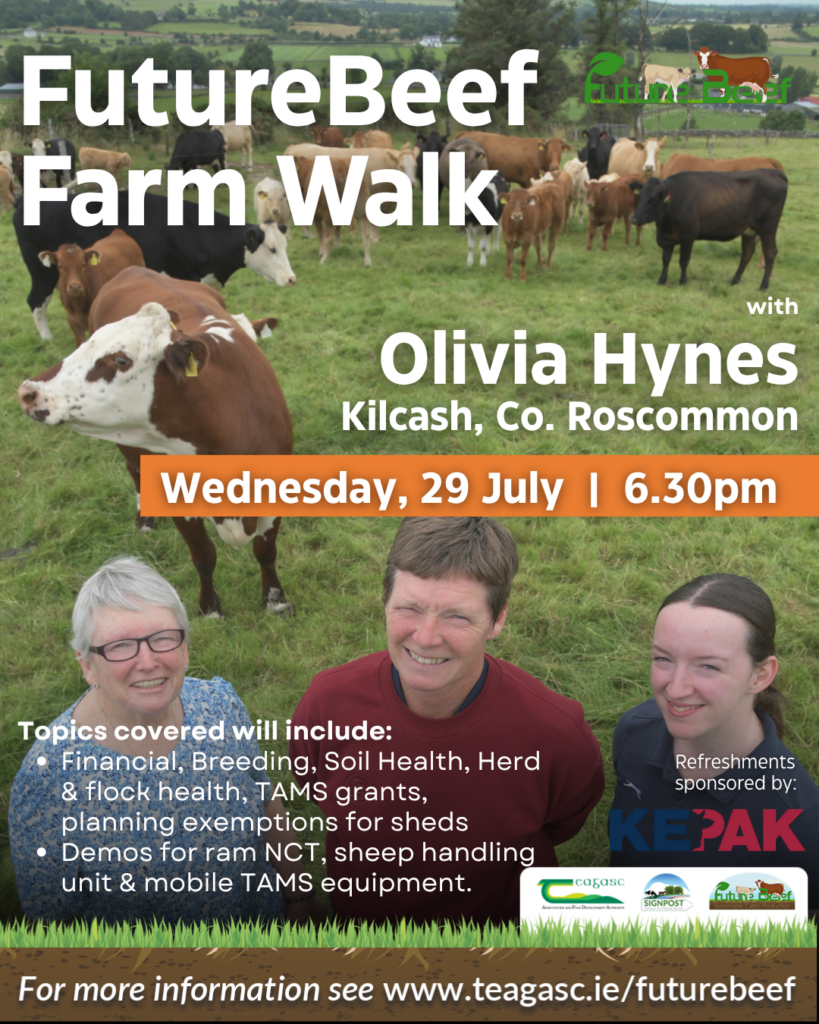
- Weds 29th July at 6.30pm: Farm walk on Olivia Hynes’ farm, Kilcash, Co. Roscommon. Signposted from Knockcroghery Village.
Technical Update: Are your cows getting enough water?
- Water is a key nutrient, directly affecting fertility, milk yield, calf growth rates, and overall herd performance in grass-based systems.
- Beef cattle typically require 10–15 litres of water per 100 kg liveweight per day, with demand rising significantly in lactating suckler cows.
- A suckler cow may drink 40–70 litres of water per day, with higher intake during peak lactation, hot weather, or when fed dry forages such as silage or finishing rations.
- Water intake in cattle can increase by 1.5–2 times during warm weather, making summer grazing systems particularly sensitive to water availability.
- Water trough size: The rule of thumb on trough size is 1.5 gallons or 7 litres per livestock unit. In larger herds you may need to have two water troughs per paddocks to meet demand.
- E.g. A herd with 20 suckler cows and calves will need a minimum water trough size of 40 gallons.
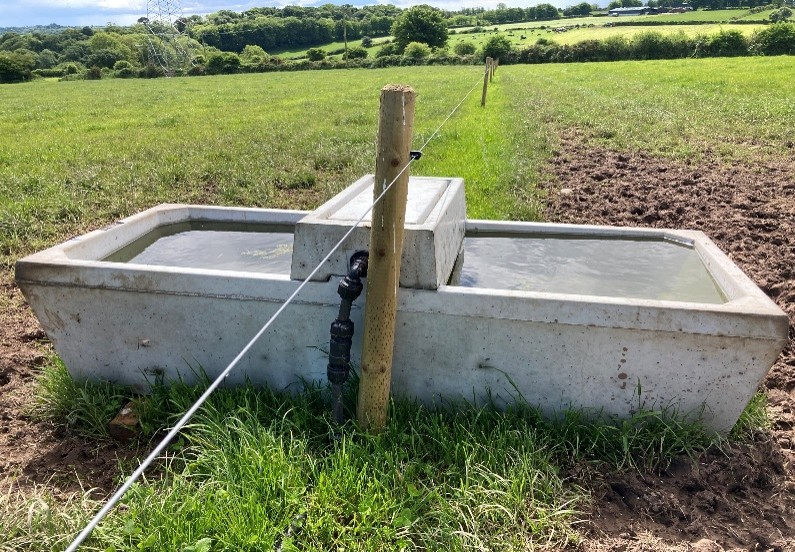
20 suckler cows & calves need a minimum water trough size of 40 gallons
- Water quality is just as important as quantity—clean, uncontaminated water supports rumen function and reduces disease risk.
- Water systems should be designed to meet peak herd demand, not average daily use, especially in spring-calving systems.
- Common issues include low flow rates, undersized pipes, dirty troughs, and faulty ballcocks, all of which restrict intake.
- Farmers should check water troughs daily at grazing, ensuring consistent supply across paddocks during the grazing season.
You can read more here.
Technical Update: Finishing beef cattle at grass – is feeding concentrates worth it?
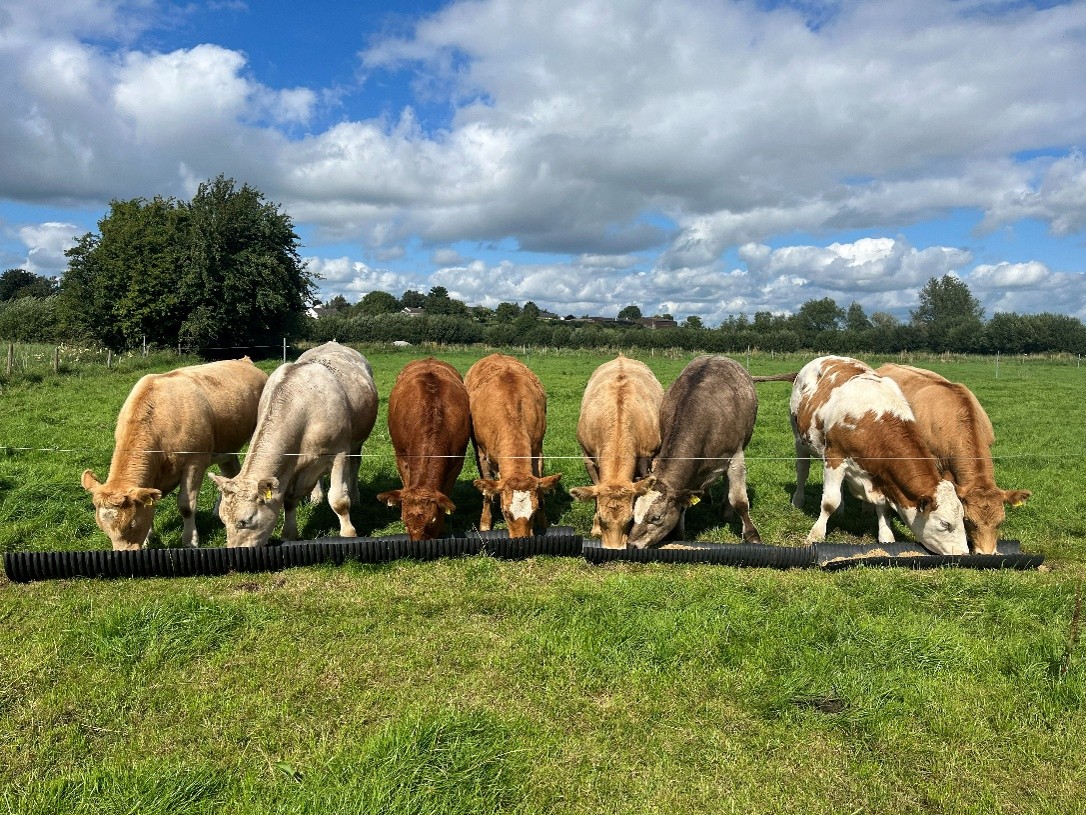
Feeding strategies should match grass supply, animal type, and market goals
- For farmers aiming to finish cattle off grass this summer/autumn, supplementing with concentrates can deliver strong performance gains and reduce winter housing time.
- Autumn grass is typically lower in nutritional value compared to spring grass, and poor weather can limit grazing. However, grass remains cheaper than silage, making targeted concentrate feeding an attractive option.
- Teagasc research at Grange shows that feeding concentrates at grass can significantly improve carcass weight and fat scores, especially when grass is limited. A key factor is the substitution rate – how much meal replaces grass in the diet. When grass is scarce, concentrates boost total dry matter intake and energy, improving weight gain.
- In trials with suckler steers, feeding 5kg of concentrates daily for 95 days increased carcass weight by 32kg and daily liveweight gain from 0.34kg to 1.04kg. At a carcass price of €6.50/kg and meal costing €340/tonne, that’s a net gain of €47 per animal – excluding savings on silage and housing.
- Moderate supplementation – around 0.5kg per 100kg of liveweight – offers good returns when grass is limited or low in quality. Feeding strategies should match grass supply, animal type, and market goals.
- Safety warning: feeding large groups of cattle at grass carries risk. Avoid being in the pen during feeding. Use fenced-off troughs, feed under the wire, or automatic feeders for safer handling.
You can read more here.
Farm Update: Olivia Hynes – Breeding & Calving Performance 2026
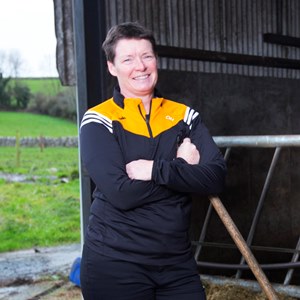
Olivia Hynes
Olivia is farming 70 ha in Co. Roscommon, operating a 49 suckler cow to weanling system and a 220 ewe flock. The sucklers are spring calving with 100% AI used and weanlings are generally sold in the autumn.
- Breeding season start: Olivia began breeding on 6th May, using a tightly managed suckler beef system focused on 100% AI breeding for genetic control and herd performance.
- After 4.5 weeks, conception performance was strong with 9/10 heifers and 34/46 cows bred, indicating a high submission and heat detection rate.
- Heat detection is supported by two vasectomised bulls fitted with chin ball harnesses, while heifers were synchronised to improve breeding efficiency and reduce labour demand.
- All breeding decisions are driven by priority traits in a weanling system: low calving difficulty, maternal strength, shape, and coat colour (red and brown).
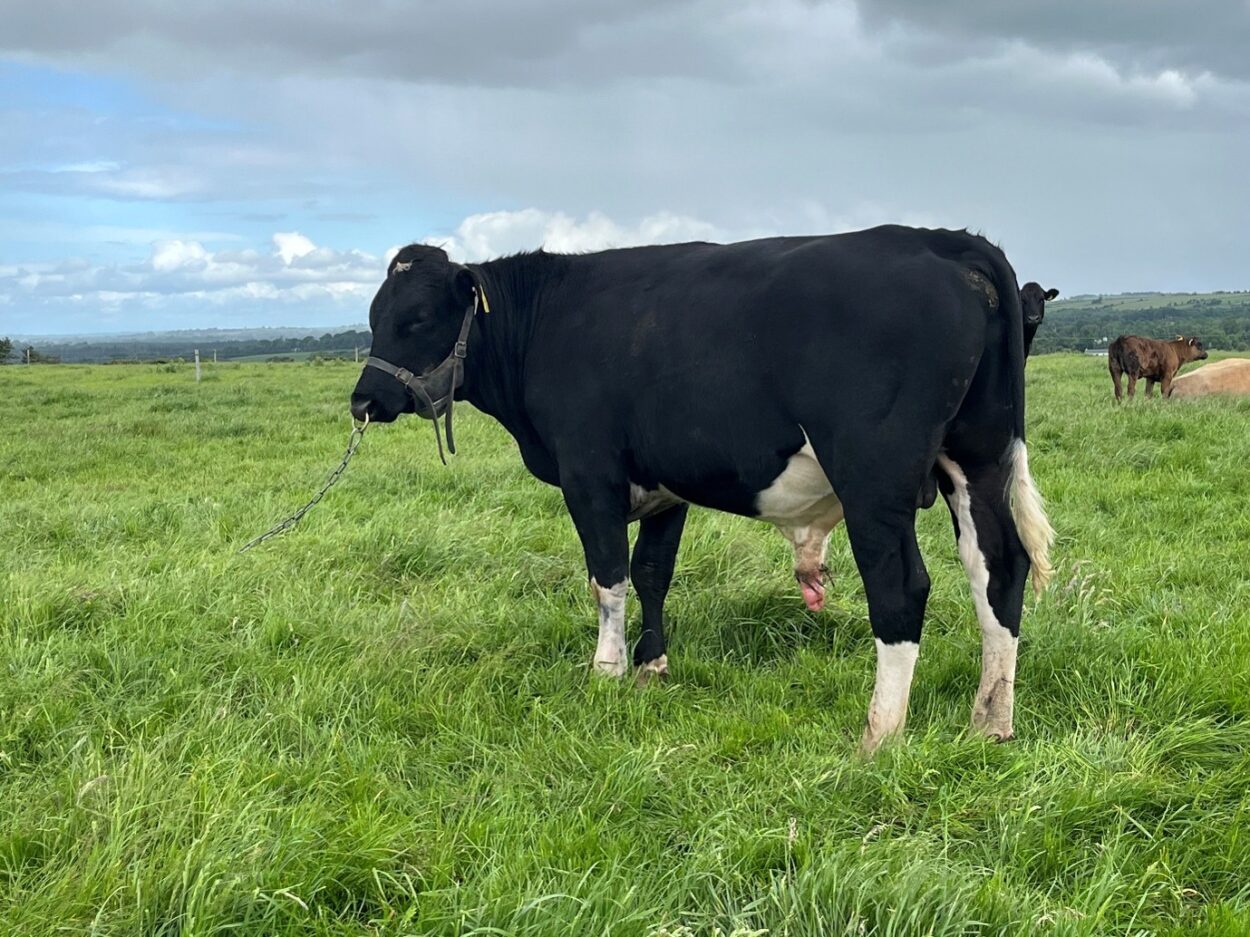
One of the vasectomised bulls being used on the farm
Key AI sires used in the herd
- AA1716 Dalriada Red Electrode Z713: Red Angus sire used on heifers for low calving difficulty and replacement females.
- BB7383 Top Side Out There: Used on mature cows for shapey, saleable weanlings with strong carcass traits.
- CH6490 Orbi: Selected for higher carcass weight and conformation in finishing progeny.
- LM2644 Tomschoice Oriflamme: Used on second-calvers with excellent calving ease and strong carcass output.
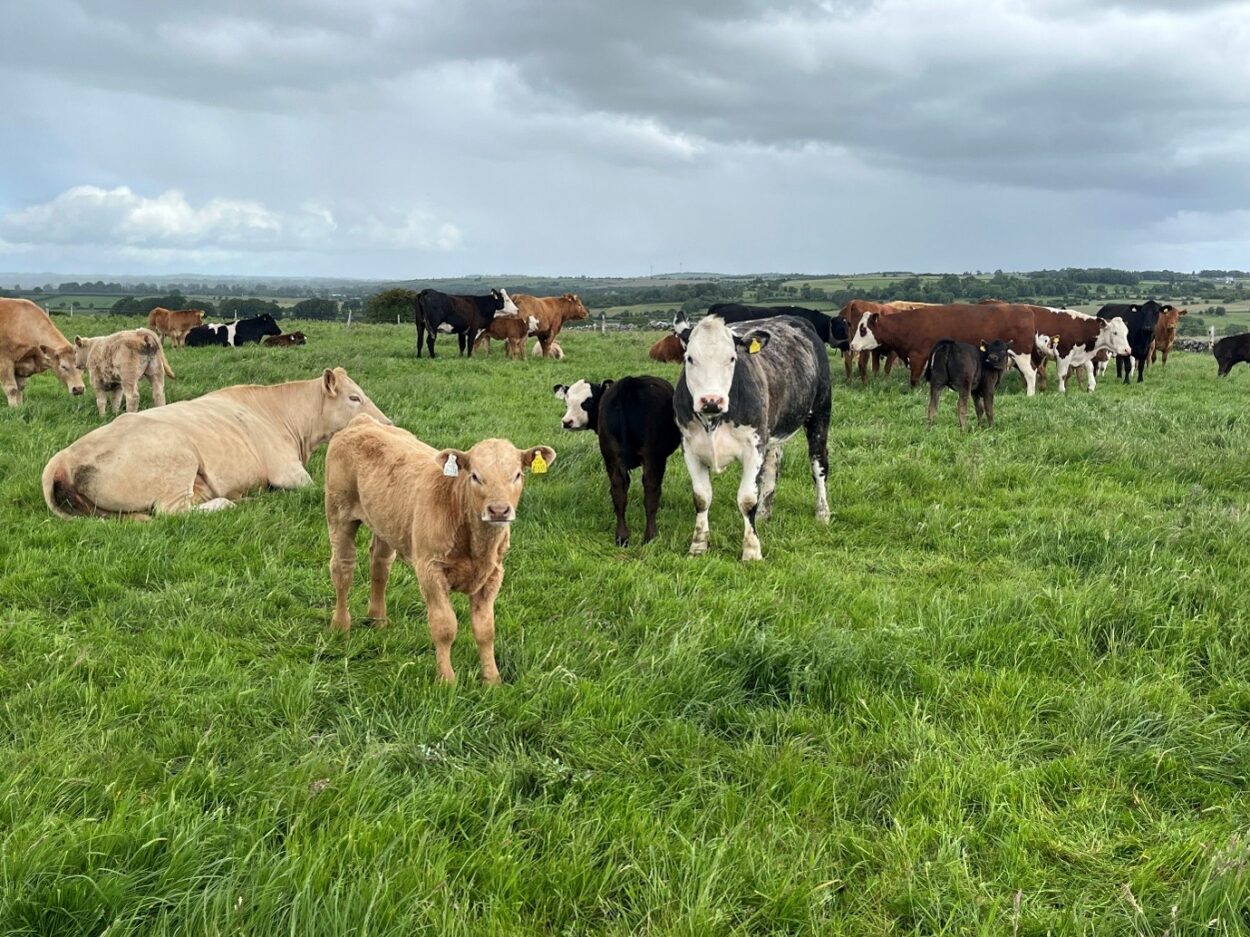
Some of the 2026 born calves with their cows
Calving performance highlights (2026)
- Calving period ran from 1st February to 12th May (14 weeks) with 49 calves born from 34 cows and 15 heifers.
- Calving interval: 357 days (better than target 365 days and below national average of 400 days).
- Mortality: 4.1% to 28 days (within target <5%).
- Calves per cow per year: 0.98 (above target and national average).
- Heifer performance: 100% of homebred heifers calved at 22–26 months, significantly outperforming the national average (19%).
- 6-week calving rate: 55% (close to national average 56%).
- Culling rate: 24% since 2025, driven by age, fertility, milk, and docility traits.
Watch the video below where Olivia gives us an update on the farm and outlines what attendees will get to see at her upcoming farm walk on 29th July.
Click here to read more.
Farm Update: Newford’s New Cattle Handling Facility Boosts Labour Efficiency and Safety
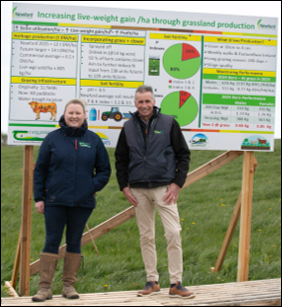
Catherine Egan (Beef Specialist) & Michael Fagan (Farm Technician) at the 2026 Open Day at Newford
The Newford Herd is a joint beef demonstration project operated by Teagasc and Dawn Meats, supported by McDonalds. They farm 75ha in Scrine, Co, Roscommon in a suckler to beef operation of 90 cows, where all progeny are finished at 20-22 months.
Since relocating to Athleague in late 2023, Newford Farm identified the need for a modern cattle handling facility that could be operated safely and efficiently by one person. With labour availability becoming a growing challenge on Irish beef farms, investing in improved handling infrastructure was a key priority.
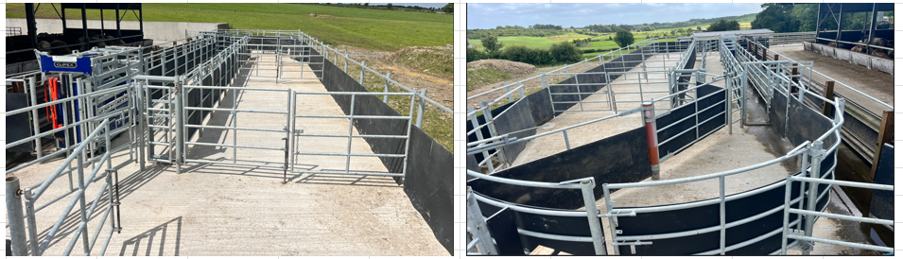
The new handling unit at Newford
Key Features of the New Facility
- Five holding pens of varying sizes to accommodate different groups of cattle.
- Three separate access points to improve stock flow and reduce handling stress.
- Forcing pen and main animal race designed for smooth movement of animals through the system.
- Capacity to comfortably handle up to 45 cows and calves at one time.
- Flexible layout allows for easy grouping, drafting and segregation of stock.
Dedicated Calf Handling Area
A standout feature of the unit is the 600mm-wide calf chute, which allows for:
- Safe and efficient calf handling.
- Easier weighing and performance monitoring.
- Quick and stress-free vaccination procedures.
- Improved animal welfare and operator safety.
New Crush Enhances Animal Control
The facility also includes a manual single-squeeze cattle crush featuring:
- A guillotine gate for secure animal positioning.
- A manually operated head-locking gate that can be controlled from the front or rear.
- A fitted head scoop to make dosing and veterinary treatments easier.
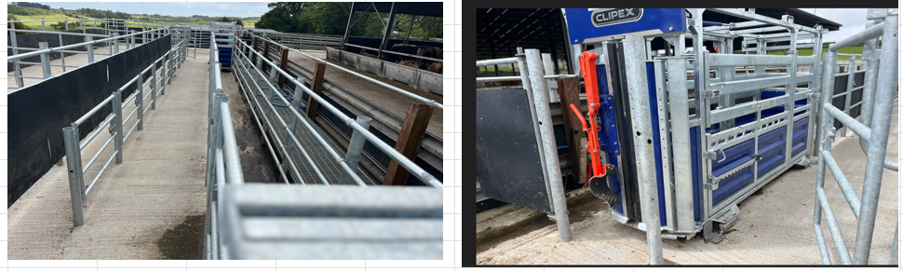
The crush and single-squeeze unit at the top
Breeding is underway, the suckler calves were weighed and members of the Women in Agriculture group visited the farm recently. Click here to read more.
The Beef Edge Podcast
The Beef Edge is Teagasc’s weekly podcast covering news, information, tips and advice for beef farmers. It is available on iphone, Android and Spotify. Scan the QR code below or visit the Teagasc Beef Edge podcast.
Teagasc Research Technologist Edwin Carroll & Future Beef Programme Manager Martina Harrington join this week’s Beef Edge podcast to discuss the suckler beef research taking place in Teagasc Grange. Listen & Follow on Apple/Spotify here.