September 2026 Future Beef Newsletter
Sign up to receive the Teagasc Future Beef Newsletter
Technical Updates: Castrating Suckler Calves: Best Practice | Autumn Grazing: Set Your Farm Up for Spring
Farm Updates: Preparing Calves for Weaning on Aonghusa Fahy’s Farm | Autumn Calving and Grassland Management: Setting Up for Winter on the Kingston Family Farm
Top Tips | Upcoming Events | The Beef Edge Podcast
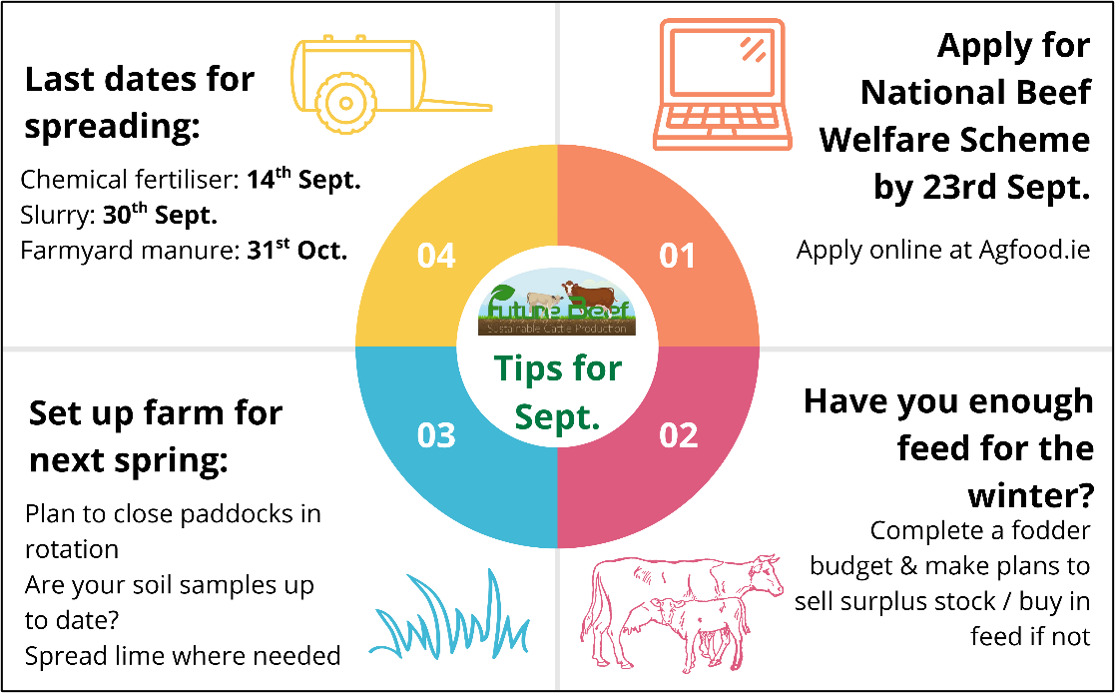
Top Tips for September
Upcoming Events
- Fri 11th September at 5pm: Farm walk on James Skehan’s farm, Ballynevin, Bridgetown, Killaloe, Co. Clare

- Weds 9th September at 8pm: Future Beef Weaning Webinar on Zoom. Further details to follow.
Technical Update: Castrating Suckler Calves: Best Practice
Castration is an important management practice in suckler beef herds, but it must be carried out correctly to protect calf welfare, minimise stress and reduce complications. The three main methods are rubber rings, Burdizzo and surgical castration.
1. Castrate calves at the appropriate age. Teagasc research shows that, when using a Burdizzo, earlier castration is preferable for animal welfare. Calves castrated at 5 months showed a greater stress response and more swelling than those castrated at 2.5 months.
2. Know the legal requirements. Rubber-ring castration without anaesthesia is permitted in calves under eight days old. After this, local anaesthesia from a veterinary practitioner is required. Cattle over six months must be castrated by a vet using local anaesthetic.
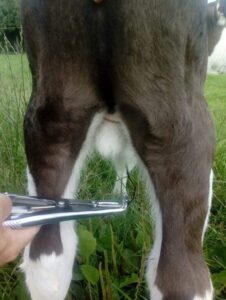
Rubber ring castration up to 8 days of age reduces labour on Future Beef farms
3. Prepare properly. Calves should be healthy, calmly handled and securely restrained. Ensure equipment is clean and, when using a Burdizzo, that the jaws are correctly aligned.
4. Check both testicles have descended and never castrate where an inguinal hernia is suspected. Seek veterinary advice if there is unusual swelling.
5. Pain relief and tetanus protection are important. Discuss an appropriate non-steroidal anti-inflammatory drug (NSAID) pain-relief and vaccination programme with your vet.
6. Monitor calves after castration for swelling, bleeding, infection or abnormal behaviour, and check again after approximately four weeks.
You can read more here.
Technical Update: Autumn Grazing: Set Your Farm Up for Spring
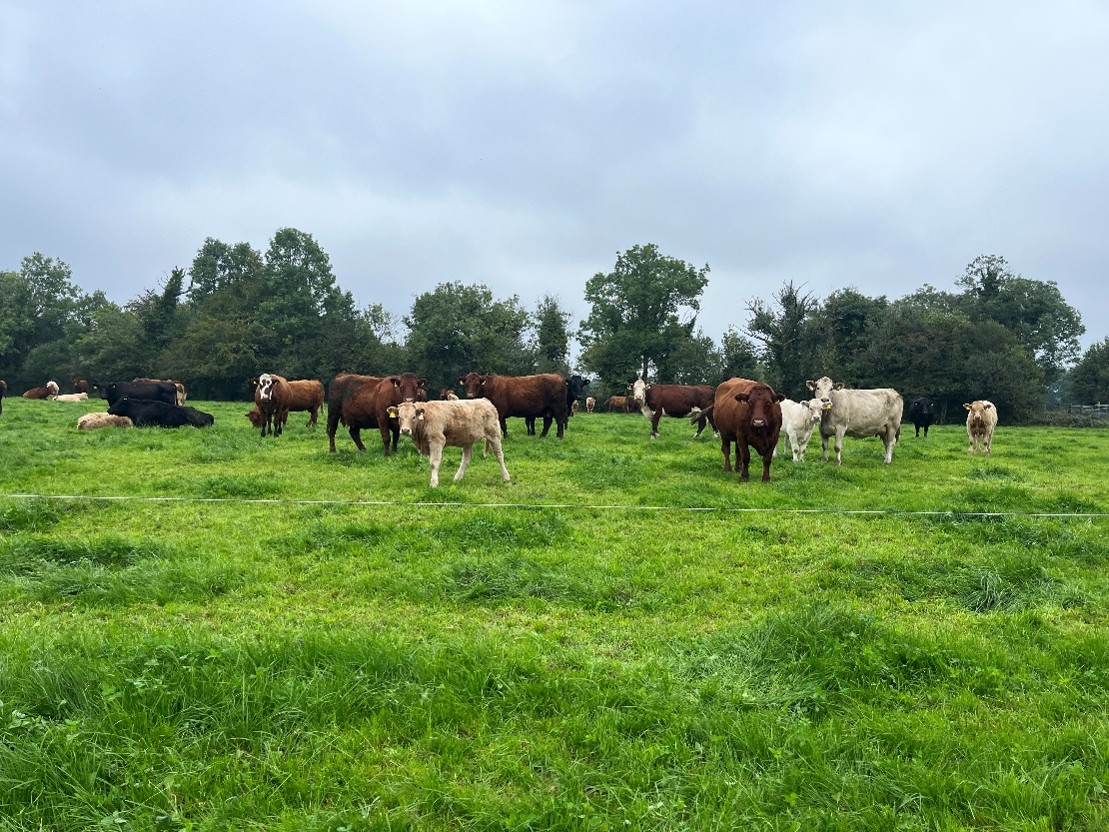
Paddocks now have just 2–3 grazing rotations remaining before being closed for spring grass
- Autumn grassland management sets up the farm for spring. The aim of the Autumn Rotation Planner is to close paddocks in a planned way so they build grass over winter and provide valuable grazing from February onwards.
- The key target is 60% of the farm closed by early November. The remaining 40% can be grazed later in November and into winter, depending on ground conditions.
- Heavy and dry farms require different approaches. On heavier soils, closing should begin earlier (late Sept to early October), with a target of around 80% closed by early November. Drier farms can generally begin closing around two weeks later.
- Choose paddocks based on the spring grazing plan. Paddocks closed in late October will provide earlier spring grazing, while those closed earlier will carry heavier covers and provide bulk later in spring.
- Avoid grazing excessively heavy covers. Medium covers of around 800–1,200kg DM/ha are suitable for achieving good clean-outs and reducing trampling.
- Monitor progress against the planner. If you are behind target, increase grazing pressure and prioritise lighter covers. If ahead, reduce demand or house some stock.
- Planning autumn grazing can reduce costs. Earlier spring turnout can improve animal performance, reduce housing and slurry costs, and allow suckler cows and calves to get out to grass earlier.
You can make a plan for your farm using the template here.
Preparing Calves for Weaning on Aonghusa Fahy’s Farm
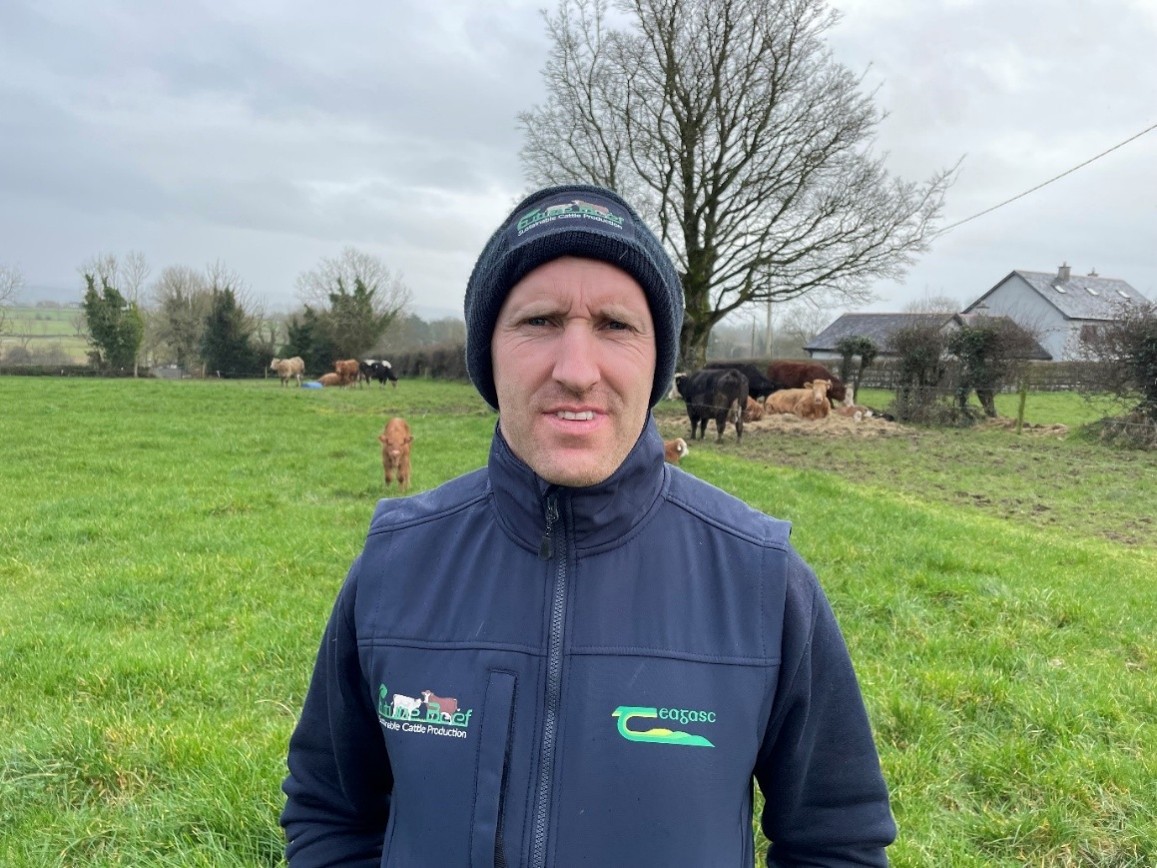
Aonghusa Fahy in farming in Ardrahan, Co. Galway
Aonghusa Fahy is farming 22ha in Ardrahan, Co. Galway and a further 26ha in Tulla, co. Clare. He operates a 30 cow spring calving herd, with progeny finished from the farm under 30 months of age. He also buys in some yearling cattle for grazing on the out farm.
On Aonghusa’s farm good preparation starts well before weaning day. The first calves weaned are those from the cull cows. The male calves were castrated with rings shortly after birth, meaning they are not undergoing another stressful procedure at weaning.
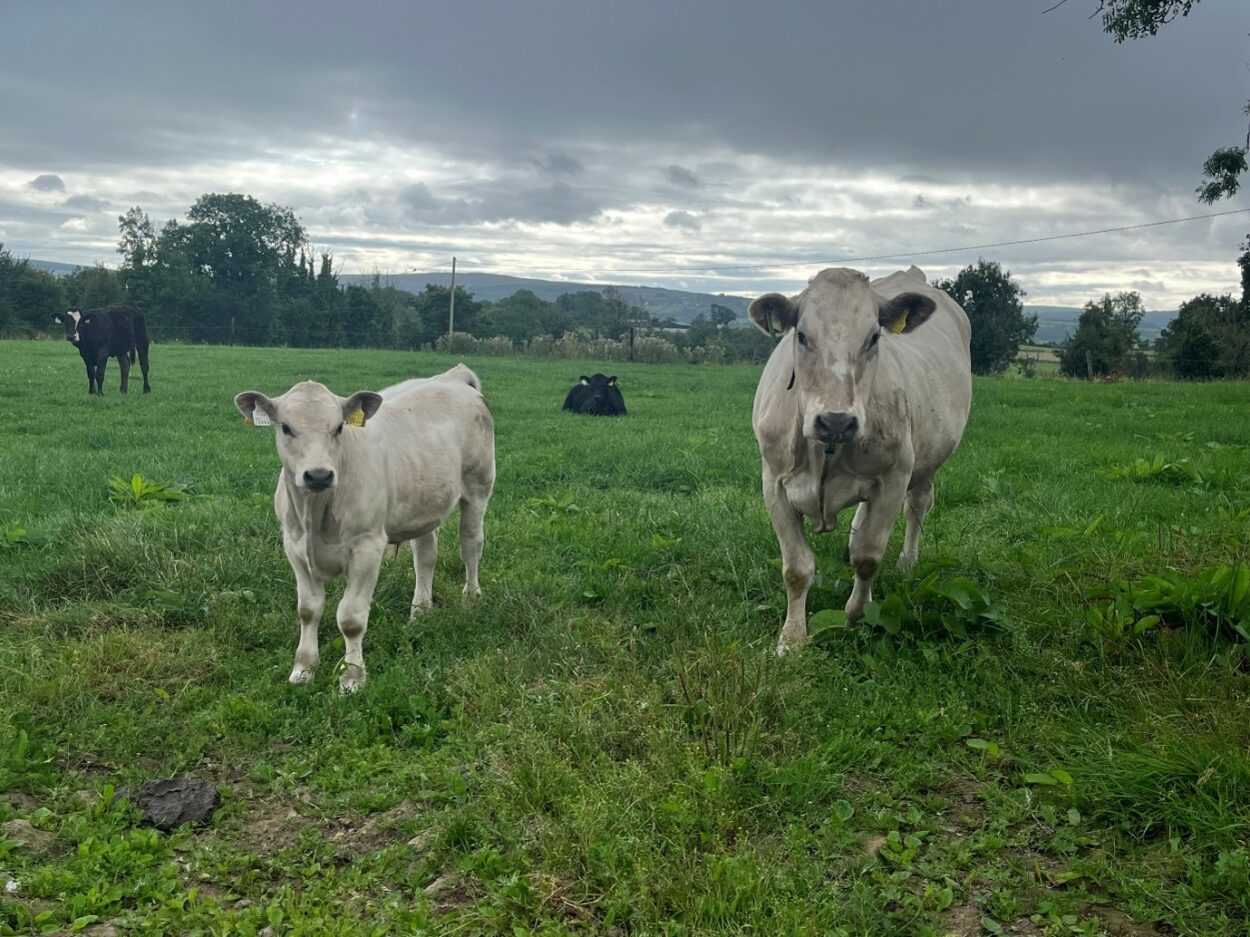
One of the cull cows with her calf pre-weaning
- Calves have been creep grazing ahead of the cows for most of the year. This gives them access to the best quality grass, reduces parasite burdens and helps to break the cow-calf bond.
- Vaccination is central to the weaning plan. Before the main group of suckler calves are weaned, they receive an IBR vaccine as part of a one-shot programme. They will also receive a two-shot vaccination programme against RSV, Pi3 and Mannheimia, with four weeks between vaccinations. This will help provide protection against respiratory disease during housing.
- Good ventilation is another key part of calf health. The calves will be housed in a newer shed with better ventilation than the older slatted shed, helping to reduce the risk of respiratory disease over winter.
- Parasite control is based on monitoring rather than routine treatment. FEC samples showed no evidence of stomach worms, lungworm, rumen fluke or liver fluke. A low coccidia burden was detected but was not considered significant. Calves will continue to be monitored, particularly for signs of a developing lungworm burden.
- Nose paddles were used for seven days to prevent suckling and help break the cow-calf bond before separation. Calves had also been introduced to 1kg of ration per head per day for four weeks pre-weaning, helping them adjust to the diet before housing.
- Following weaning, calves will receive 1–2kg of ration per head per day. They will then be returned to the main herd, where the cows are also being supplemented at grass for finishing.
You can click here to read more about Aonghusa’s farm and his scanning results here.
You can watch a video update from Aonghusa as he discusses his weaning plans here:
Farm Update: Autumn Calving and Grassland Management: Setting Up for Winter on the Kingston Family Farm
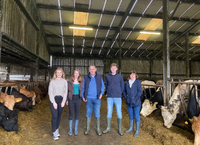
Chloe, Aisling, William (RIP), Mark and Diana Kingston
Mark and Diana Kingston are farming 28ha in Drimoleague, Co. Cork. They operate a pre-dominantly autumn calving herd of 28 cows with 7 spring calving cows but are in the process of changing that system. They were finishing bulls under 16 months of age and heifers under 20 months of age, but are now moving a way from the bull beef system to sell them as weanlings.
- The farm is transitioning to a 100% autumn-calving suckler system, with 30% of the herd calved to date. The target is to have 60% calved by early September, with the remainder calving by late October. Cows are calving outdoors, with a mobile calving camera allowing close monitoring while keeping cows and calves at grass.
- Grass tetany prevention is a priority during autumn calving. Paddocks are dusted daily with Cal Mag, while cows also have access to mineral buckets. Maintaining adequate magnesium intake is particularly important for freshly calved cows at grass.
- Reseeding is progressing well, with 11 acres targeted this year. Five acres sown four weeks ago has established well despite dry conditions and will receive ½ bag of protected urea per acre, followed by post-emergence weed control. A further six acres will be ploughed, levelled and sown in early September.
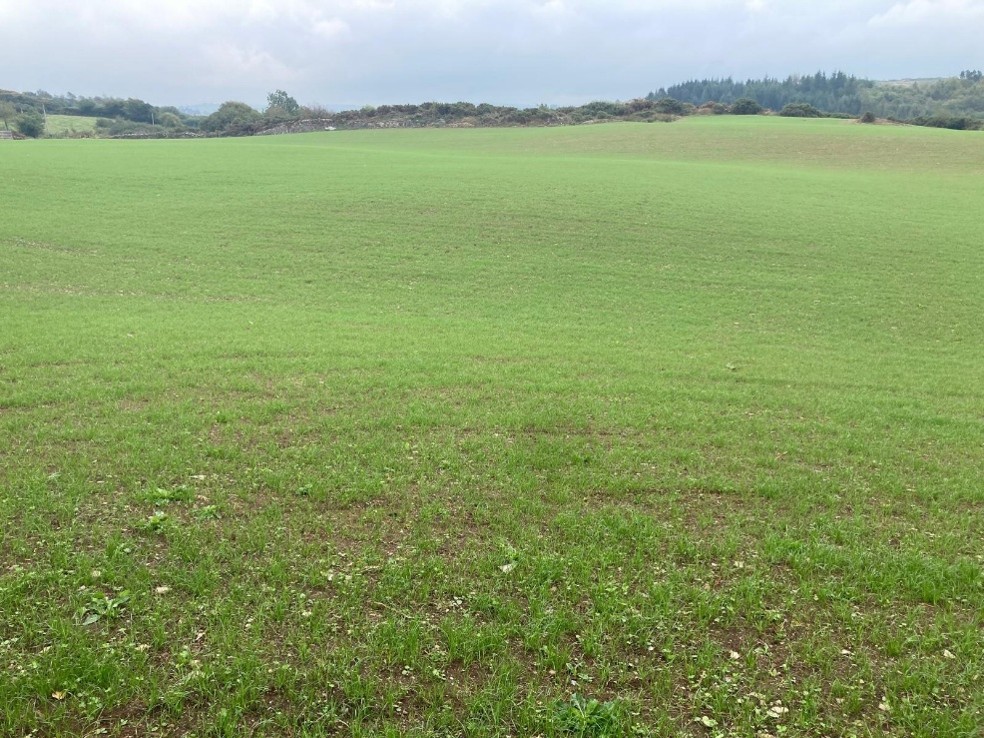
One of the reseeded fields
- Grass availability is currently good, with the newly reseeded ground due to return to the grazing rotation shortly. Additional water troughs have improved grazing infrastructure, allowing more controlled three-day grazing allocations.
- A final application of ½ bag of protected urea per acre is planned before the mid-September closing date.
- Winter fodder reserves are on target, with the option to sell cull cows early in winter to reduce feed demand.
Good autumn grass growth, careful autumn calving management, reseeding and grazing infrastructure are helping build grass supplies, maintain cow condition and prepare the herd for winter and the November breeding season.
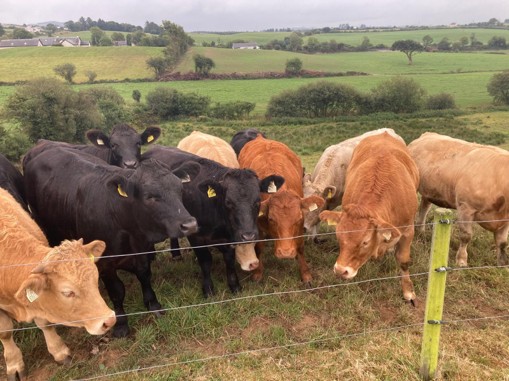
Breeding and finishing heifers at grass
You can read more about Mark and Diana’s latest farm update here.
The Beef Edge Podcast
The Beef Edge is Teagasc’s weekly podcast covering news, information, tips and advice for beef farmers. It is available on iphone, Android and Spotify. Scan the QR code below or visit the Teagasc Beef Edge podcast.